South Africa is currently confronting one of the most severe outbreaks of Foot-and-Mouth Disease (FMD) in its recent history. The escalating crisis is significantly impacting the agricultural sector, particularly livestock farming, by disrupting exports, diminishing beef and dairy production, and instilling widespread concern among farmers. The slow pace of the government's vaccination program is a critical factor exacerbating the situation, leaving valuable herds vulnerable and hindering effective containment strategies.
The economic ramifications of this FMD outbreak extend beyond national borders, affecting South Africa's international trade relationships and its reputation as a reliable supplier of animal products. The disease, which primarily affects cloven-hoofed animals, is highly contagious and can cause significant economic losses through reduced productivity and trade restrictions. As the outbreak persists, the resilience of the nation's agricultural infrastructure and the efficacy of its public health response mechanisms are being severely tested.
Foot-and-Mouth Disease: An Ongoing Agricultural Threat
Foot-and-Mouth Disease is a viral illness that poses a substantial threat to livestock populations globally. Characterized by fever and the development of painful sores in the mouth and on the feet, FMD can lead to lameness, reduced milk yield, and failure to gain weight in affected animals. While not typically fatal in adult cattle, sheep, and pigs, it can be devastating for young animals and has profound economic consequences due to its rapid spread and the stringent trade limitations imposed by affected countries. The virus is shed in high concentrations in saliva, feces, and milk, facilitating its transmission through direct contact, contaminated feed, water, equipment, and even by infected humans.
 The epidemiological dynamics of FMD in South Africa are complex, often linked to wildlife reservoirs, particularly in the Kruger National Park region where buffalo, a natural host, carry the virus. From these wildlife populations, the disease can spill over into domestic livestock, creating persistent cycles of infection. The challenge for veterinary authorities lies in managing this interface between wild and domestic animals, implementing biosecurity measures, and ensuring adequate surveillance to detect outbreaks early. The current large-scale outbreak underscores the difficulties in controlling FMD when containment measures are outpaced by the virus's transmissibility.
Challenges in Vaccination and Disease Control
The primary strategy for controlling FMD outbreaks typically involves a combination of movement restrictions, culling of infected and exposed animals, and vaccination. However, the current situation in South Africa highlights significant challenges with the vaccination component. The effectiveness of FMD vaccines relies on timely administration, proper cold chain management, and the availability of sufficient vaccine strains that match circulating field strains. Reports indicate that the government's vaccine rollout has been slow, hampered by logistical issues, funding constraints, and perhaps bureaucratic inefficiencies.
This delay in vaccination leaves farmers in a precarious position. They face the immense pressure of protecting their livelihoods while dealing with uncertainty regarding the availability and efficacy of the vaccine. Furthermore, the implementation of vaccination campaigns requires careful planning and coordination with the veterinary services and the farming community. Without a robust and rapid vaccination program, the window of opportunity to prevent widespread transmission narrows considerably, leading to prolonged periods of heightened biosecurity measures and trade bans, which further strain the agricultural economy.
Economic and Export Repercussions
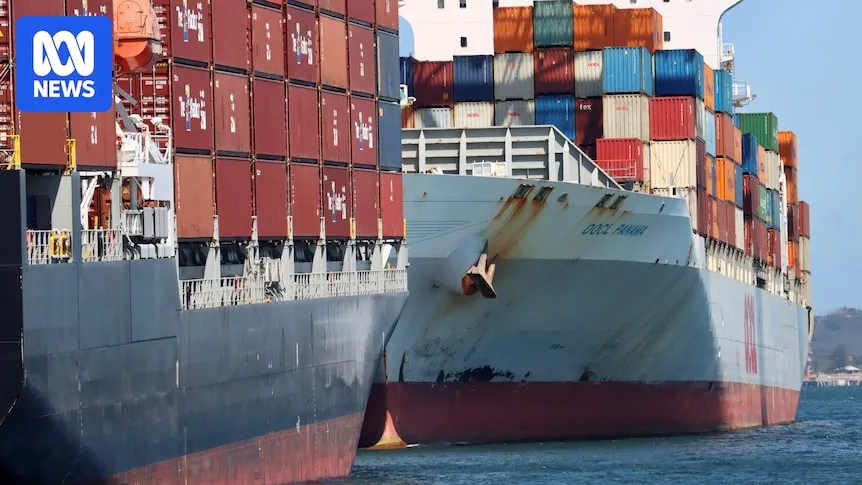
The impact of the FMD outbreak on South Africa's agricultural exports has been immediate and severe. Countries importing South African beef, lamb, and dairy products impose strict import bans or restrictions when FMD is detected. These bans can remain in place for extended periods, even after an outbreak is controlled, to ensure that disease-free status is re-established. This disruption to export markets results in significant financial losses for producers and exporters, potentially affecting foreign exchange earnings for the country.
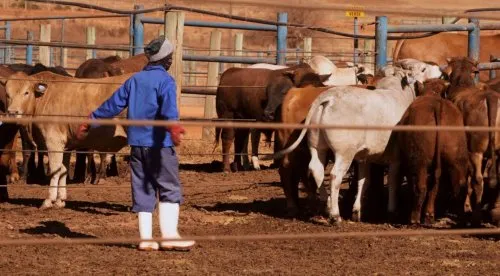
 The domestic market also suffers. Reduced supply due to sick animals and production losses, coupled with increased costs for disease control measures, can lead to higher prices for consumers. Farmers may be forced to sell off animals at reduced prices due to movement restrictions or fear of infection, leading to a decrease in the national herd size. The long-term viability of the livestock sector is jeopardized if outbreaks are frequent or prolonged, leading to a decline in investment and potentially a contraction of the industry.
The Role of Government and Stakeholder Collaboration
Addressing a large-scale FMD outbreak requires a coordinated and multi-faceted approach involving government agencies, veterinary services, researchers, and the agricultural industry. Clear communication, efficient resource allocation, and decisive action are paramount. The current situation underscores the need for a proactive strategy that includes robust disease surveillance, adequate funding for veterinary services, a well-prepared vaccination stockpile, and rapid deployment capabilities.
Effective collaboration between the Department of Agriculture, Land Reform and Rural Development, provincial veterinary services, research institutions, and farmer organizations is crucial. Farmers must adhere to strict biosecurity protocols, report suspected cases immediately, and cooperate with control measures. International partnerships can also play a role in providing technical assistance, vaccine support, and facilitating the resumption of trade once the disease is controlled. The challenge for South Africa is to strengthen its veterinary public health infrastructure to better anticipate and respond to such crises in the future.
Impact Analysis
The prolonged and intensifying Foot-and-Mouth Disease outbreak in South Africa represents a significant setback for the nation's agricultural sector and its export capabilities. The slow vaccine rollout directly translates into prolonged trade disruptions and economic hardship for farmers. This crisis highlights systemic weaknesses in disease preparedness and response, potentially impacting investor confidence in the agricultural sector. Rebuilding trust in South Africa's animal health status will require not only effective disease containment but also a demonstrable commitment to strengthening veterinary infrastructure and implementing rapid, well-resourced vaccination strategies for future outbreaks.