Farmers in Victoria's Gippsland region are voicing strong opposition to proposed Battery Energy Storage Systems (BESS) slated for development on valuable agricultural land. Several large-scale BESS projects are under consideration by the Victorian Planning Minister, including proposals from Samsung C&T Renewable Energy Australia (SREA), ZEBRE, and ib vogt. These projects aim to bolster the state's electricity grid capacity as aging coal-fired power stations, such as those in the Latrobe Valley, approach retirement. The BESS facilities are designed to store energy generated from renewable sources and release it during peak demand periods, a critical function for grid stability in an evolving energy landscape. However, the proposed siting on prime farmland has ignited significant local concern.
Residents and local authorities are raising alarms about the potential impact of these industrial facilities on the region's agricultural economy and rural amenity. Concerns range from the loss of productive farmland to potential risks associated with fire, noise pollution, visual disruption, and broader environmental impacts. While the developers highlight the necessity of such storage solutions for energy transition and assert that safety measures are incorporated into their designs, the local community and Baw Baw Shire Council are advocating for alternative locations that do not compromise agricultural land. The situation underscores a growing tension between renewable energy infrastructure development and the preservation of established rural economies.
Conflicts Over Farmland Siting for BESS Projects
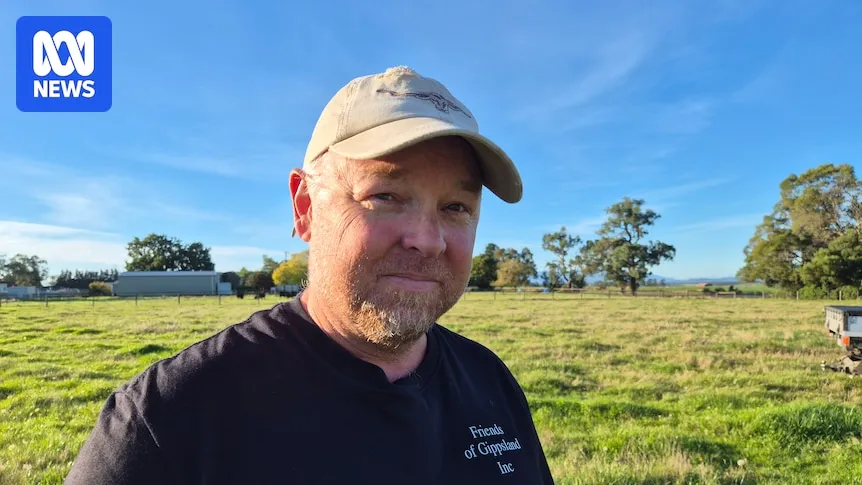
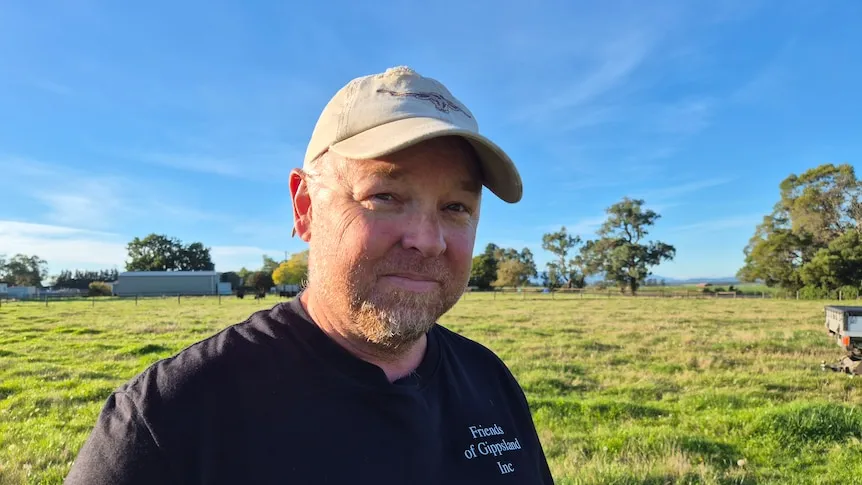
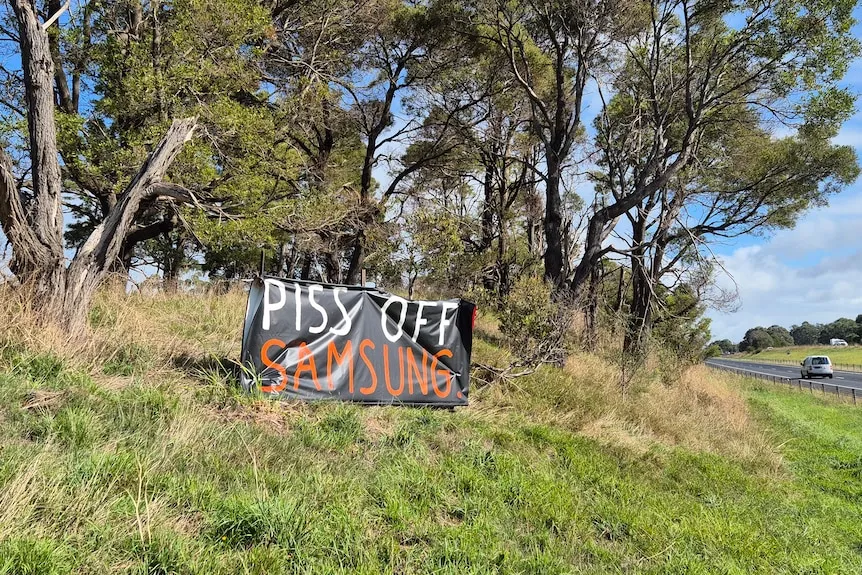
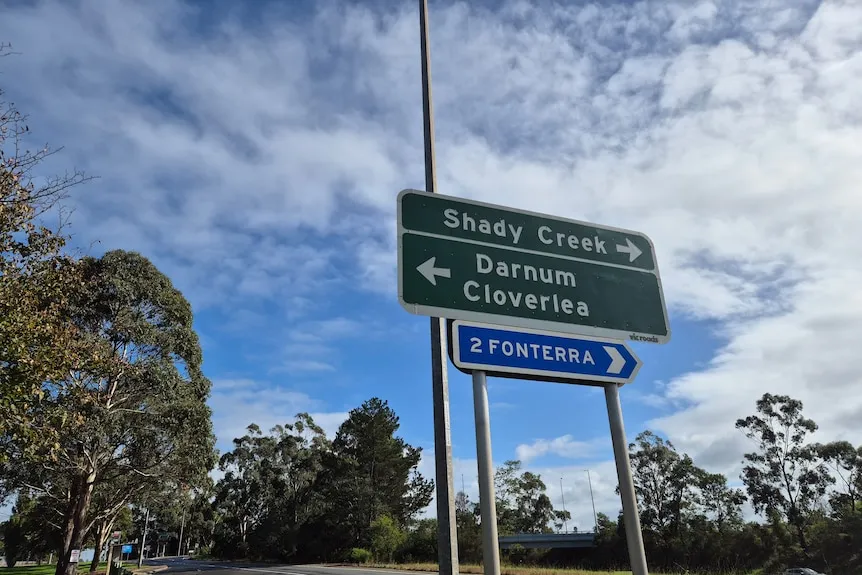
James Faithful, a cattle farmer in Darnum, west Gippsland, has been a vocal critic of the proposed BESS developments. He expresses dismay at the prospect of industrial facilities being placed on land he considers vital for agriculture. His concerns, shared by many in the community, revolve around the direct loss of farmland that could be used for food production. The scale of the proposed projects, such as Samsung's 200-megawatt facility at Shady Creek and ZEBRE's 210-megawatt system at Yarragon North, signifies a substantial land footprint that farmers argue could be better utilized for agriculture or located in less sensitive areas.
The farmers' opposition is amplified by the Baw Baw Shire Council, which has officially declared its opposition to the current BESS proposals. The council has formally requested the Victorian government to collaborate on identifying suitable locations for these storage systems that do not impinge on agricultural land. Mayor Kate Wilson emphasized the council's support for renewable energy but stressed the need for development to be balanced with the protection of agricultural resources, community safety, and environmental integrity. This coordinated stance by local government and affected landowners highlights a significant challenge in balancing energy infrastructure needs with the protection of agricultural heritage and economic viability.
Industrial Footprint on Agricultural Land
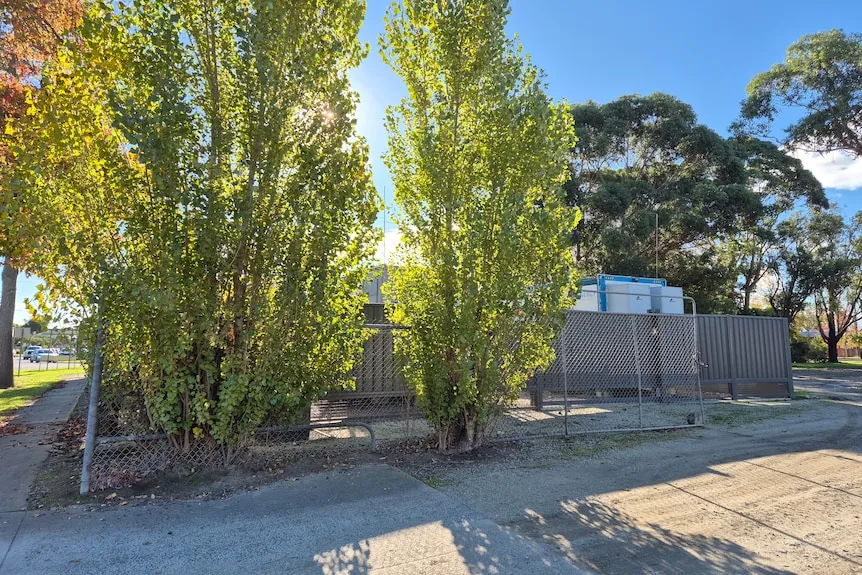
Samsung C&T Renewable Energy Australia (SREA) has submitted a proposal for a 200-megawatt (MW) capacity BESS with 800 megawatt-hour (MWh) of storage at Shady Creek. Simultaneously, ZEBRE, a Taiwanese energy company, seeks approval for a 210 MW BESS on grazing land near Yarragon North, which they claim could power approximately 66,000 homes. A third proposal comes from German company ib vogt, which has applied to develop an 18-hectare site in Trafalgar East for a 360 MW BESS. These projects are positioned as crucial for filling the energy supply gap anticipated after the decommissioning of Victoria's coal-fired power plants.
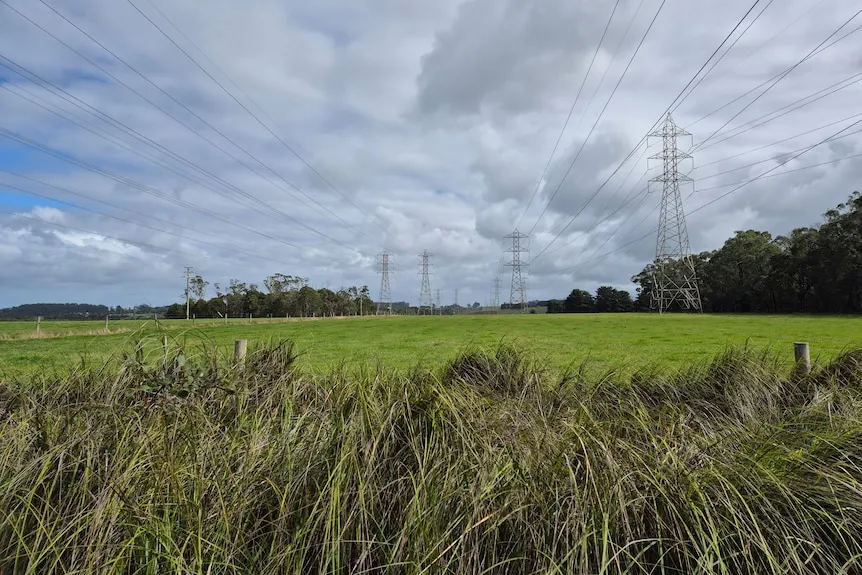
The core function of these BESS facilities is not electricity generation but energy storage. They are intended to absorb excess electricity from the grid, particularly from renewable sources, and then discharge it rapidly during periods of high demand, thereby stabilizing the national electricity grid. The proposed infrastructure relies on connection to existing high-voltage transmission lines, with developers arguing that the chosen sites offer strategic advantages due to this connectivity. However, the placement of these large-scale energy storage units directly onto land traditionally used for farming is the central point of contention for local agricultural communities.
Community Concerns and Fire Safety Protocols
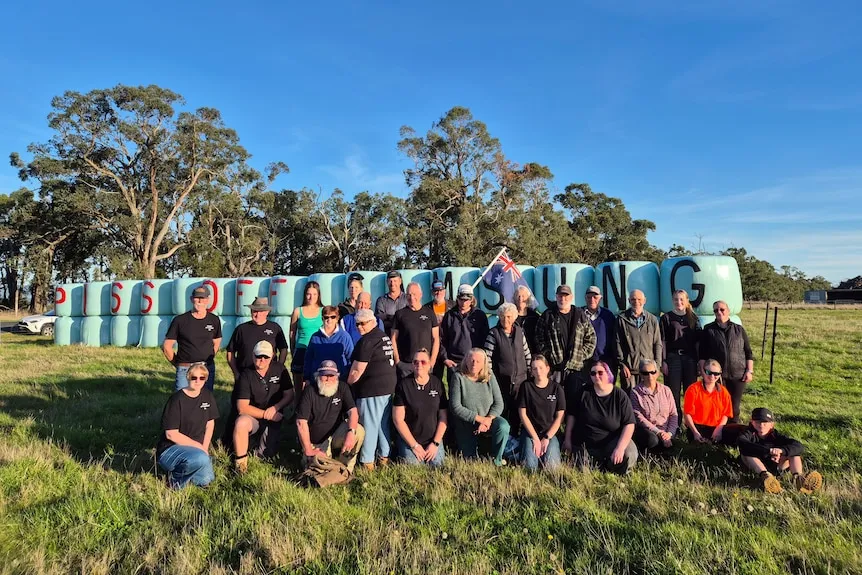
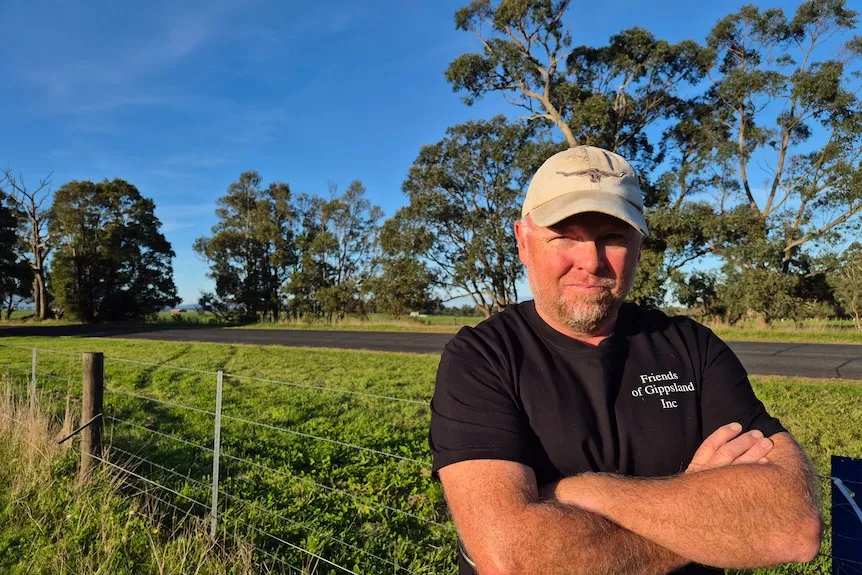
Local community groups, such as Friends of Gippsland, have organized significant opposition, gathering thousands of signatures on petitions. Their concerns extend beyond the loss of agricultural land to encompass critical issues like fire risk, noise pollution, visual impact on the landscape, and the overall environmental footprint of such industrial installations. The proximity of these facilities to residential areas and productive farmland raises anxieties about potential safety hazards and their impact on the quality of life for residents.
In response to these safety concerns, ZEBRE has detailed the safety features of its proposed Yarragon North BESS, emphasizing the use of robust lithium iron phosphate technology and advanced detection systems for heat, smoke, and flammable gases. The company asserts that its systems are designed to control potential BESS fires effectively and have been tested for suitability. The Victorian Country Fire Authority (CFA) has developed specific guidelines for renewable energy facilities, acknowledging the importance of managing fire risks associated with these installations. The CFA's Specialist Risk and Fire Safety Unit actively collaborates with regulators and industry to ensure fire safety is integrated into the design and operation phases of such projects, making it a key consideration for affected communities.
Council's Stance on Renewable Energy Siting
Baw Baw Shire Council's opposition reflects a broader sentiment among agricultural communities facing similar development proposals. The council acknowledges the vital role of Battery Energy Storage Systems in Victoria's energy transition but insists that the current approach to site selection requires critical reassessment. They advocate for a more integrated planning process that explicitly considers the impact on agricultural land, ensures robust community safety measures, and establishes clear environmental protections.
The council's official statement indicates a desire for future policy settings and project approvals to incorporate these considerations more effectively. By seeking to work with the state government, Baw Baw Shire Council aims to influence the development of a renewable energy strategy that supports the state's clean energy goals without compromising the agricultural sector, which is a cornerstone of the regional economy and identity. This position highlights the complex negotiations required to balance national energy objectives with local land use priorities and community well-being.
The Role of Batteries in Energy Transition
Andrew Bray, National Director of RE-Alliance, an advocate for regional renewables, underscores the indispensable nature of battery storage in the shift away from fossil fuels towards a sustainable energy future. He notes that for projects like these to proceed successfully, developers must engage in thorough consultation with local communities and present compelling justifications for their chosen sites. This perspective emphasizes the importance of community engagement and transparent communication in managing the social license for energy infrastructure projects.
Samsung, in its proposal for the Shady Creek BESS, has noted the site's strategic advantage due to its proximity to existing transmission infrastructure, even though it is not located within a designated renewable energy zone. The company highlights that the land is already cleared and flat, posing fewer ecological constraints and lacking significant waterways or culturally sensitive sites. Furthermore, Samsung has stated that it has collaborated with the CFA during the project's design phase to implement comprehensive fire safety measures. These include on-site hydrants, an adequate water supply, a 10-meter firebreak, and advanced fire detection systems with remote emergency shutdown capabilities, aimed at mitigating potential fire risks.
Impact Analysis
The escalating conflict between agricultural preservation and renewable energy infrastructure development in Gippsland highlights a critical challenge facing many rural regions worldwide. As nations accelerate their transition to cleaner energy sources, the demand for large-scale energy storage solutions like BESS is surging. The siting of these facilities presents a complex dilemma, pitting the urgent need for grid modernization and decarbonization against the protection of vital agricultural lands, local economies, and rural landscapes. The outcome of these disputes in Gippsland could set a precedent for future energy infrastructure projects, influencing policy development around land use, community consultation, and the equitable distribution of benefits and risks associated with the renewable energy transition.