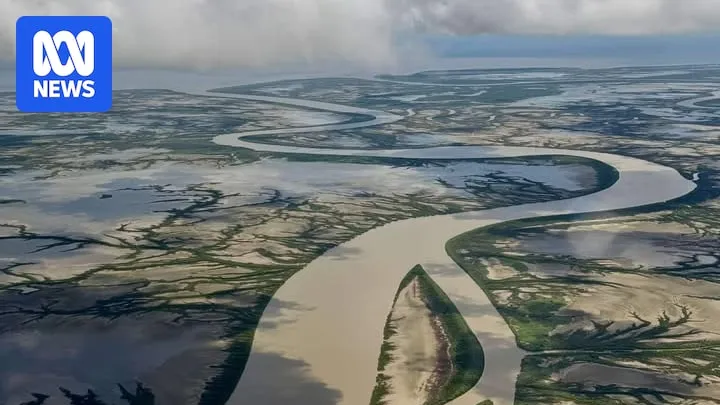
Residents in Australia's Gulf of Carpentaria region are grappling with an unusually prolonged and intense wet season, leading to significant isolation and mounting economic pressures. This annual challenge has been exacerbated this year by an earlier-than-usual start to the rainy season in December, pushing the duration of community isolation to over 10 weeks in some areas. The persistent rainfall has saturated roads, rendering them impassable and cutting off vital supply lines. This forces communities to rely on alternative, more costly methods like barges for essential goods, a situation not seen to this extent since the major flooding events of 2009.
The extended isolation is taking a significant toll on both the mental well-being of residents and the operational capacity of emergency services. Mayor Jack Bawden of the Carpentaria Shire described the situation as unprecedented in recent years, noting the immense strain on State Emergency Service personnel who are working tirelessly with limited breaks. With forecasts predicting continued rainfall from the Mount Isa region, the possibility of this isolation extending until Easter looms, adding further uncertainty for businesses and individuals already enduring prolonged disruption.
Extended Isolation and Supply Chain Disruptions
The primary impact of the prolonged wet season is the severe disruption to transportation networks. Key roads connecting towns such as Normanton and Karumba have been rendered unusable for weeks, effectively isolating these communities from the rest of the state. This prolonged cut-off necessitates the use of barges for ferrying essential supplies, a method that is both time-consuming and expensive. Local authorities are working to ensure that essential supplies do not run low, but the logistical challenges are substantial.
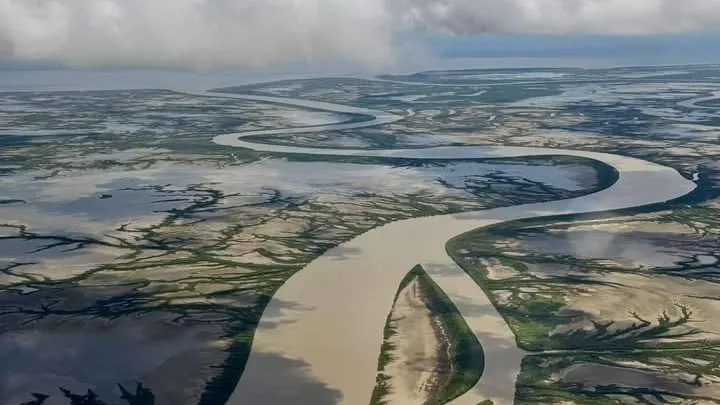
Mayor Bawden highlighted the unique severity of this season, comparing it to the 2009 disaster which saw the region isolated for approximately 16 weeks. The current situation, while perhaps not yet matching that historical duration, is creating significant hardship. The consistent wet weather not only prevents road access but also impacts the morale of residents who are accustomed to some level of disruption but are finding this year's extended period particularly challenging. The reliance on alternative transport methods underscores the vulnerability of these remote communities to extreme weather events.
Economic Ramifications for Local Businesses
The extended wet season is having a profound economic impact, particularly on businesses reliant on tourism and seasonal trade. Yvonne Tunney, a business owner from Karumba, found herself stranded in Atherton, nearly 700 kilometers away, unable to return to her establishment. She emphasized that the prolonged closure could mean losing up to six months of vital trade, a significant blow to recovery. The financial strain is compounded by the need to support seasonal staff who are unable to commence work or are waiting for businesses to reopen.

The inability to open businesses during peak periods, such as the upcoming Easter holiday, has significant financial consequences. Businesses face ongoing costs, including staff support, while revenue streams are completely halted. This situation puts immense pressure on small businesses, many of which operate on thin margins. The financial recovery from such an extended period of disruption is expected to be arduous, potentially impacting the long-term viability of some enterprises in the region.
Impact on the Agricultural Sector
The agricultural sector, particularly cattle grazing, is also facing severe challenges due to the persistent wet conditions. Grazier Ashley Gallagher, based near Normanton, described the land as saturated and boggy, offering little relief to livestock. The wet season typically allows cattle to put on weight, but the current conditions have forced them onto higher ground, where feed is scarce. This confinement not only impedes weight gain but also increases the risk of disease and stress among the herds.
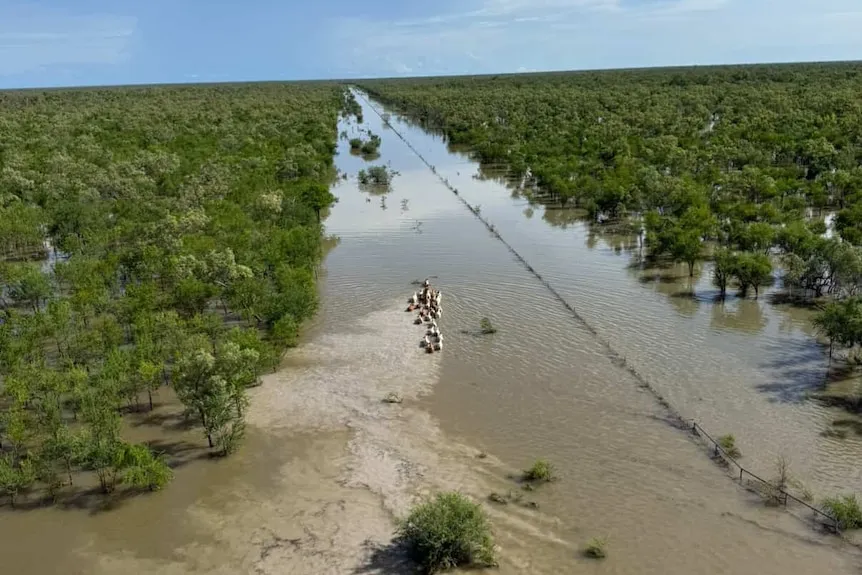
The inundation of grazing lands prevents cattle from accessing adequate food sources, a critical issue during a period when they should be building reserves. The prolonged wet conditions mean that the land remains saturated for extended periods, hindering natural recovery processes and limiting the availability of pasture. This environmental stress on livestock has direct economic consequences for graziers, impacting herd health and future market readiness. The resilience of the agricultural sector in the Gulf of Carpentaria is being severely tested by these extreme weather patterns.
Impact Analysis
The extended and record-breaking wet season in the Gulf of Carpentaria highlights the increasing vulnerability of remote Australian communities to the impacts of climate change and extreme weather events. The sustained isolation and supply chain disruptions underscore the need for enhanced infrastructure resilience and adaptive strategies. Economically, the prolonged impact on local businesses and the agricultural sector points to significant challenges in recovery and future planning. This event serves as a stark reminder of the interconnectedness of climate, infrastructure, economy, and community well-being in remote regions, necessitating proactive measures to mitigate risks associated with such recurring environmental challenges.