
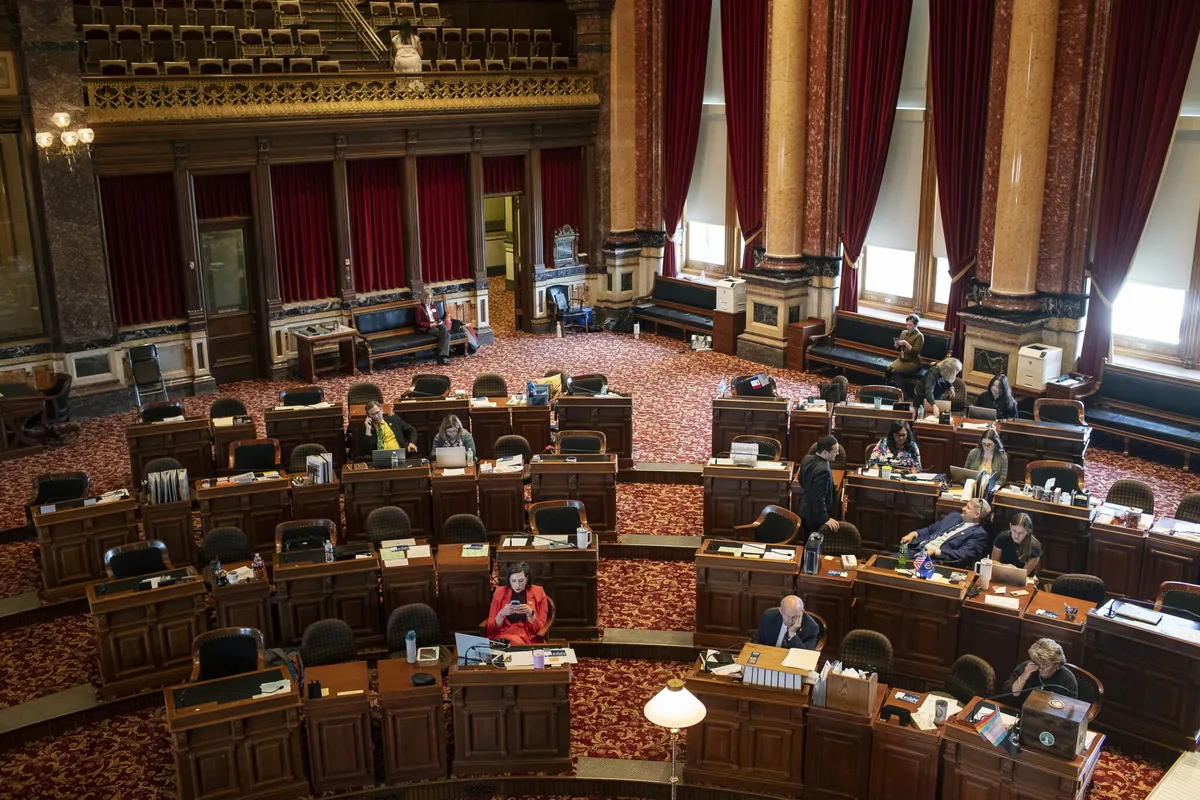
State Senator Catelin Drey's public announcement of her uterine cancer diagnosis, delivered just weeks into her first term, has brought a deeply personal struggle into the political spotlight. Her candid address to colleagues in the Iowa Senate underscored a growing concern: the state's alarming cancer rates. Drey's experience, while individual, resonates with a broader public health issue in Iowa, where experts increasingly point to a complex interplay of environmental factors and lifestyle risks contributing to a "toxic mix" that elevates cancer incidence.
Iowa faces a critical public health challenge, marked by the nation's fastest-rising cancer rate, contrasting with a national decline. The situation is particularly concerning for younger Iowans, who exhibit a higher and increasing rate of cancer under 50 compared to the U.S. average. Specific cancers, like uterine cancer, are also seeing an upward trend in Iowa, diverging from national stability, with certain counties exhibiting rates nearly double the national average. This confluence of factors has spurred investigations into potential environmental triggers, moving beyond anecdotal evidence to data-driven analysis.
Iowa's Escalating Cancer Crisis and Potential Environmental Links
The Scale of Iowa's Cancer Problem
Iowa's cancer statistics present a stark contrast to national trends. The state not only experiences the most rapid increase in new cancer cases nationwide but also sees a worrying rise in cancer diagnoses among individuals under 50. This demographic is especially concerning as it deviates significantly from the national average. The incidence of uterine cancer, for example, has become a particular focus, with rates climbing in Iowa while remaining stable across the United States. Data indicates that specific regions within Iowa, such as Iowa County, are experiencing uterine cancer rates that are nearly double the national average, highlighting a localized and intensified public health issue.
 The alarming figures prompt a closer examination of potential causes. While cancer development is often multifactorial, involving genetics and lifestyle choices, the persistent elevation and rapid growth of cancer rates in Iowa suggest that environmental exposures may play a significant role. The state's unique agricultural landscape and geological makeup are increasingly scrutinized as potential contributors to this health crisis.
Investigating Environmental Contributors
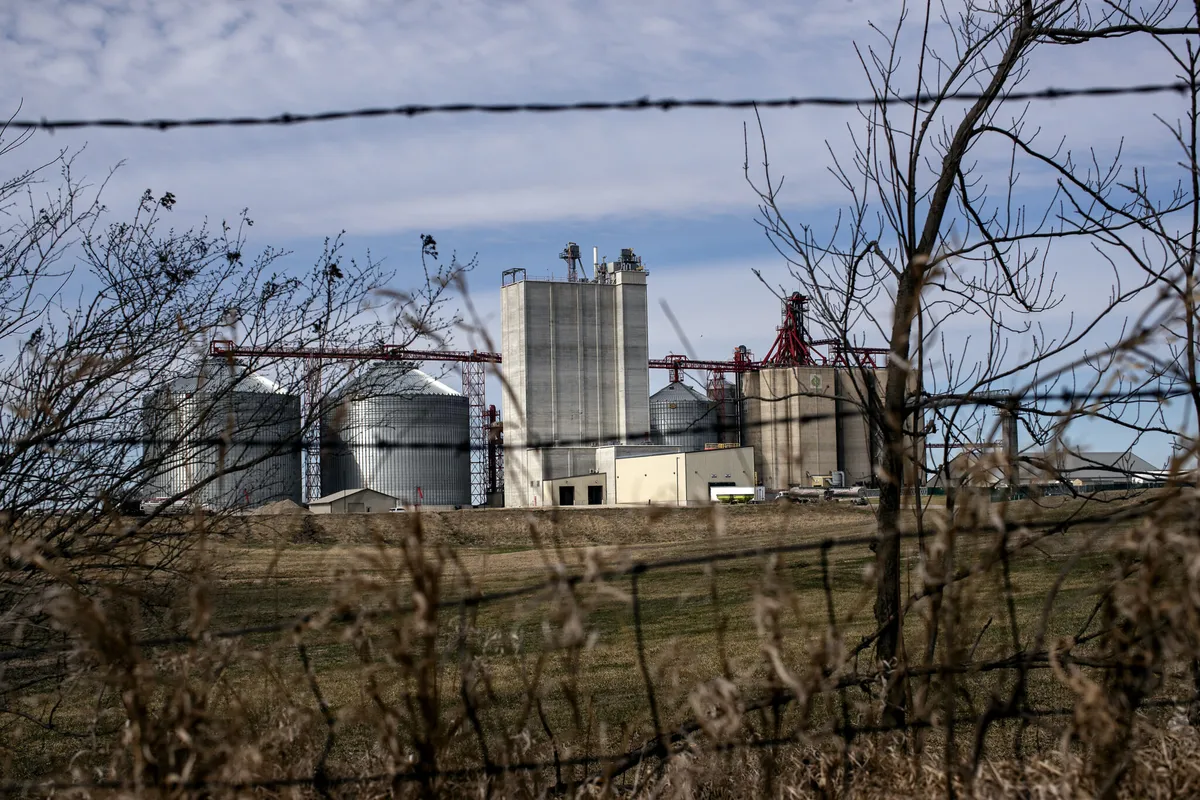
Recent research has begun to connect Iowa's high cancer rates with prevalent environmental contaminants. A comprehensive report detailed the presence of nitrates, pesticides, per- and polyfluoroalkyl substances (PFAS), and radon—all of which are identified as potential carcinogens—in the state. High nitrate levels in drinking water are frequently linked to agricultural practices, specifically the overuse of manure and synthetic fertilizers. Given that Iowa is a leading state for factory farming, producing billions of pounds of animal waste annually, the potential for these contaminants to enter water sources and impact public health is substantial.
 Beyond Iowa, concerns regarding nitrate contamination from agricultural runoff and the broader environmental impact of factory farming operations have been raised in several other states, indicating a nationwide challenge. The situation in Iowa may serve as an early indicator for broader agricultural-state health concerns, necessitating a thorough review of current practices and their long-term consequences.
The Personal and Political Dimensions
Senator Drey's decision to share her diagnosis publicly was a deliberate act, framed as a call to address a "public policy failure playing out in my body." Elected to fill the seat of a predecessor who died of cancer, Drey highlighted the irony and the urgency of the situation. She emphasized that ignoring the environmental factors shared by her constituents is a disservice and that "silence is what perpetuates bad systems." Her personal experience lends significant weight to policy discussions surrounding environmental health.
 Representing the first district, which includes a significant portion of Sioux City, Senator Drey notes that while her roots are elsewhere, her two decades in Iowa have made her deeply connected to its communities. Sioux City, situated near major river systems and home to large meat processing plants, exemplifies the industrial and agricultural nexus that characterizes much of the state. The concentration of such industries in areas with high cancer incidence, such as the zip code 51106 with the state's highest colorectal cancer rates, further fuels the debate about environmental impacts.
The "Toxic Mix" in Iowa's Environment
Understanding Iowa's Unique Environmental Challenges
The "toxic mix" identified in Iowa stems from a combination of factors inherent to its landscape and economy. With agriculture dominating over 85% of its land, the state grapples with significant levels of pollutants associated with farming, including manure, pesticides, and nitrates. Furthermore, Iowa's natural geology contributes to elevated levels of radon, a radioactive gas known to cause lung cancer, which can infiltrate homes through foundations. This pervasive presence of environmental hazards creates a complex health landscape for its residents.
 Audrey Tran Lam, an expert in environmental health, underscores that these environmental factors are not isolated but seep into various aspects of daily life, particularly in regions heavily influenced by agricultural activities. She stresses that addressing Iowa's cancer crisis requires systemic solutions, moving beyond minor adjustments to a fundamental re-evaluation of regional practices and their impact on public well-being.
Advocating for a Healthier Future
Tran Lam envisions an Iowa with diverse agricultural practices focused more on direct food consumption rather than animal feed or fuel, alongside safe spaces for recreation and clean water. This vision, she believes, is intrinsically linked to improved health outcomes for the population. The health of the land, in this perspective, is a direct determinant of the health of its people.
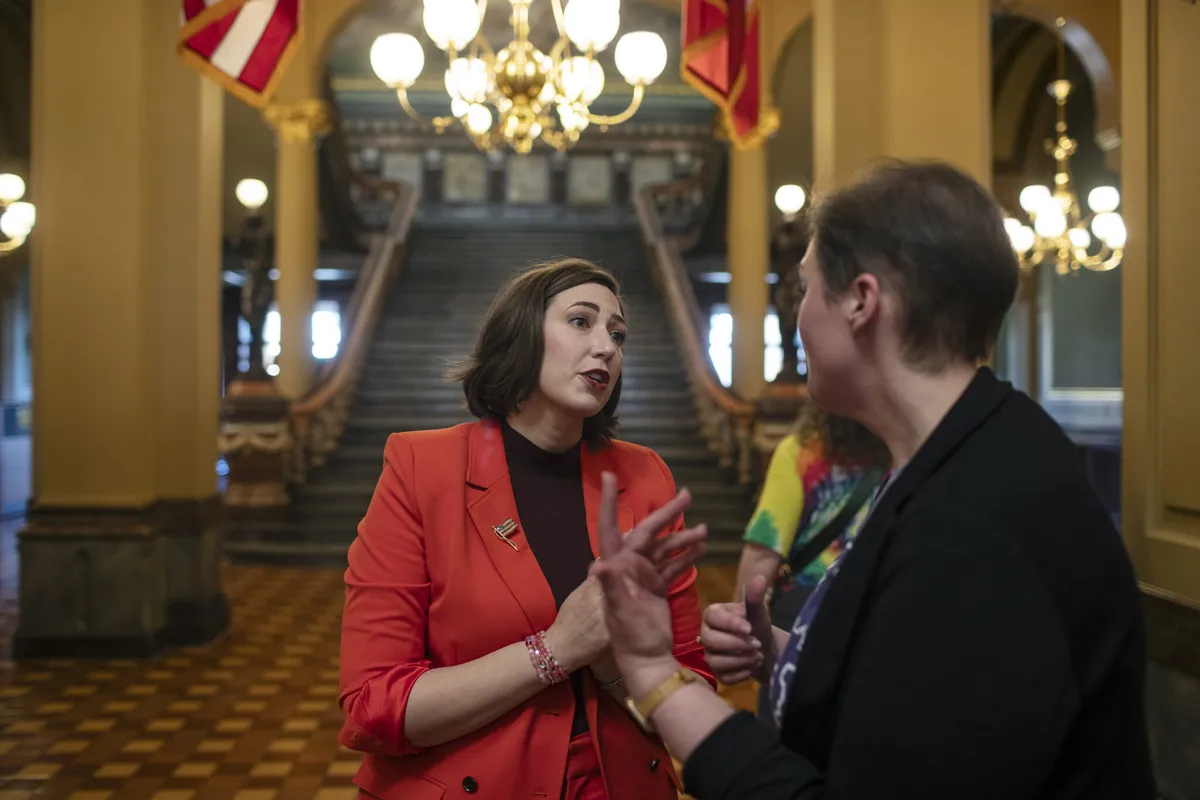 Senator Drey's advocacy extends beyond her personal battle to broader legislative efforts focused on improving access to crucial healthcare services. Recognizing that her own access to timely diagnosis and treatment was facilitated by her resources and position, she aims to ensure that all Iowans can receive the necessary screenings, diagnostic tests, and support. Her experience highlights the critical need for equitable access to healthcare, especially for serious conditions like cancer.
Legislators Facing Health Challenges
Drey's public disclosure has coincided with other state senators revealing their own cancer diagnoses, including Senator Dave Rowley and Senator Julian Garrett. This trend has brought increased attention to transparency in public office regarding health issues. Senator Drey views these personal health battles, when shared, as a means to "make people feel heard and seen," fostering a more open dialogue about health challenges and their systemic implications within the community and government.
The convergence of personal health crises among elected officials with documented environmental concerns in Iowa underscores the urgency of addressing the state's cancer crisis. Senator Drey's advocacy and personal story serve as a powerful catalyst for policy change, urging a comprehensive approach that tackles environmental factors alongside healthcare access to improve the well-being of all Iowans.