This week's science news brings forth intriguing discoveries from disparate fields: an ancient burial practice in Laos offering insights into mortuary rituals, and a potential breakthrough in cancer therapy leveraging a common asthma medication. Archaeologists have been investigating a unique "death jar" in Laos, dating back approximately 1,200 years. Initial findings suggest this large vessel was used for a complex and perhaps unsettling mortuary practice involving the collection of partially decomposed human remains, indicating a ritualistic approach to death and remembrance that differs from many contemporary practices.
Concurrently, researchers are exploring the repurposing of a widely-used asthma drug, which has shown early promise in combating aggressive forms of cancer. This development, stemming from preliminary studies, could offer a new avenue for treating challenging malignancies, including certain types of breast cancer. The dual focus on ancient anthropological practices and cutting-edge medical research highlights the breadth of scientific inquiry into understanding human history and improving human health.
Archaeological Insights from Laos' "Death Jar"
Unearthing Ancient Mortuary Practices
The discovery in Laos, centered around a large, ancient "death jar," has presented archaeologists with a unique puzzle regarding past burial customs. This particular site dates back to approximately 1,200 years ago, placing it in a period where understanding of the region's cultural and ritualistic landscape is still evolving. The jar itself is notable for its size and the nature of its contents. Unlike typical urn burials or full skeleton interment, evidence points to this jar serving as a receptacle for human remains that had undergone a period of decomposition before collection.
This method suggests a deliberate process of managing remains post-mortem, possibly for specific ritualistic purposes or beliefs surrounding the afterlife. The implications of this practice are significant for understanding Southeast Asian archaeology and anthropology. It raises questions about the societal views on death, the body, and the transition to the next phase of existence. Further research into the skeletal remains within the jar may reveal information about the individuals interred, their familial relationships, and the specific cultural or religious frameworks that guided their funerary rites. 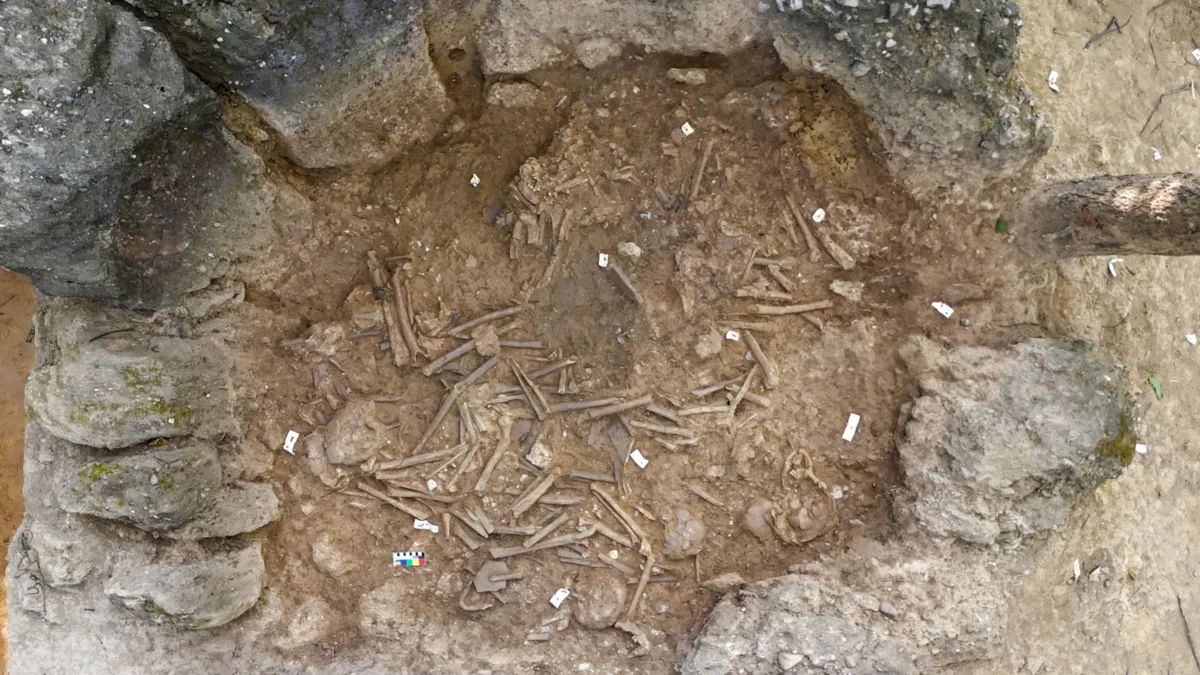
Contextualizing the 'Death Jar' in Laos
The precise interpretation of the "death jar" is ongoing, but it aligns with other archaeological findings from various cultures that employed unique methods for handling the deceased. Some ancient cultures practiced sky burial, excarnation (removing flesh from bones before burial), or utilized ossuaries, all of which demonstrate a diverse range of beliefs and practices concerning the physical body after death. The Laotian jar suggests a more contained, perhaps domestic or familial, approach to managing remains, potentially over generations, given the implication of collected skeletal fragments rather than a single individual.
Understanding the socio-cultural context is crucial. Was this a practice reserved for specific social strata, or a more widespread custom? The location of the jar and its associated findings will be key to answering these questions. The analysis of materials found alongside the jar, as well as its construction and placement, can offer clues about the technological capabilities and symbolic significance attributed to such artifacts. This discovery enriches our understanding of human diversity in confronting mortality and constructing meaning around death. 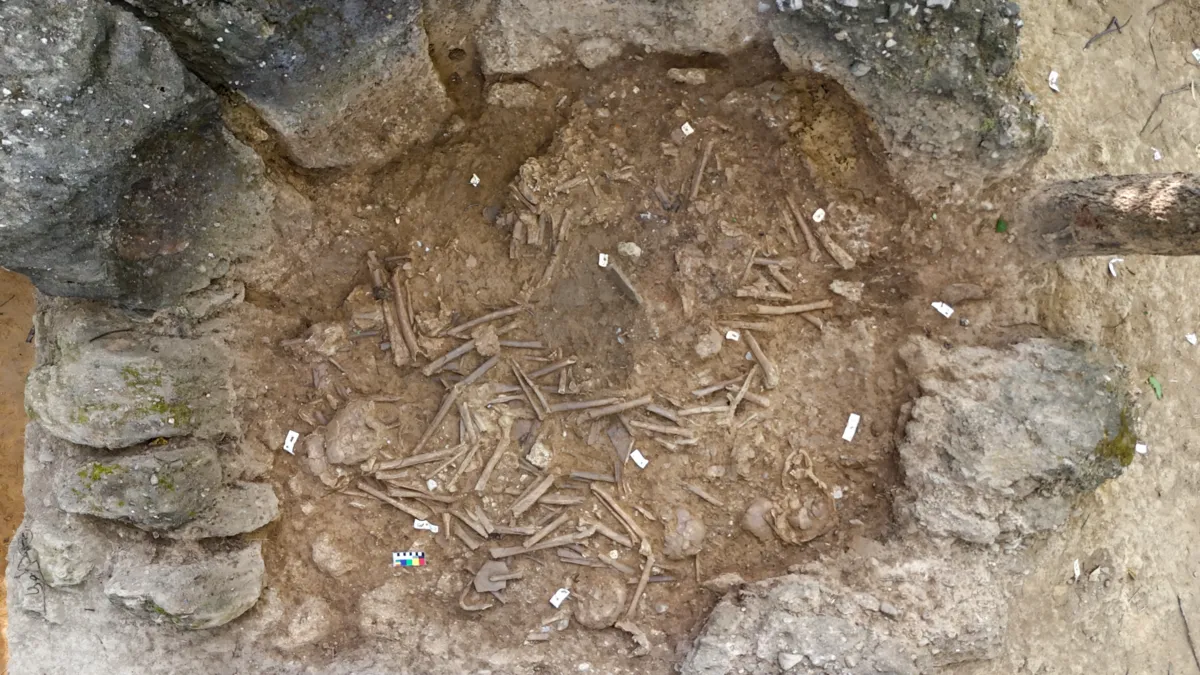
Potential Cancer Therapy Revolution with Asthma Drug
Repurposing Medications for Oncology
In a separate scientific development, a common asthma medication is being investigated for its potential to combat various forms of cancer. This research leverages the existing knowledge of a drug's safety and efficacy in treating a primary condition to explore its benefits in a completely different therapeutic area. Early studies indicate that the drug may possess properties that can inhibit the growth of or even destroy cancer cells, particularly those that are difficult to treat with conventional therapies.
The focus on aggressive cancers, such as triple-negative breast cancer, is particularly noteworthy. This subtype of breast cancer is known for its rapid progression and limited treatment options. If the initial findings hold up in larger clinical trials, this drug could represent a significant advancement, offering a new weapon in the oncological arsenal and potentially improving outcomes for patients with limited alternatives. 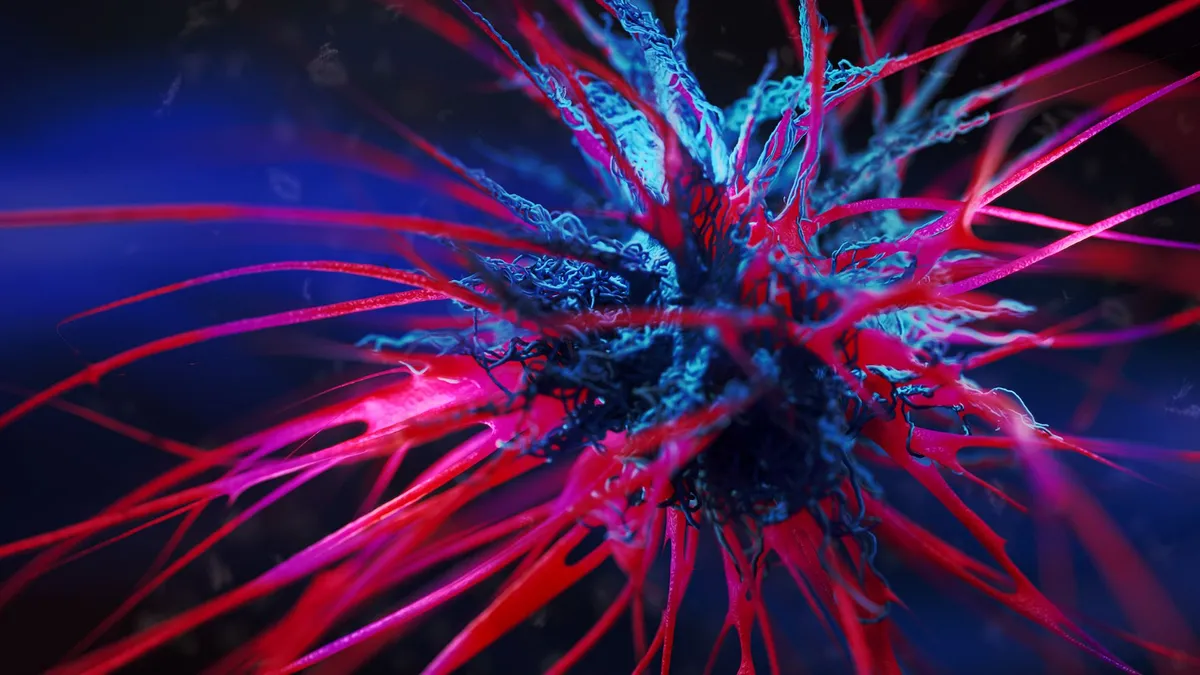
Mechanism and Future Prospects
The scientific community is keenly interested in the precise mechanisms by which the asthma drug might exert its anti-cancer effects. Understanding these pathways is critical for optimizing its use, identifying synergistic treatments, and predicting potential side effects. Repurposing existing drugs is an attractive strategy in pharmaceutical research because it can significantly reduce the time and cost associated with developing entirely new compounds. The drug's established pharmacological profile means much of the foundational safety data is already available.
While these are early-stage findings, the potential impact is substantial. Further research will involve rigorous clinical trials to confirm efficacy, determine optimal dosages, and assess long-term safety in cancer patients. The prospect of a readily available medication offering new hope against aggressive cancers underscores the dynamic and often unexpected nature of scientific discovery. 
Impact Analysis
The convergence of these distinct scientific narratives—one delving into the deep past of human ritual and another peering into the future of medical treatment—underscores the multifaceted nature of scientific progress. The Laotian "death jar" offers invaluable ethnographic and archaeological data, enriching our understanding of human diversity in confronting mortality and shaping beliefs around death and the afterlife. This knowledge contributes to the broader field of anthropology, providing context for the evolution of human societies and their complex relationship with death. Meanwhile, the potential repurposing of an asthma drug for cancer treatment signifies a promising development in medical science. If validated, it could provide a more accessible and effective treatment option for hard-to-treat cancers, potentially altering the landscape of oncological care and offering renewed hope to patients worldwide. Both discoveries, though seemingly disparate, highlight humanity's ongoing quest for knowledge, whether it's deciphering the mysteries of our ancestors or advancing the frontiers of modern medicine.