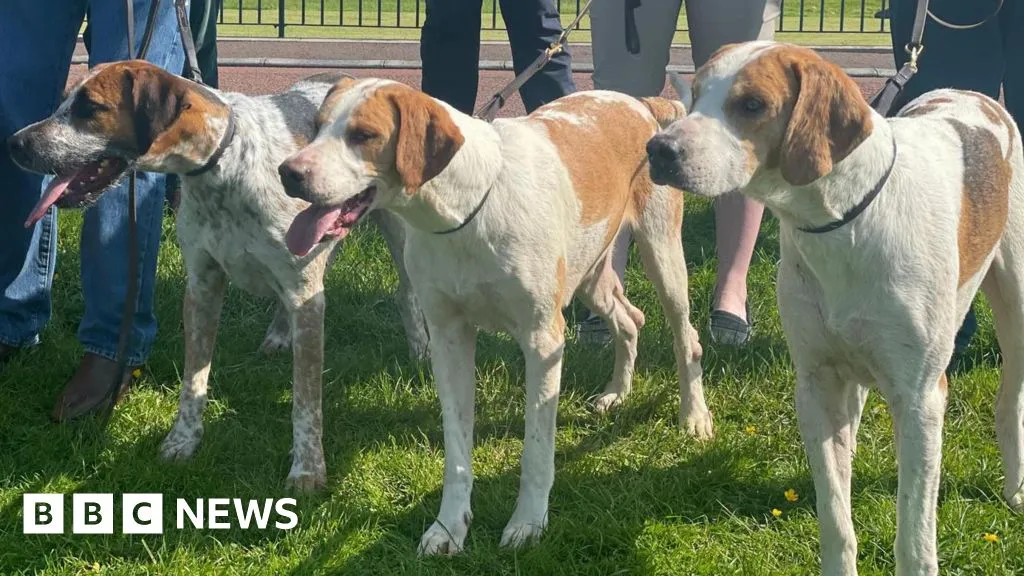
Proponents of traditional hunting practices in Northern Ireland have voiced strong concerns that a recently advanced bill to ban the hunting of wild animals with dogs could inadvertently expose thousands of dog owners across the region to legal prosecution. The legislative development follows the Northern Ireland Assembly's successful vote on Tuesday, which saw the Hunting with Dogs Bill pass its second reading. This pivotal vote moves the legislation closer to becoming law, aiming to prohibit the practice of hunting wild mammals using dogs, a method that remains legal only in Northern Ireland within the United Kingdom.
The private members' bill, initiated by John Blair of the Alliance Party, has drawn significant opposition from campaign groups such as Countryside Alliance Ireland. This organization has vehemently criticized the bill, labeling it as "misguided and divisive." Gary McCartney, a spokesperson for the group, warned during a protest outside Stormont that the bill's broad scope could have far-reaching consequences for virtually every dog owner in Northern Ireland. He posited a scenario where even an unintentional chase by a pet dog after a wild animal, such as a shrew or deer, could be construed as an act of hunting, potentially leading to prosecution. Given that approximately 400,000 households in Northern Ireland own dogs, the potential impact of such legislation is considerable.
Legislative Scrutiny and Political Stances
John Blair, the bill's sponsor, defended the legislation, asserting that it would not broadly affect casual dog owners. He cited the example of Scotland, where similar legislation has been in place for over two decades without a single prosecution against a dog owner. Blair emphasized that his bill aims to align Northern Ireland's regulations with those of the rest of the UK. This is the second attempt to pass such a bill; a previous iteration in 2021 was narrowly defeated by seven votes. However, current indications suggest the bill is likely to garner sufficient support to progress through the legislative process, with expected backing from Sinn Féin and the Alliance Party, and potentially some members of the Democratic Unionist Party (DUP).
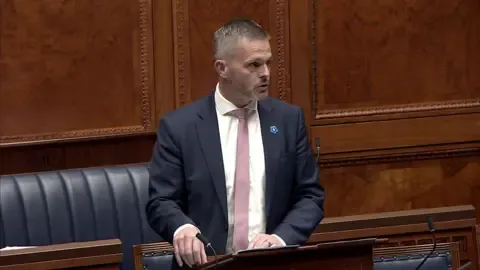
During the assembly debate, John Blair reiterated his stance that hunting wild mammals with dogs is "cruel, unnecessary, and a ban is long overdue." He stated the bill reflects amendments made after extensive consultation and engagement. The Chair of the Agriculture, Environment and Rural Affairs committee, Robbie Butler of the Ulster Unionist Party (UUP), expressed broad support for the bill's principles but stressed the necessity of maintaining effective vermin control and wildlife management in rural settings. He highlighted the challenges farmers and land managers face in protecting livestock, biodiversity, and managing species populations. The UUP's support, Butler clarified, hinges on achieving "clear legal certainty" that lawful rural activities will not be inadvertently impacted by the bill's drafting, urging for precise explanations of its practical application and exemptions.
Concerns Regarding Exemptions and Practicalities
Áine Murphy of Sinn Féin affirmed her party's support for a targeted ban on hunting wild animals with dogs for leisure, aiming to prevent unnecessary cruelty. While acknowledging the bill's inclusion of exemptions for protecting livestock, Murphy expressed concerns that these provisions might be insufficient as currently drafted. Sinn Féin believes further refinement is necessary to ensure that hunting with dogs can continue where essential for practical livestock protection and wildlife management. The assembly ultimately voted 60 to 15 in favor of the bill progressing to the Committee stage.
Representing the East Antrim Hounds, Emma Hodge voiced apprehension regarding the potential impact on her pack of hounds and her livelihood. She questioned the fate of hounds if hunting were banned, emphasizing their nature as pack animals requiring communal living. Hodge defended fox hunting as the "most natural form of pest control," refuting claims of indiscriminate killing and highlighting its historical use for population management. Sean McAloon, huntsman with the Fermanagh Harriers, echoed sentiments that hunting serves as a humane method of pest control, crucial for farmers experiencing lamb losses due to fox predation. He characterized the bill as an "attack on the farming community" and felt the situation had devolved into a "class war."
Animal Welfare Perspectives
Robbie Marsland, Director of the League Against Cruel Sports in Scotland and Northern Ireland, described the concept of chasing and killing wild animals with dogs as "repugnant." He anticipated that arguments favoring hunting would be largely symbolic, aiming to distract from the core issue of animal cruelty. Marsland also dismissed the notion that ordinary dog walkers would face criminalization under the new legislation, citing the absence of such issues in other UK jurisdictions with similar laws.

 The debate underscores a significant divide between animal welfare advocates and those involved in or supportive of traditional hunting practices. The bill's progression through the assembly signifies a move towards aligning Northern Ireland with the rest of the UK on this issue, while also highlighting the ongoing need for clarity on how exemptions for essential rural activities will be implemented and enforced.
 The next stages of the legislative process will be critical in addressing these concerns and shaping the final form of the law.
Impact Analysis
The advancement of the Hunting with Dogs Bill in Northern Ireland represents a significant shift in the region's animal welfare legislation. Its potential impact extends beyond the direct prohibition of hunting with dogs, touching upon broader rural economies, traditional practices, and the livelihoods of individuals involved in these activities. The concerns raised by groups like Countryside Alliance Ireland regarding the potential for unintended prosecution of everyday dog owners highlight the critical need for precise legislative drafting and clear communication. The differing perspectives among political parties and stakeholders underscore the complexity of balancing animal welfare concerns with the perceived needs of rural communities for pest and wildlife management. As the bill moves to the committee stage, intense scrutiny on its exemptions and practical enforcement mechanisms is anticipated. The outcome will likely set a precedent for future debates on animal welfare and rural practices in Northern Ireland and could influence similar legislative efforts in other jurisdictions.