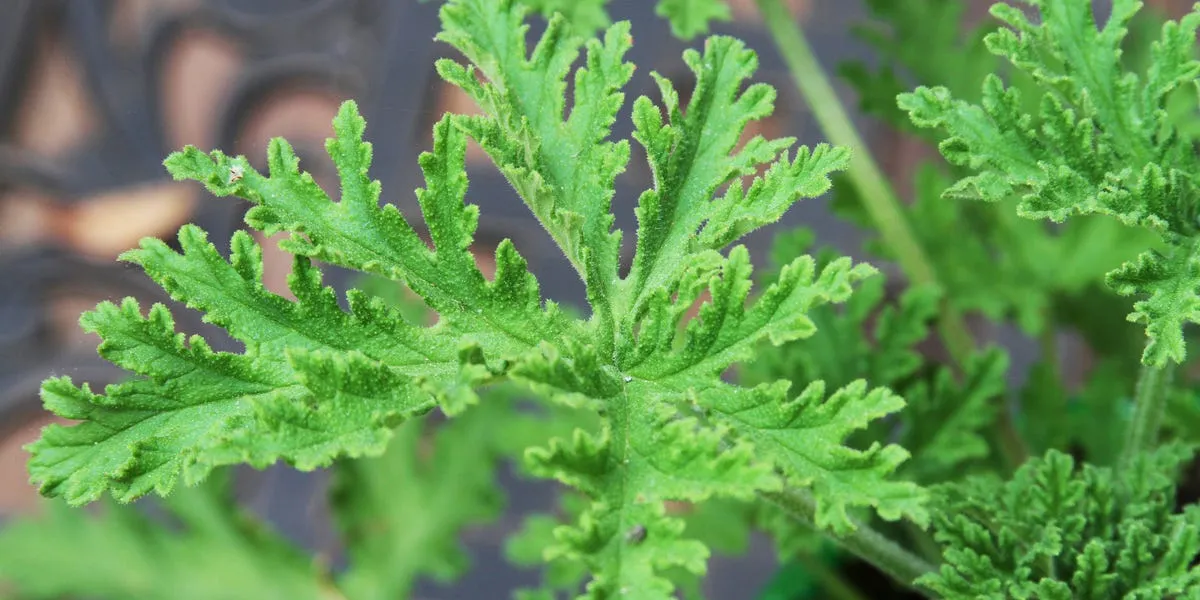
The persistent annoyance of mosquitoes can significantly detract from outdoor enjoyment during warmer months. While various repellents and deterrents exist, incorporating specific plant species into gardens and patios offers a natural, aesthetically pleasing, and often fragrant solution. These botanical allies work by emitting scents or compounds that are unpleasant to mosquitoes, creating a less inviting environment for these biting insects. Understanding which plants possess these repellent properties can transform backyards into more comfortable, bite-free sanctuaries.
Entomological research and practical gardening experience highlight several plants known for their mosquito-repelling capabilities. These range from common culinary herbs to more ornamental varieties, each leveraging its natural aromatic compounds to deter pests. The effectiveness can vary, but a strategic planting of these species can provide a supplementary layer of defense, reducing reliance on chemical treatments and enhancing the overall garden ecosystem. Fragrant herbs, in particular, often release their deterrent scents even when left undisturbed, making them a low-maintenance choice for homeowners seeking natural pest control solutions.
Scientifically-Backed Mosquito Repellent Plants
Several plant species have demonstrated consistent efficacy in repelling mosquitoes, often due to the essential oils and volatile organic compounds they emit. These natural repellents can significantly alter the local insect environment. For instance, plants like lavender and rosemary release strong fragrances that can mask human scents, making it harder for mosquitoes to locate hosts. Similarly, herbs such as basil and mint contain compounds that many insects find noxious. Scientific trials and expert opinions, like those from entomologists, confirm that the concentrated forms of these plants, such as their essential oils, can be potent deterrents. However, even the presence of the plants themselves, especially when densely planted, can contribute to reducing mosquito populations in an area.
Specific compounds found in plants like clove, cedar, and lemongrass have been repeatedly identified in scientific literature for their repellent properties against mosquitoes. These botanical agents offer a sustainable approach to pest management. Beyond their primary function, many of these plants also offer secondary benefits, such as culinary uses, ornamental value, or attracting beneficial insects. Integrating these plants into a landscape design not only addresses the issue of mosquitoes but also enhances biodiversity and the overall appeal of outdoor spaces. The key is to select plants suitable for the local climate and to strategically position them in areas where mosquito activity is highest, such as near patios, decks, and entryways.
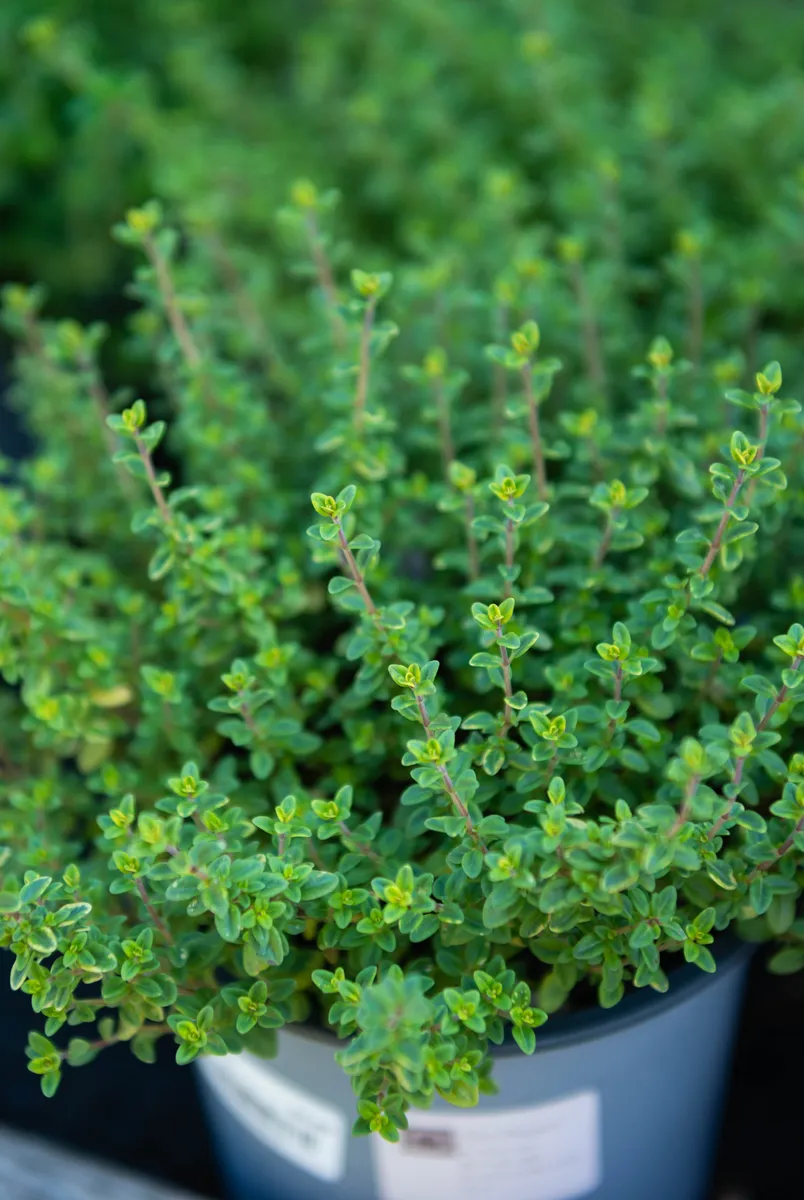
Thyme (Thymus vulgaris)
Thyme is a hardy and fast-growing herb that not only adds flavor to culinary dishes but also serves as an effective natural mosquito repellent. Its aromatic leaves release a pleasant scent that is known to deter mosquitoes. Thyme is adaptable to various conditions but generally prefers well-drained soil and adequate sunlight. It can be planted densely to create a more substantial barrier against insects. This herb is particularly well-suited for gardeners looking for a dual-purpose plant that offers both utility and pest control. Its low-growing habit makes it suitable for borders, rock gardens, or container planting.
USDA Hardiness Zones: 5–9. Thyme can be sensitive to extremely cold temperatures, so providing protection in colder zones may be necessary. Planting it in containers allows for easier relocation to a sheltered spot during harsh winters. Its resilience and ease of care make it a popular choice for organic pest management strategies.
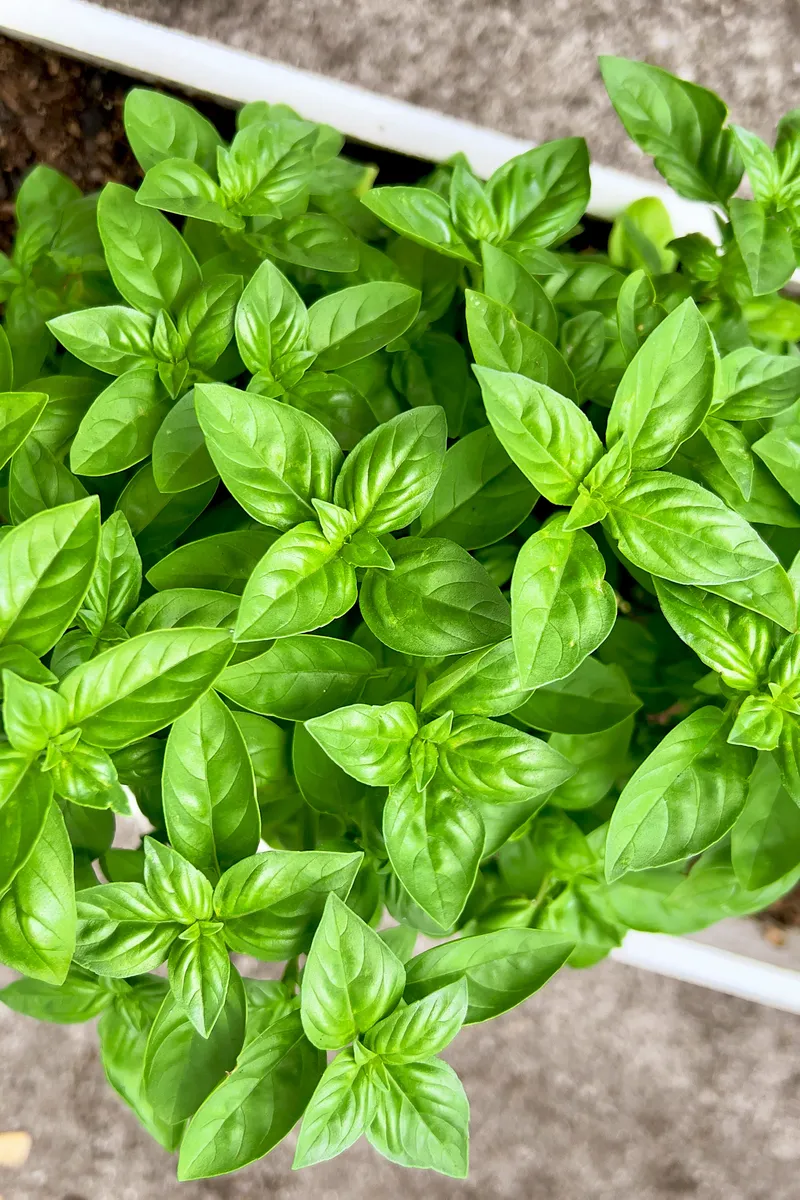
Basil (Ocimum basilicum)
Basil is a widely recognized herb with a strong, sweet aroma that mosquitoes find particularly offensive. It is a heat-loving plant that thrives in full sun and well-drained soil. Basil can be grown successfully in garden beds, pots, or even on windowsills, making it versatile for different gardening setups. Regular pruning not only encourages bushier growth and more leaf production but also helps in maintaining the plant's vitality and scent. The abundance of its fragrant leaves contributes to its effectiveness as a mosquito deterrent.
USDA Hardiness Zones: 10–11. In cooler climates, basil is typically grown as an annual. To maximize its repellent effect, consider planting multiple basil plants around outdoor seating areas or near doorways. Crushing the leaves slightly can release a more potent scent, though the plant's natural fragrance is usually sufficient.
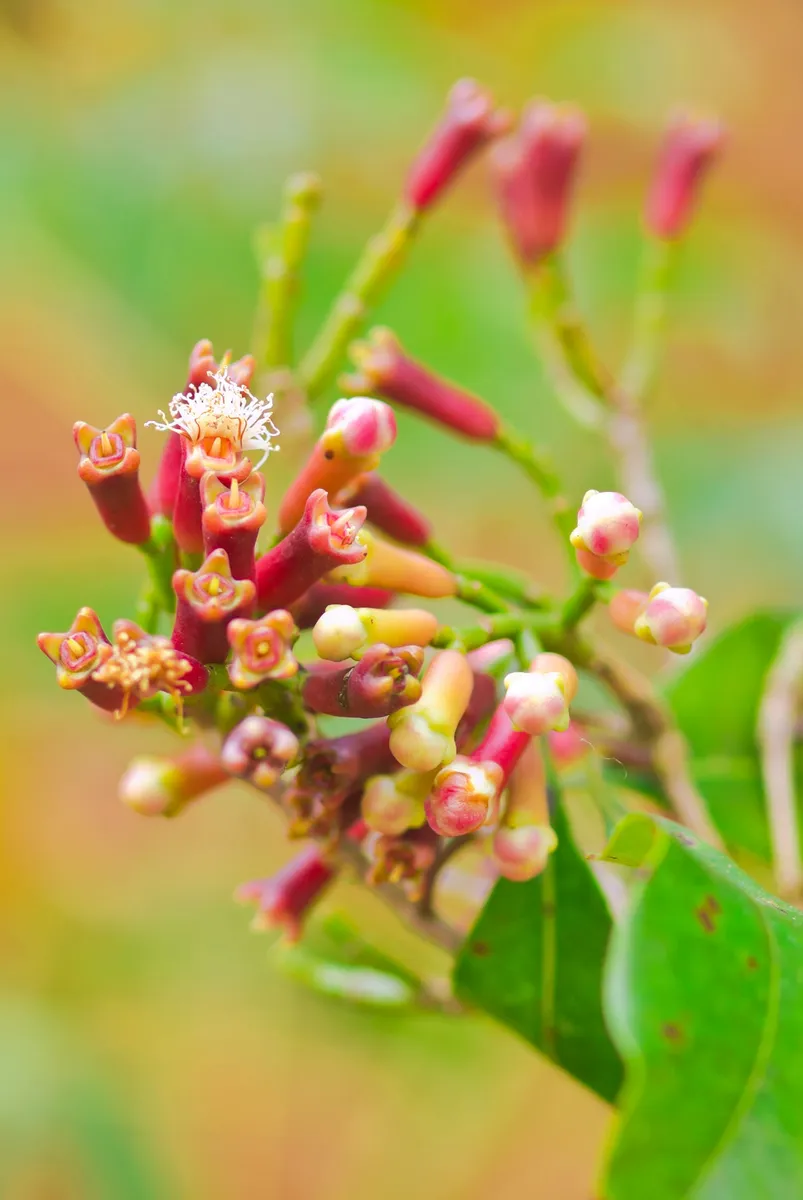
Cloves (Syzygium aromaticum)
While often associated with baking and spice, the clove tree itself, and its aromatic essence, possesses significant mosquito-repelling properties. The strong, pungent scent emitted by the plant is off-putting to mosquitoes. Clove trees thrive in warm, tropical climates and require ample sunlight. The attractive red blooms of the clove tree also add aesthetic value to the landscape. The efficacy of cloves as a repellent has been noted in scientific studies, making it a plant of interest for natural pest control.
USDA Hardiness Zones: 10–12. Due to its specific climate requirements, clove trees are best suited for warmer regions. In areas where it cannot be grown outdoors year-round, its essential oil can be utilized as a potent natural repellent.
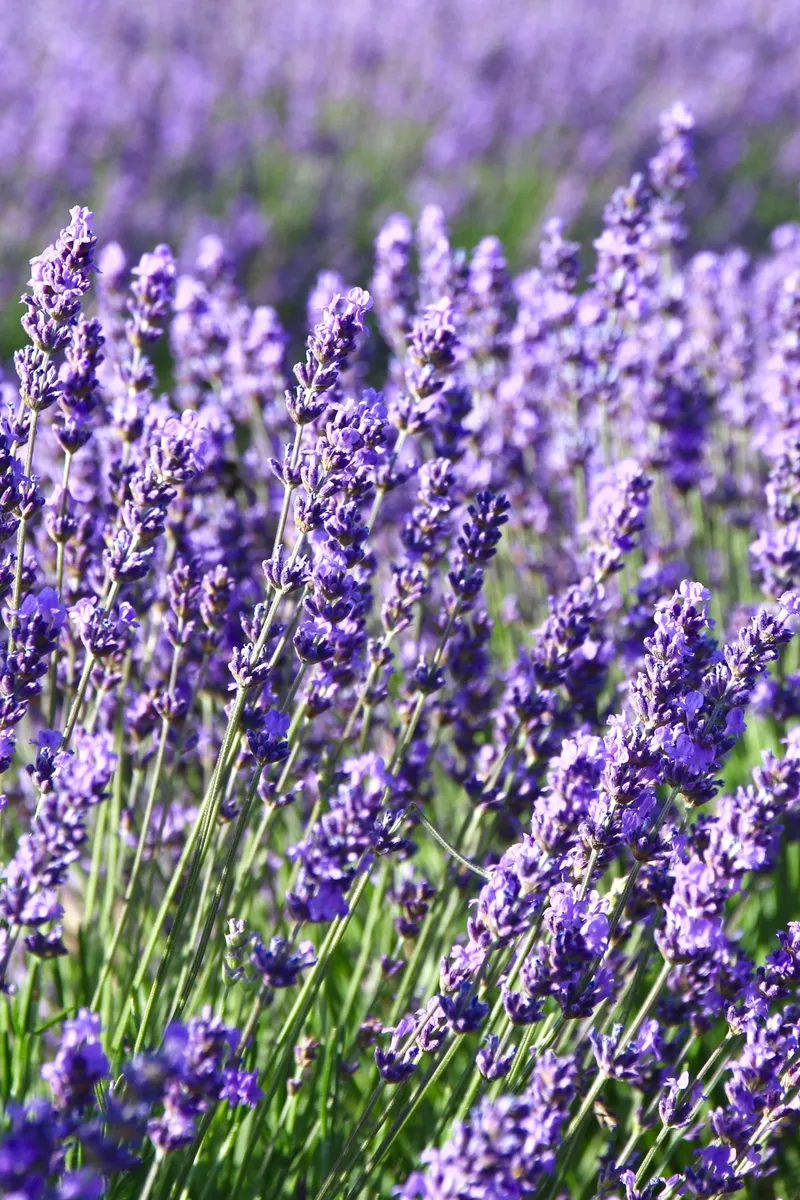
Lavender (Lavandula spp.)
Lavender is celebrated for its calming fragrance and beautiful purple blooms, but it also serves as a formidable mosquito repellent. The strong scent of lavender is derived from its essential oils, which mosquitoes actively avoid. This plant thrives in full sun and prefers well-drained soil, making it drought-tolerant once established. Lavender is an excellent choice for lining walkways, garden beds, or planting in containers near outdoor living spaces. Its visual appeal and pleasant aroma make it a favored addition to gardens.
USDA Hardiness Zones: 5–9. Lavender varieties vary in hardiness, but most prefer climates with moderate winters. Its ability to thrive in sunny, dry conditions makes it relatively low-maintenance. The dried flowers can also be used in sachets to repel insects indoors.
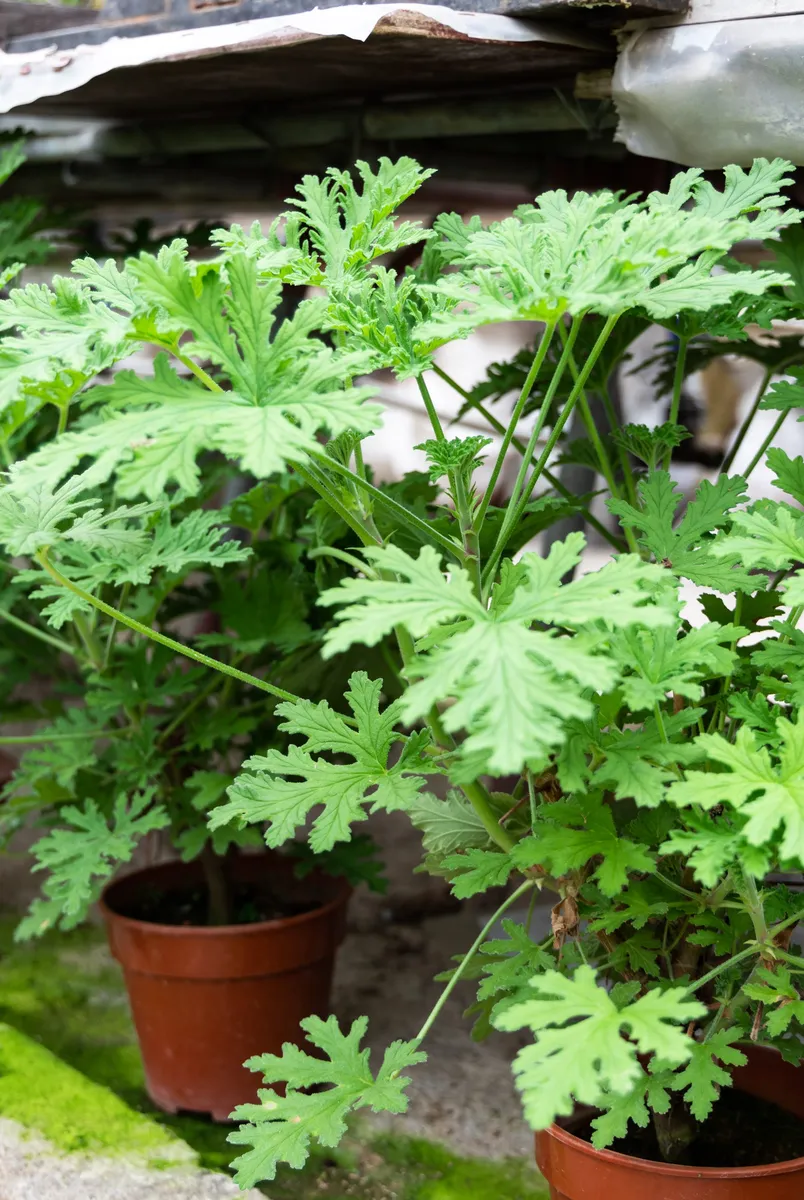
Citronella (Cymbopogon nardus)
Citronella grass is perhaps the most well-known plant for its mosquito-repelling qualities, with its oil being a common ingredient in candles and sprays. The plant itself emits a strong citrusy scent that mosquitoes find highly repellent. It is a tropical grass that prefers full sun and well-drained soil. Citronella grass grows vigorously in warm climates and can be planted in pots or directly in the ground to create a natural barrier around patios, decks, and other outdoor areas where mosquitoes are most problematic.
USDA Hardiness Zones: 9–11. In colder climates, citronella grass can be grown as an annual or overwintered indoors. Its tall, clumping growth habit provides a significant visual and aromatic presence. The leaves can be bruised to release a stronger scent when needed.
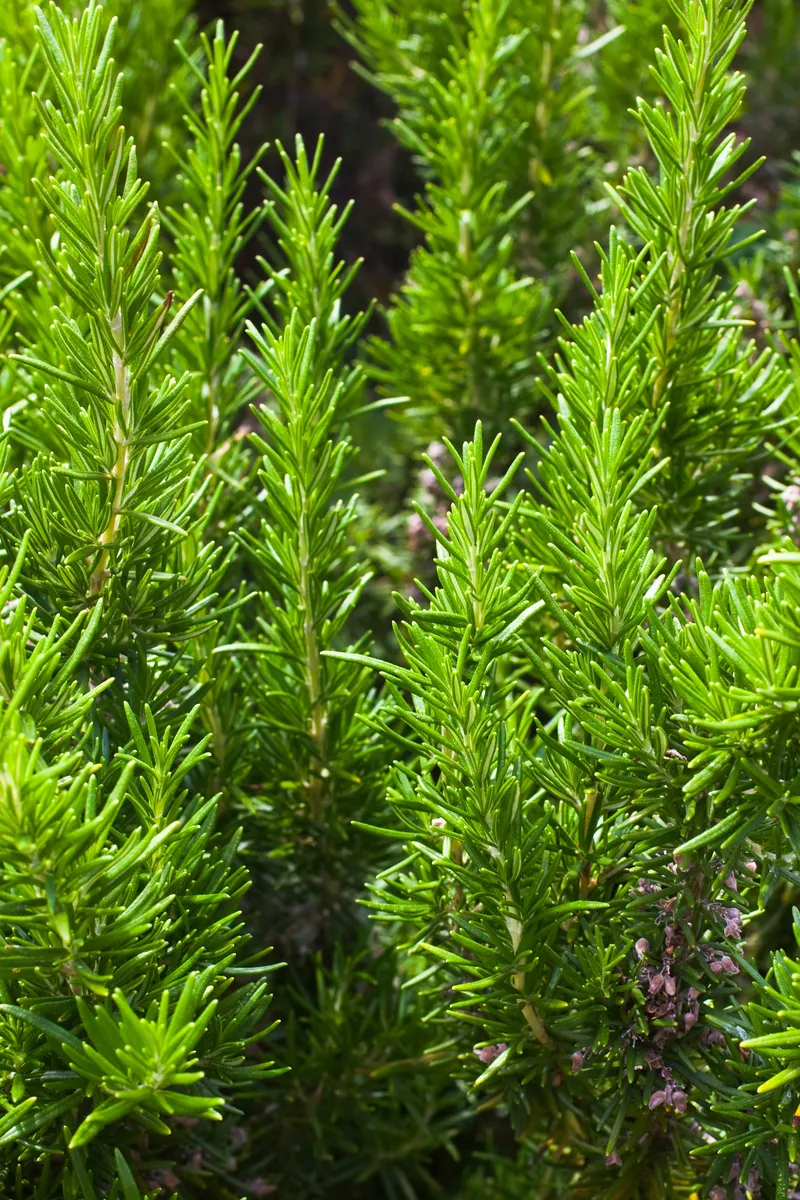
Rosemary (Rosmarinus officinalis)
Rosemary is a versatile herb used in cooking and as a natural pest deterrent. Its distinct, strong fragrance is disliked by mosquitoes. This Mediterranean native thrives in full sun and well-drained soil, making it relatively drought-tolerant. Rosemary can be grown in garden beds, as a hedge, or in containers, and its woody stems and needle-like leaves add texture to the landscape. Planting rosemary near seating areas or windows can help keep mosquitoes at bay.
USDA Hardiness Zones: 8–11. Some cold-hardy varieties can tolerate temperatures down to 20°F (-6°C). Its evergreen nature means it provides protection and visual interest throughout the year in suitable climates.
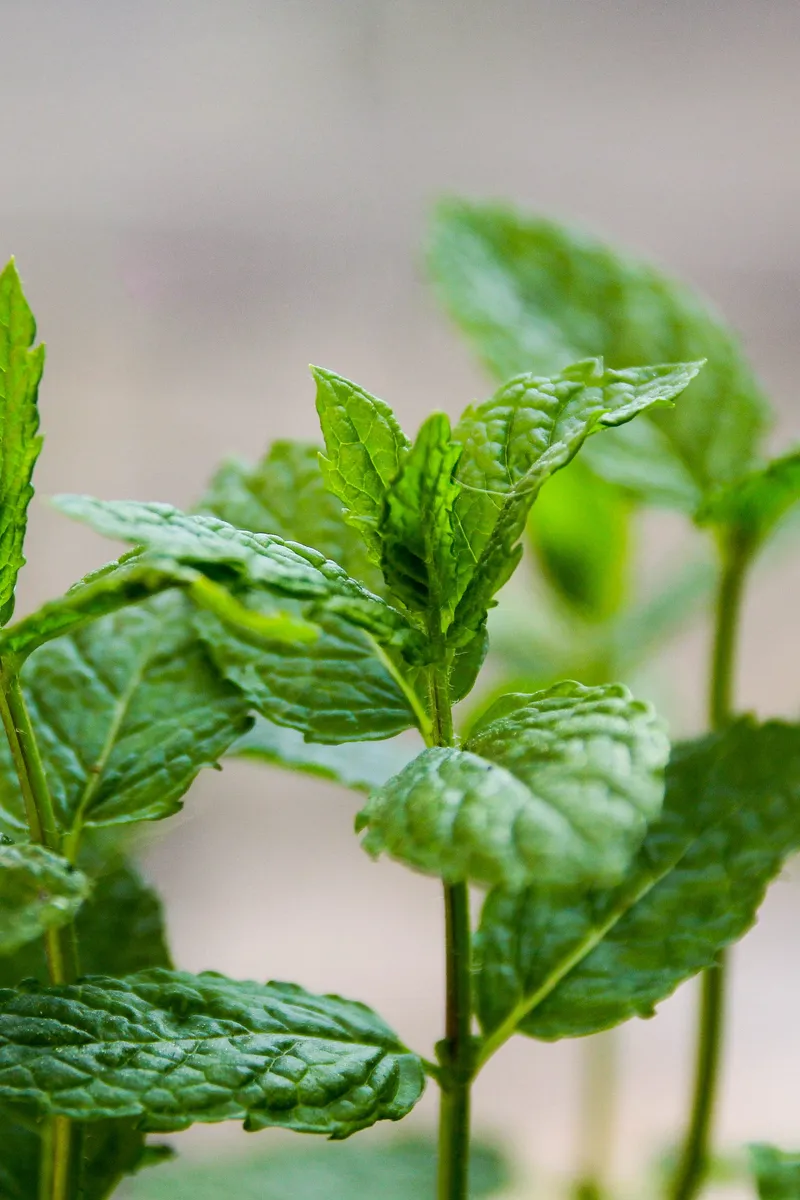
Mint (Mentha spp.)
The vigorous growth of mint makes it a highly effective mosquito repellent. Its strong scent, particularly from varieties like peppermint and spearmint, is known to deter mosquitoes. Mint is an adaptable plant that can thrive in various light conditions, from full sun to partial shade, although it prefers moist soil. Due to its invasive nature, it is often recommended to grow mint in containers to control its spread. The refreshing aroma also makes it a pleasant addition to gardens and patios.
USDA Hardiness Zones: 3–11. Mint is a resilient perennial that can spread quickly via underground runners. Its rapid growth and strong scent profile contribute significantly to its pest-repelling capabilities.
Lemon Grass (Cymbopogon citratus)
Lemongrass is a tropical grass with a distinct lemony aroma that is highly effective at repelling mosquitoes. The scent comes from the high concentration of citronella oil in its leaves. It thrives in full sun and warm conditions and can grow quite tall, making it suitable for larger garden areas or as a striking ornamental plant. Planting lemongrass around the perimeter of a yard or patio can create a significant zone of mosquito deterrence.
USDA Hardiness Zones: 9–11. Lemongrass is a perennial in warmer climates but can be grown as an annual elsewhere. Its robust growth and potent scent make it a valuable tool for natural mosquito control.
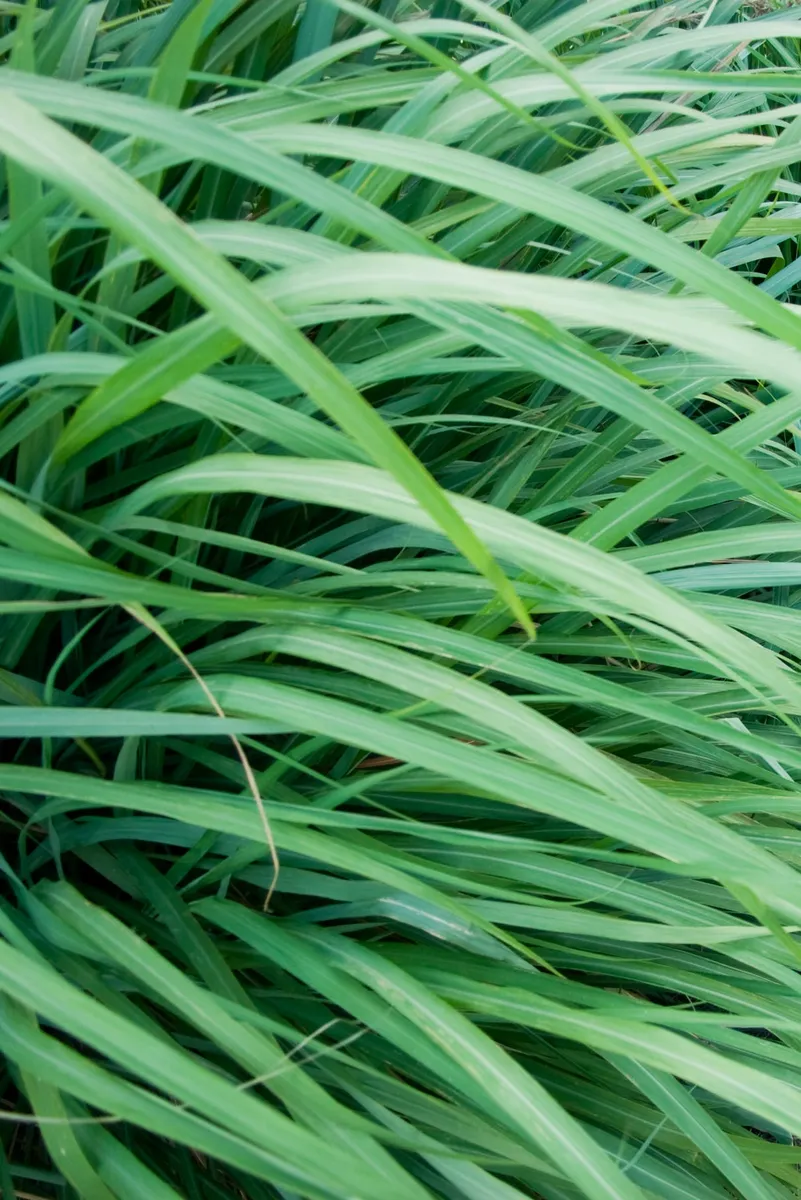
Catnip (Nepeta cataria)
Catnip, a member of the mint family, contains nepetalactone, a compound found to be highly effective at repelling mosquitoes. Studies have shown it to be potentially more potent than DEET in some concentrations. Catnip is a hardy perennial that prefers full sun to partial shade and well-drained soil. Its fuzzy leaves and delicate purple or white flowers add visual interest to the garden. Planting catnip near outdoor living areas can provide significant relief from mosquito bites.
USDA Hardiness Zones: 3–9. It is known for its ease of growth and its ability to thrive in a variety of conditions. The potent scent is released from the leaves and stems.
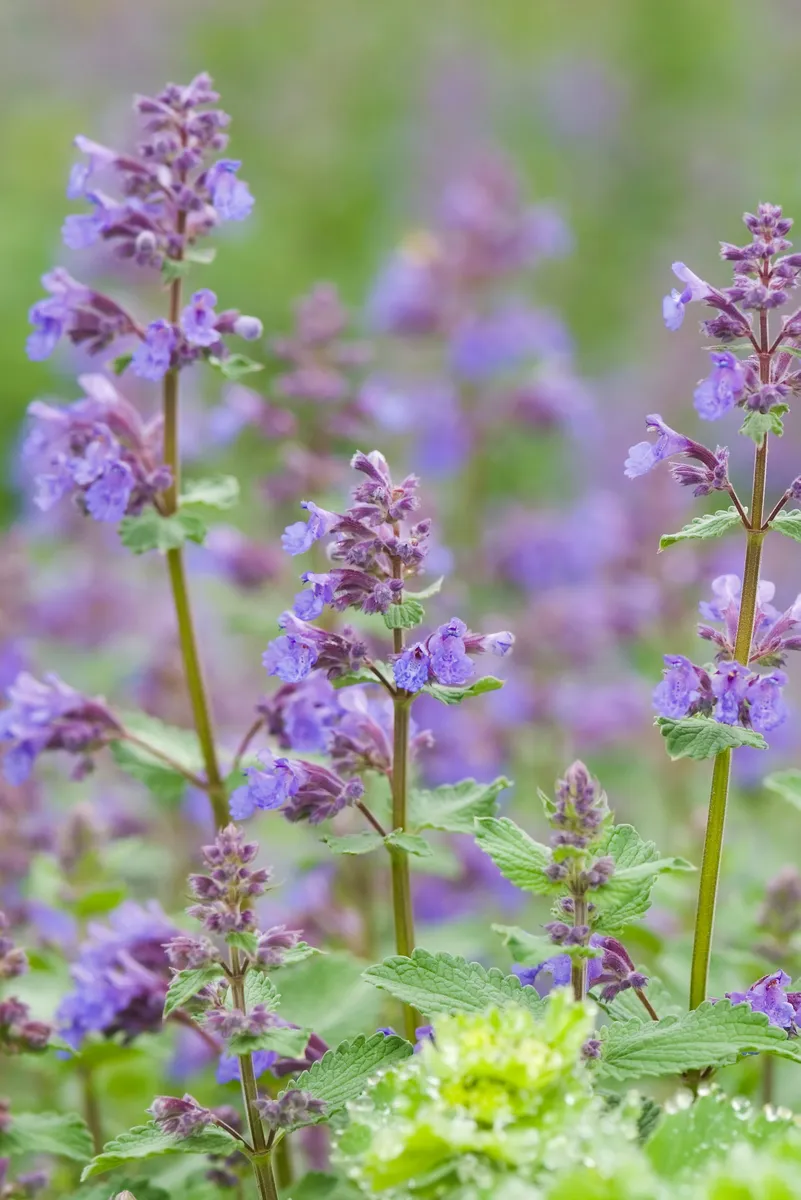
Sage (Salvia officinalis)
Sage is a fragrant herb with a strong aroma that mosquitoes dislike. It thrives in full sun and well-drained soil and is a hardy perennial in many climates. Sage plants can be used in culinary applications and also serve as an attractive ground cover or border plant. Burning sage leaves is a traditional method of repelling insects, and simply having the plant nearby can contribute to a less hospitable environment for mosquitoes.
USDA Hardiness Zones: 4–10. Sage is known for its drought tolerance once established and its aromatic foliage. Its culinary uses and pest-repelling properties make it a valuable addition to any garden.
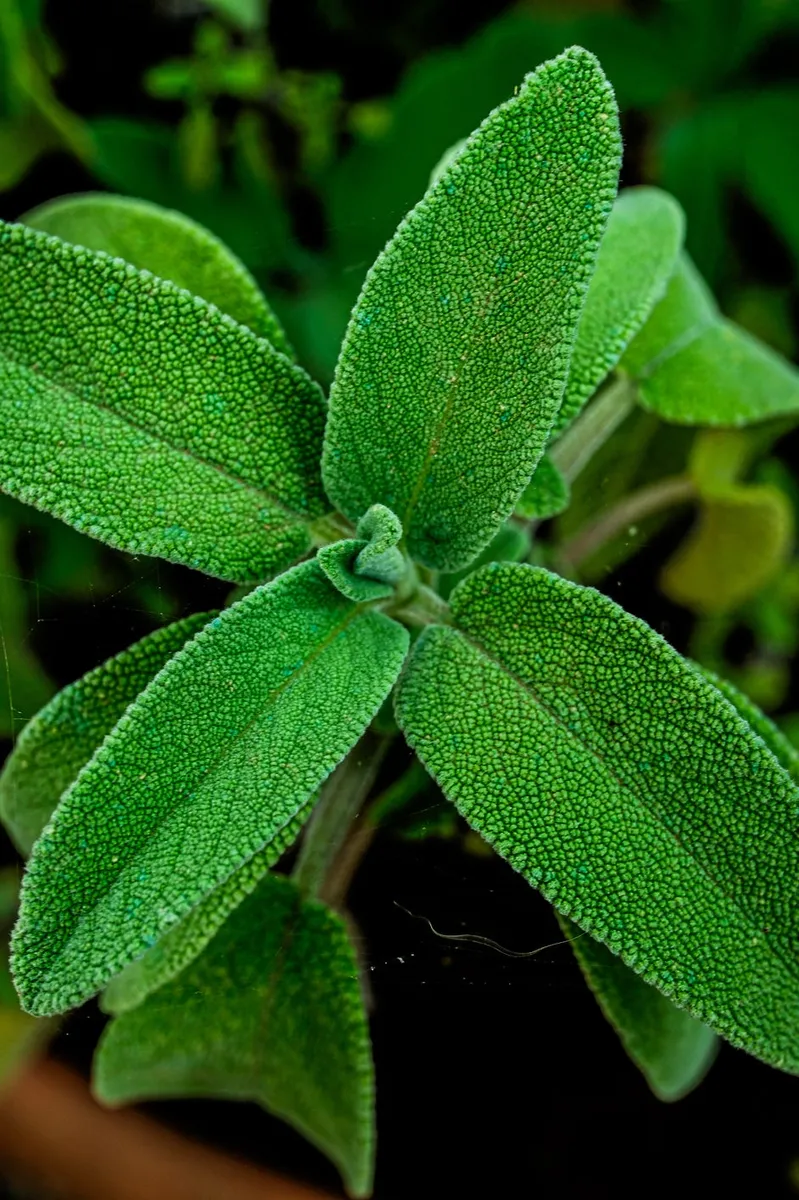
Floss Flowers (Ageratum houstonianum)
Floss flowers are known for their fluffy, attractive blooms and, more importantly, for emitting a chemical that is a common component in commercial insect repellents. This annual plant thrives in full sun and well-drained soil. Planting floss flowers in masses or borders around patios and garden beds can create an effective deterrent for mosquitoes. Their vibrant colors, often in shades of blue, pink, and white, add ornamental value.
USDA Hardiness Zones: 9–11. As an annual, they are replanted each year in most climates. Their repellent qualities make them a functional as well as beautiful garden addition.
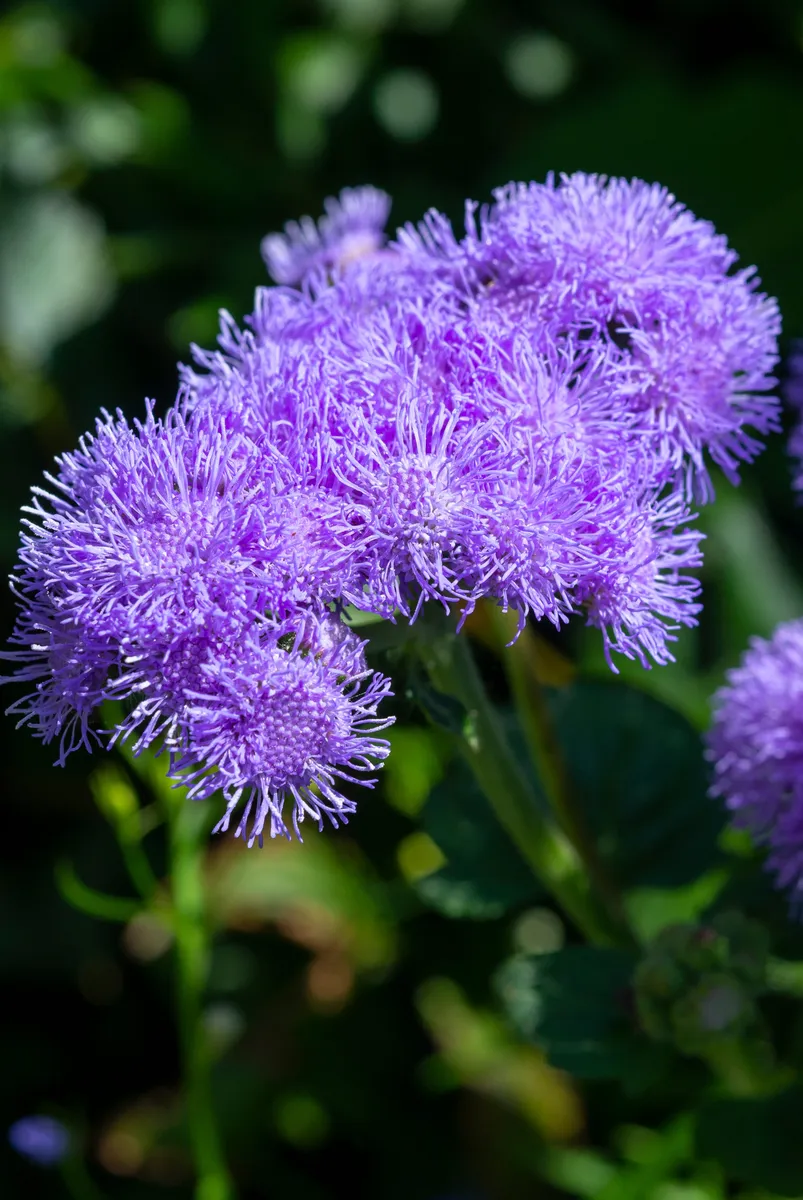
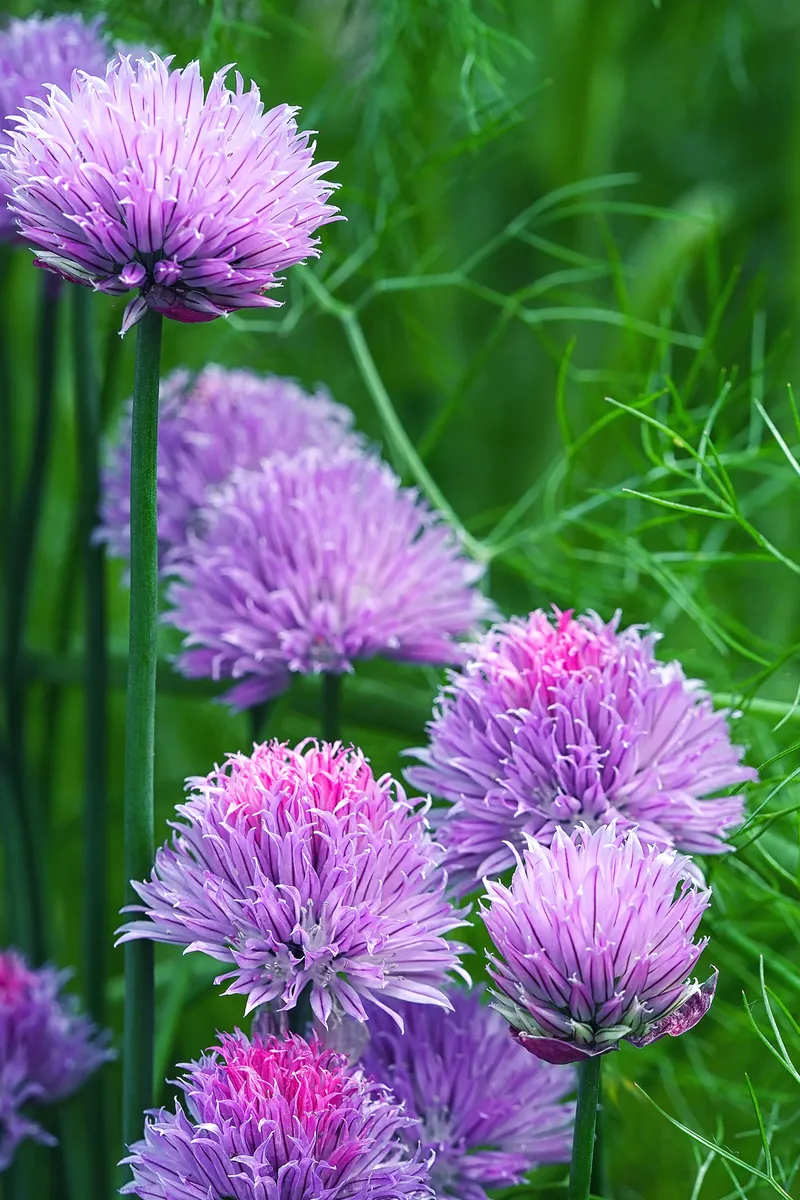
Chives (Allium schoenoprasum)
Chives, along with other members of the Allium family, possess a distinctive scent and attractive purple blooms that are known to repel mosquitoes. The plant is a hardy perennial that is easy to grow and maintain, preferring full sun to partial shade. While rabbits may enjoy chives, their strong aroma is a significant deterrent for mosquitoes. Their delicate oniony flavor also makes them a popular culinary herb.
USDA Hardiness Zones: 3–9. Chives are a reliable perennial that returns year after year, providing consistent pest deterrence and a source of fresh herbs.
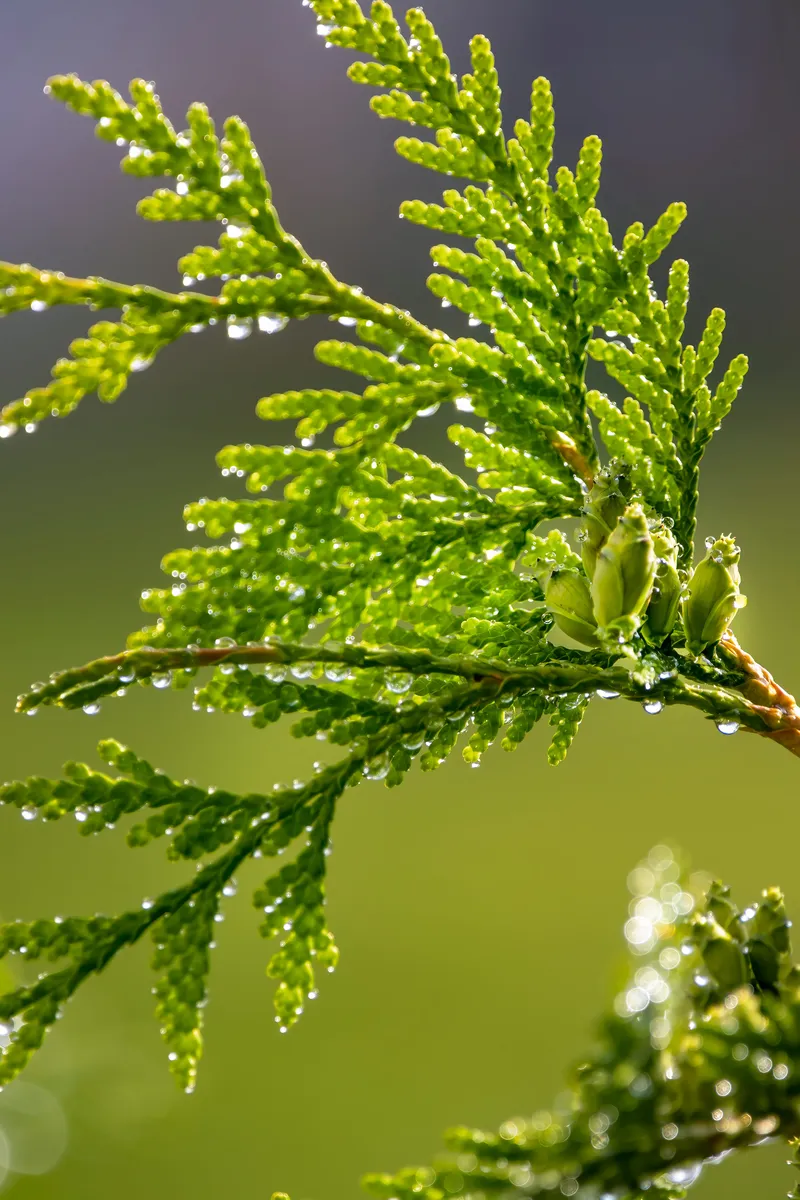
Cedar (Juniperus virginiana)
Cedar trees are renowned for their naturally pest-repellent wood and foliage, which contain compounds that mosquitoes actively avoid. Unlike herbaceous plants, cedar trees offer substantial shade and can act as a natural windbreak. Their strong, distinctive aroma is a key component of their insect-repelling capabilities. Planting cedar trees can provide long-term, large-scale natural pest management for yards and properties.
USDA Hardiness Zones: 2–9, depending on the specific variety. Cedar trees are evergreen and provide year-round benefits, including habitat for wildlife and a pleasing aesthetic. The oils in the wood and leaves are potent deterrents.
Garlic (Allium sativum)
While not typically grown as an ornamental plant, garlic is a well-known natural deterrent for various pests, including mosquitoes. Its pungent odor is a strong repellent. Planting garlic in garden beds, especially near other susceptible plants, can offer a protective effect. Some gardeners also plant garlic specifically for its ability to deter insects from vegetable gardens. The compounds within garlic, when released into the air, interfere with insect navigation and attraction.
USDA Hardiness Zones: 3–8. Garlic requires well-drained soil and full sun. While its primary use is culinary, its repellent properties are a significant benefit in integrated pest management strategies.
Impact Analysis
The integration of mosquito-repelling plants into horticultural practices and home gardens represents a significant shift towards sustainable and natural pest management. This approach not only reduces the reliance on chemical insecticides, which can have adverse environmental and health effects, but also enhances the biodiversity and aesthetic appeal of outdoor spaces. By understanding and utilizing the natural defenses offered by plants like lavender, citronella, basil, and rosemary, individuals can create more enjoyable and healthy living environments. This trend aligns with a broader movement towards eco-friendly solutions in agriculture and home gardening, promoting ecological balance and reducing chemical footprints. Furthermore, the cultivation of these plants supports a more holistic approach to environmental stewardship, where functional landscaping contributes to both human well-being and ecological health.