Australia, a nation often perceived as having boundless agricultural capacity, faces a growing paradox. While capable of feeding its population many times over and exporting a significant portion of its produce, the nation's food production systems are increasingly vulnerable to the impacts of climate change. Recent extreme weather events, including intense heatwaves in the southeast and widespread flooding in the north, have starkly illustrated the risks posed to agricultural output. As global temperatures rise and weather patterns become more erratic, crops and livestock are subjected to unprecedented stress, with plants and animals lacking the protective mechanisms available to humans.
In response to these escalating threats, a growing number of Australian farmers are turning to 'protected cropping' – a diverse range of methods designed to shield agricultural production from environmental volatility. This approach, which can encompass anything from simple shade netting to sophisticated automated glasshouses, aims to create more controlled growing conditions. While nations like the Netherlands have successfully leveraged high-tech protected cropping to become global leaders in agricultural exports, the sector in Australia is still in its nascent stages, facing hurdles to widespread adoption and expansion.
The Scope and Scale of Protected Cropping
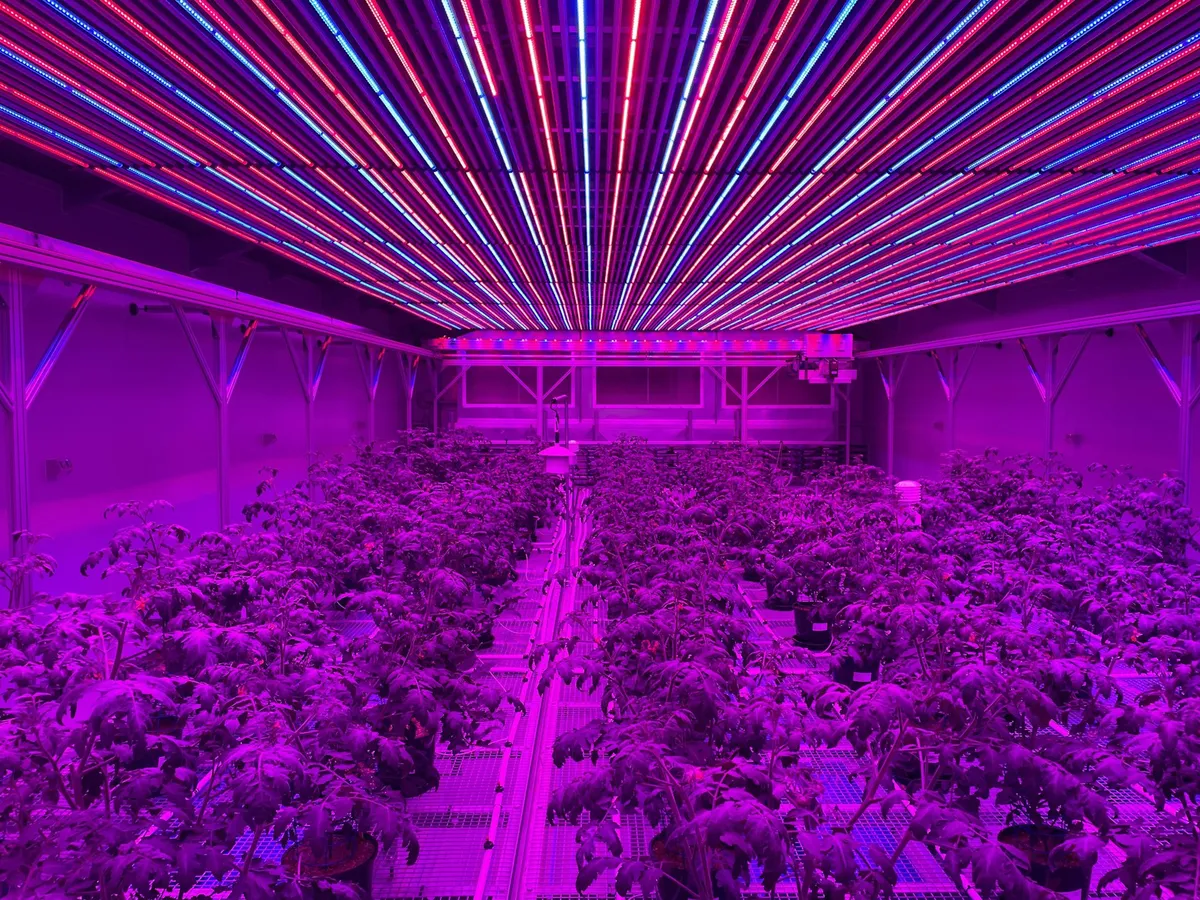
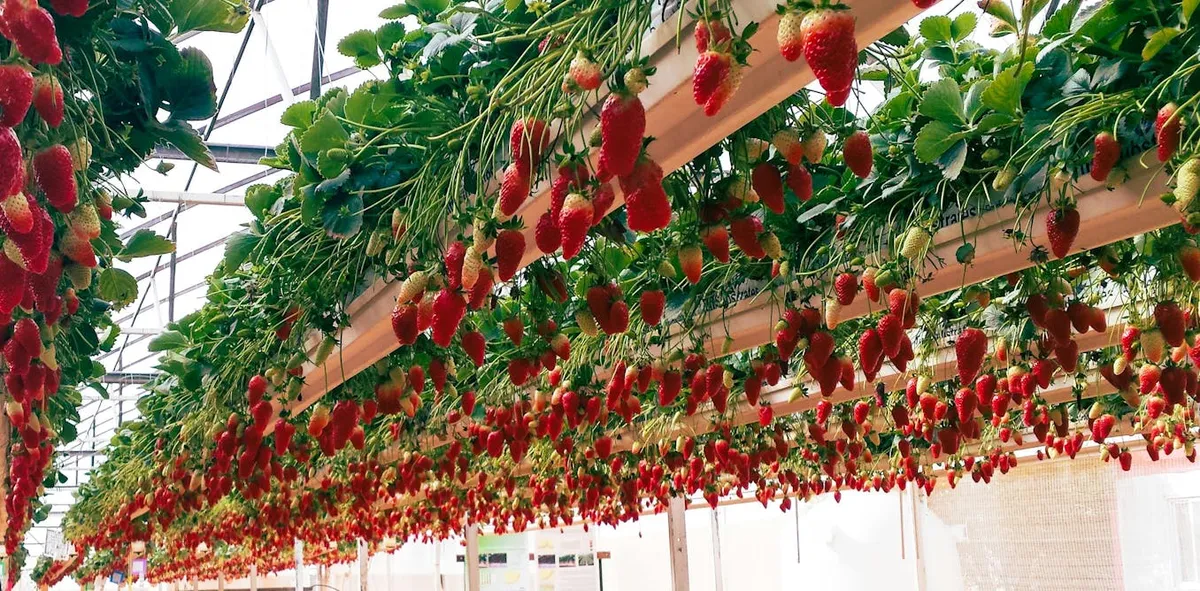
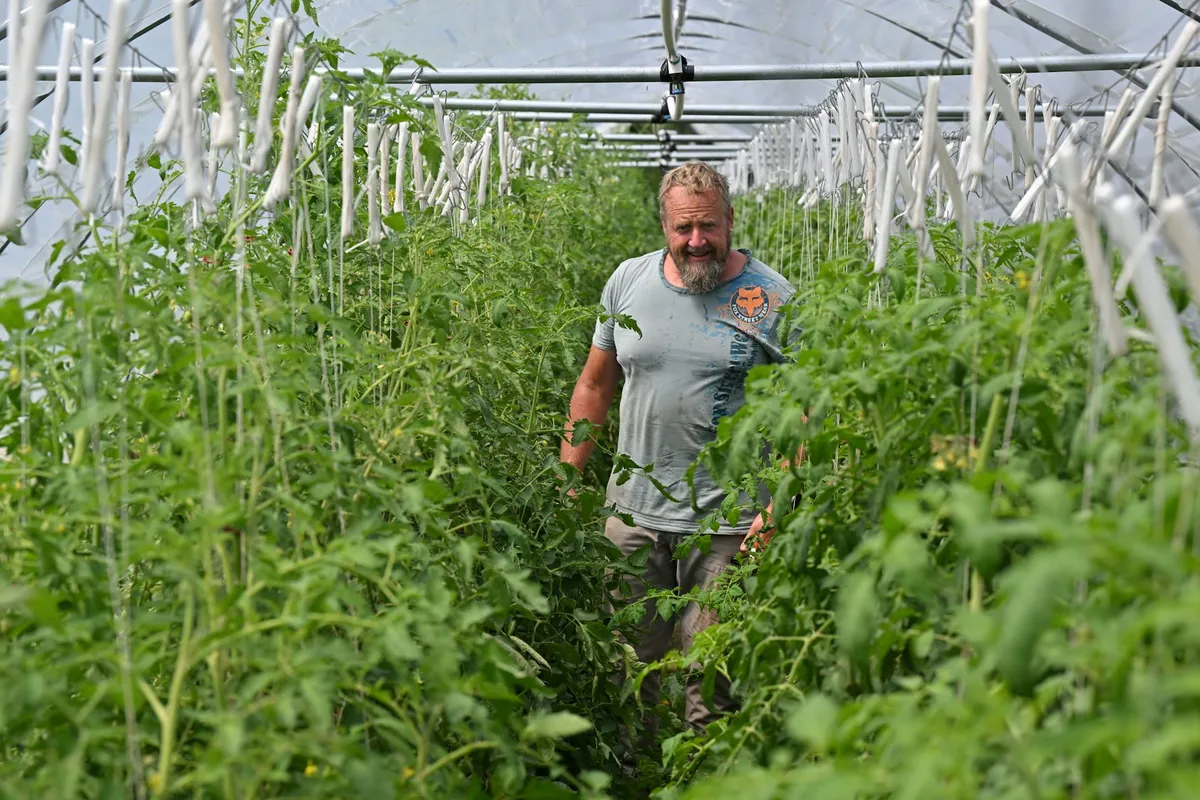
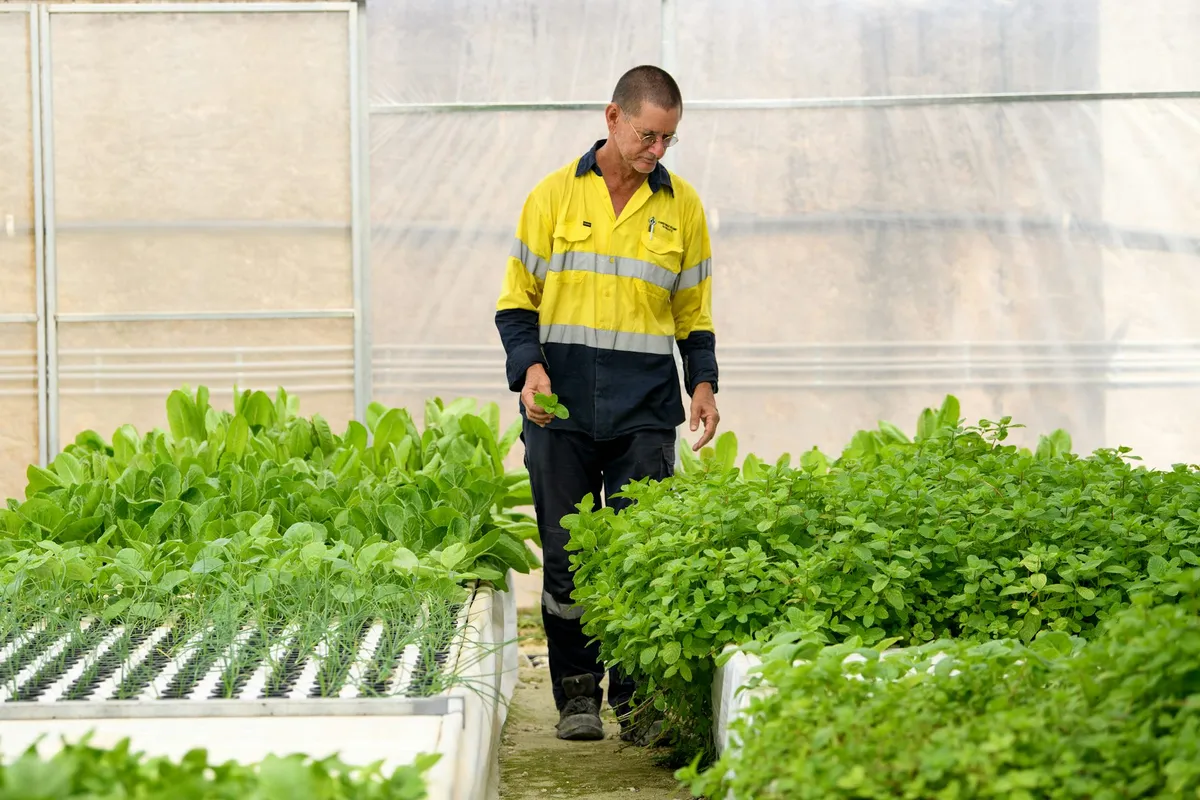
Protected cropping is a broad term that encompasses a spectrum of technologies and techniques. At its most basic, it includes shade houses and netting, offering a degree of protection against excessive sun, wind, and certain pests. Moving up the technological scale are polytunnels, essentially hoop-shaped plastic structures that provide a more enclosed environment, extending growing seasons and offering further protection. The most advanced form involves highly sophisticated, often automated, glasshouses that offer precise control over a multitude of environmental factors.
Internationally, the Netherlands stands as a prime example of protected cropping's potential. Facing significant land constraints, Dutch farmers have embraced high-tech glasshouses, guided by the principle of achieving maximum yield with minimal resources. This strategy has propelled the Netherlands into becoming one of the world's largest exporters of fruits and vegetables, demonstrating how intensive, controlled environments can overcome geographical limitations.
Protected Cropping's Footprint in Australia
In Australia, protected cropping is gradually expanding, though it represents a modest fraction of the total agricultural land. As of 2023, approximately 14,000 hectares, or about 17% of fruit and vegetable crops, were cultivated under some form of protection. The majority of this area utilises low-tech solutions like shade houses and netting, primarily concentrated in Queensland and New South Wales. These systems are effective for mitigating risks from immediate environmental stressors.
Medium-tech systems, including polytunnels, constitute around 30% of the protected cropping area and are predominantly found in Tasmania, northern Queensland, and Western Australia. High-tech glasshouses, while representing only 2% of the total area, are concentrated near major urban centres like Sydney, Melbourne, and Adelaide. These advanced facilities are typically dedicated to high-value crops such as tomatoes, capsicums, cucumbers, berries, and leafy greens, where the investment in technology yields significant returns.
Economic and Operational Benefits
The adoption of protected cropping offers substantial benefits for Australian farmers, regardless of the technological level employed. These systems create optimal growing environments, leading to more consistent and higher-quality yields throughout the year. By carefully managing factors such as temperature, nutrient delivery, humidity, light, and pest control, farmers can significantly reduce production risks associated with unpredictable weather and environmental factors.
This enhanced control is particularly valuable in the context of a changing climate, offering a buffer against extreme weather events. Beyond risk mitigation, protected cropping facilitates more efficient use of land, water, fertilisers, and energy. Furthermore, the ability to cultivate crops closer to urban centres can shorten supply chains, improving produce freshness, reducing transportation emissions, and bolstering domestic food security. For those engaged in export, produce from protected systems often meets the stringent biosecurity and quality standards demanded by international markets.
Barriers to Wider Adoption
Despite the clear advantages, the widespread adoption of protected cropping in Australia faces significant obstacles. The Australian horticulture industry is largely comprised of small to medium-sized businesses that often lack the substantial capital required to invest in advanced protected cropping systems. The upfront cost of setting up even medium-tech polytunnels, and especially high-tech glasshouses, can be prohibitive for many farmers.
Another critical challenge is the availability of a skilled workforce. Operating and maintaining sophisticated protected cropping facilities requires specialized knowledge and technical expertise, which are currently in short supply within the agricultural sector. Furthermore, while protected cropping offers resilience against many weather events, it is not a panacea; for instance, it does not inherently protect against large-scale flooding, underscoring the need for integrated climate adaptation strategies.
The Role of Policy and Investment
To accelerate the growth of protected cropping in Australia, a concerted effort involving government, industry, and research institutions is necessary. Governments in countries like Sweden and the Netherlands have actively supported the sector through strategic investments in research, development of innovation precincts, and policy incentives to encourage uptake. Australia could emulate these successes by setting clear targets for expanding protected cropping areas, implementing supportive policies, and investing in shared infrastructure.
Establishing regional clusters focused on protected cropping could foster expertise, facilitate the sharing of infrastructure, and create new skilled employment opportunities. Collaboration between industry bodies, researchers, and farmers is crucial for translating technological innovations from the lab to practical application in the field. While protected cropping alone cannot solve all the challenges posed by a changing climate, its successful implementation in other nations demonstrates its potential to significantly enhance agricultural yields, bolster food security, and create valuable new employment pathways within Australia.