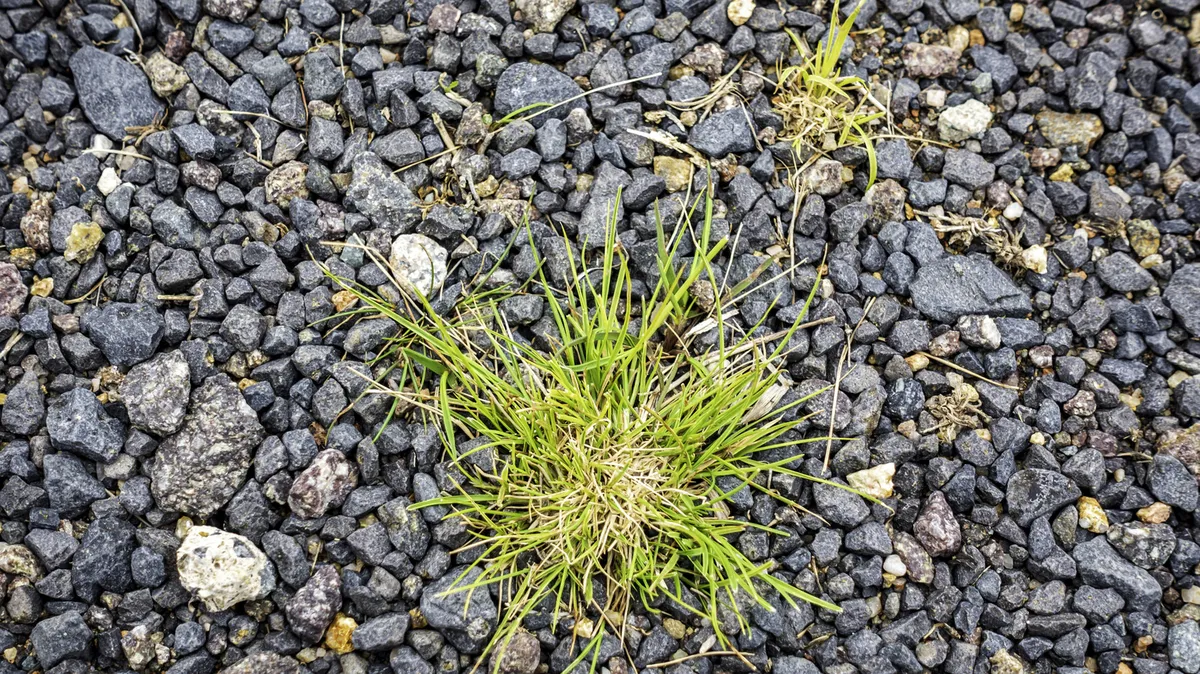
Maintaining the aesthetic appeal and functionality of properties often involves managing landscape elements like gravel pathways and driveways. A common and persistent issue in these areas is the unwanted growth of weeds, which detract from the visual neatness and can even compromise the integrity of the gravel base. Addressing weed proliferation in gravel requires a proactive and multifaceted approach, combining preventative measures with targeted removal strategies. Understanding the biology of common weeds and their germination conditions is key to developing effective control plans that offer long-term solutions.
The challenge with gravel surfaces lies in their permeable nature, which allows for soil accumulation and moisture retention, creating an ideal environment for weed seeds to germinate. While gravel itself is a relatively inert material, the fine dust and organic debris that collect within it provide the necessary nutrients and substrate for plant life. Therefore, strategies must focus on both inhibiting germination and eradicating existing growth without damaging the surrounding landscape or relying solely on harsh chemical applications. From pre-emergent herbicides to more natural deterrents and physical removal techniques, a range of options can be employed.
Comprehensive Weed Management for Gravel Surfaces
Preventative Measures: The First Line of Defense
The most effective way to manage weeds in gravel is through prevention. This often starts with the installation process itself. Using a high-quality landscape fabric or geotextile membrane beneath the gravel layer is a crucial first step. This permeable barrier allows water to drain while preventing weed seeds from germinating from the soil below and stopping the accumulation of organic matter that fosters weed growth. The fabric should be properly installed, ensuring complete coverage with minimal gaps, and secured before the gravel is spread.
Regular maintenance of the gravel surface also plays a vital role in prevention. Periodically raking the gravel helps to disturb any accumulated debris and dislodge weed seedlings before they establish roots. It is also beneficial to top up the gravel layer every so often, as a deeper layer of gravel can make it more difficult for weeds to penetrate. Ensuring good drainage is another critical preventative strategy; standing water can accelerate weed growth and soil decomposition within the gravel.
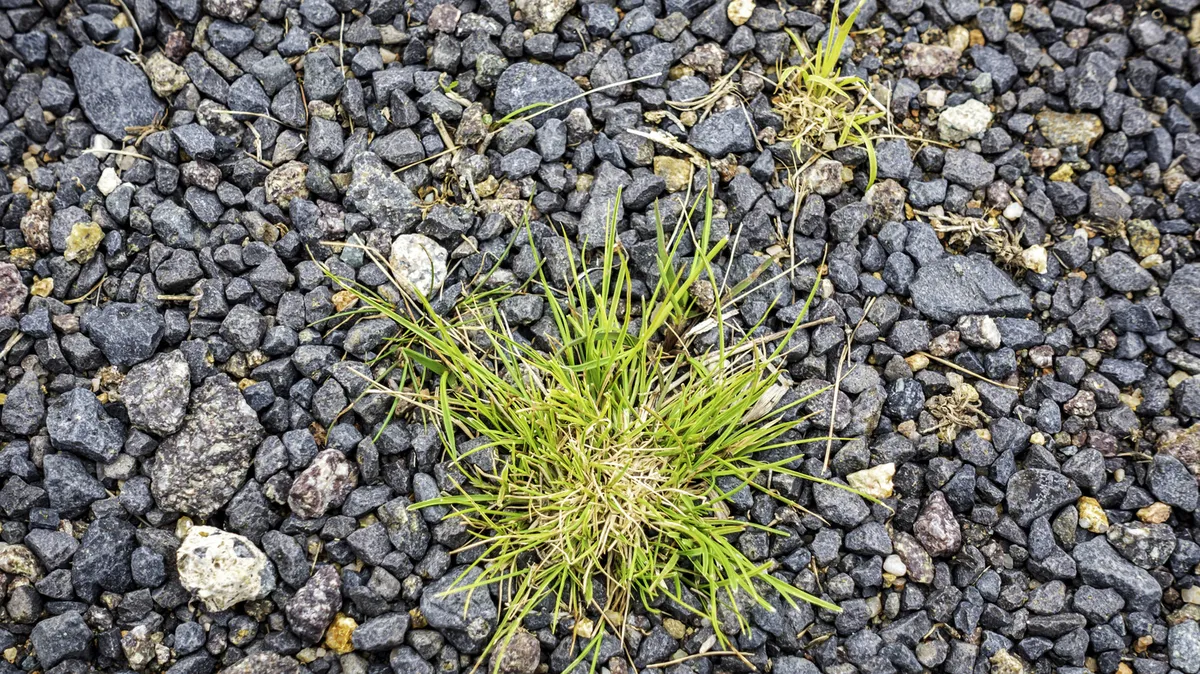
Photo: www.hunker.com
Chemical Weed Control: Pre-Emergent and Post-Emergent Solutions
For persistent weed problems, chemical solutions can be considered, but they should be applied judiciously. Pre-emergent herbicides are designed to prevent weed seeds from germinating. These products create a chemical barrier in the soil that kills seedlings as they sprout. They are most effective when applied in early spring before weeds typically emerge. It is important to follow application instructions carefully to avoid harming desirable plants or contaminating water sources.
Post-emergent herbicides are used to kill weeds that have already grown. These can be contact herbicides, which kill the parts of the plant they touch, or systemic herbicides, which are absorbed by the plant and move throughout its system, killing the entire plant including the roots. For gravel areas, selective herbicides are often preferred to target only weed species. However, caution must be exercised to prevent drift onto surrounding gardens or lawns.
Natural and Non-Chemical Weed Control Methods
Many homeowners prefer to avoid chemical herbicides due to environmental concerns. Fortunately, several natural methods can be effective. Boiling water poured directly onto weeds can kill them by scalding the plant tissue. While this is effective for spot treatment, it requires repeated applications and can be labor-intensive for large areas. Vinegar, particularly horticultural vinegar with a higher acetic acid content, can also act as a natural herbicide. When sprayed directly on weeds, it can desiccate and kill them, though it is non-selective and may damage nearby plants.
Another natural approach involves using a propane torch to burn weeds. The heat from the flame ruptures the plant's cell walls, causing it to die. This method is best suited for paved areas and driveways and requires careful use to prevent fire hazards. Salt can also be used, as it dehydrates plants and makes the soil inhospitable for future growth. However, excessive use of salt can permanently damage soil quality and is not recommended near garden beds or lawns.
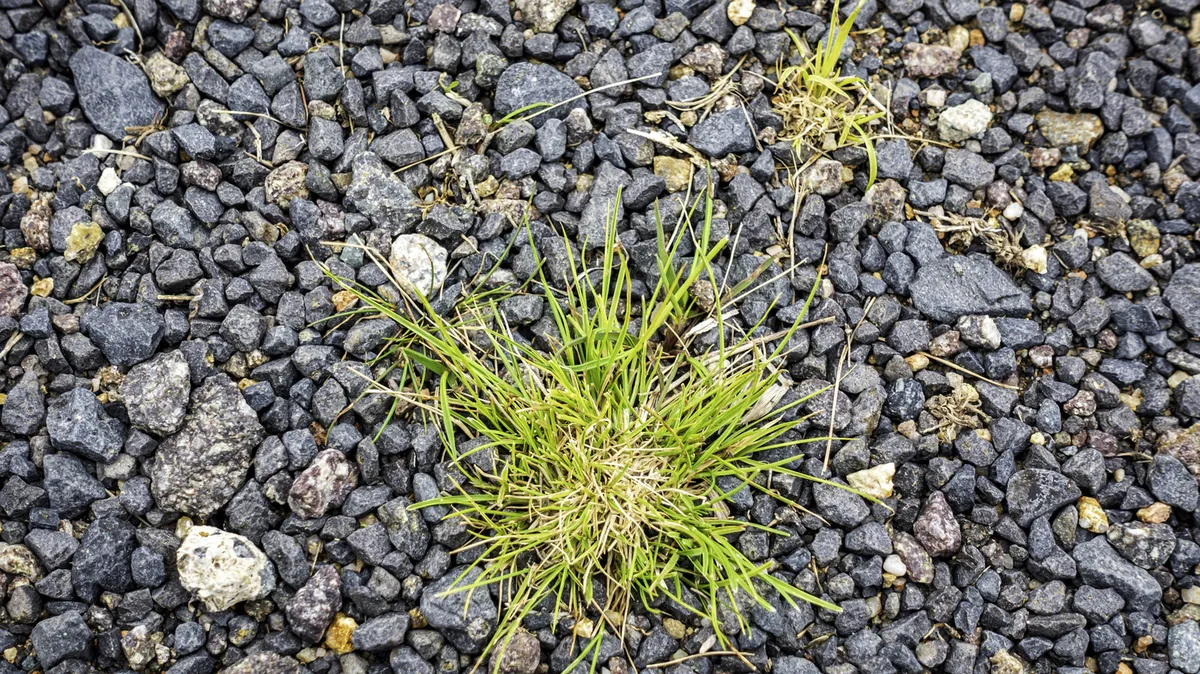
Photo: www.hunker.com
Physical Removal and Long-Term Maintenance
The most straightforward, albeit often labor-intensive, method of weed control in gravel is manual removal. Pulling weeds by hand, especially after a rain when the soil is moist, can be effective for removing the entire plant, including its roots. This is particularly important for perennial weeds that can regrow from root fragments.
Consistent physical removal, combined with preventative measures like maintaining the gravel layer and ensuring proper drainage, forms the backbone of a sustainable weed management plan. Regularly inspecting the gravel areas for early signs of weed growth allows for prompt intervention before the problem escalates. Implementing these practices ensures that gravel surfaces remain attractive and functional for years to come.
Impact Analysis
Effective weed management in gravel areas contributes significantly to the overall curb appeal and maintenance costs of a property. By preventing weed growth, homeowners can avoid the need for frequent, potentially costly, and environmentally impactful chemical treatments. Furthermore, well-maintained gravel surfaces enhance property value and reduce the risk of tripping hazards or damage caused by deeply rooted weeds. Implementing a combination of preventative barriers, regular physical maintenance, and targeted, eco-friendly removal methods offers the most sustainable and aesthetically pleasing solution for gravel landscapes.