In the bustling city of Nantong, located in China's eastern Jiangsu province, a unique educational phenomenon is rapidly gaining traction: free AI night classes. These courses, designed to upskill the local workforce, are witnessing overwhelming demand, attracting a diverse array of participants from delivery personnel and frontline employees to stay-at-home parents. The initiative aims to bridge the digital skills gap, enabling individuals to leverage artificial intelligence for career advancement in fields like video production and content creation. 
The program, a collaborative effort between local government bodies and educational institutions, reflects a broader national push to integrate AI technologies into the economy and daily life. By offering accessible training, Nantong is cultivating a population equipped with essential AI literacy and practical application skills. This proactive approach underscores the growing importance of AI in shaping future employment landscapes and enhancing productivity across various sectors.
Nantong's AI Education Initiative
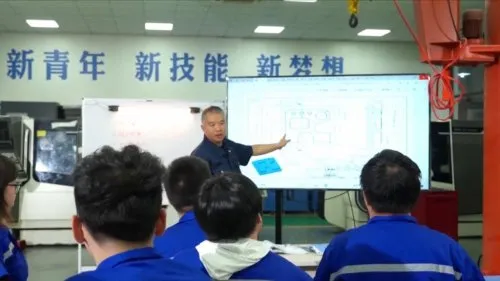
The curriculum at Nantong's AI night school is comprehensive, covering essential AI concepts and practical applications. Courses include video editing, graphic design, foundational AI principles, and hands-on skill development. Both introductory and advanced levels are offered, ensuring that participants can tailor their learning to their existing knowledge and career aspirations. The program's flexibility and accessibility make it an attractive option for those seeking to enhance their professional capabilities without disrupting their daily work schedules.
Training AI Promotion Officers
A key component of Nantong's strategy involves training 300 "AI Promotion Officers." These individuals are being groomed not only for their technical proficiency in AI but also for their ability to disseminate this knowledge effectively. The initiative aims to create a network of AI advocates and trainers who can further popularize AI technology throughout the region. This systematic approach addresses the potential shortage of qualified instructors as AI adoption accelerates.

Bao Dongbin, Director of the Vocational Capacity Building Division at the Nantong Human Resources and Social Security Bureau, highlighted the innovative nature of this training. "We are innovatively conducting training for AI Promotion Officers to address the shortage of instructors in the process of popularizing AI," he stated. "Our goal is to cultivate a group of professionals who possess AI thinking, can use AI tools, and are capable of promoting AI technology." This program is designed to foster a generation of AI-savvy professionals capable of driving technological advancement and innovation.
The Growing Demand for AI Skills in China
The surge in demand for AI education in Nantong mirrors a national trend in China. Data from the National Data Administration reveals a significant increase in the utilization of Large Language Models (LLMs), with average daily token calls escalating from 100 billion in early 2024 to 140 trillion by March of the same year. Tokens are the fundamental units of data that LLMs process to generate text and perform tasks.

This exponential growth in AI interaction signifies a profound shift in how businesses and individuals are engaging with technology. The widespread adoption of AI tools necessitates a parallel expansion of the workforce's understanding and ability to utilize these tools effectively. Nantong's initiative is a localized response to this larger digital transformation, equipping its citizens with the skills needed to thrive in an increasingly AI-driven economy. The city's commitment to fostering AI literacy positions it as a forward-thinking hub for technological development and workforce empowerment.
Impact Analysis
The success of Nantong's AI night school initiative has significant broader implications for China's digital transformation and workforce development strategies. By democratizing access to AI education, the program empowers individuals from all walks of life, potentially reducing income inequality and fostering a more skilled and adaptable workforce. This model could serve as a blueprint for other cities and regions seeking to harness the power of AI for economic growth and social progress.

Furthermore, the cultivation of AI Promotion Officers ensures a sustainable ecosystem for AI knowledge dissemination, creating a ripple effect that can accelerate technological adoption across industries. As China continues to invest heavily in AI research and development, initiatives like Nantong's are crucial for translating technological advancements into tangible economic and societal benefits. The high demand for these classes underscores a populace eager to embrace new technologies and secure their professional futures in the age of artificial intelligence.