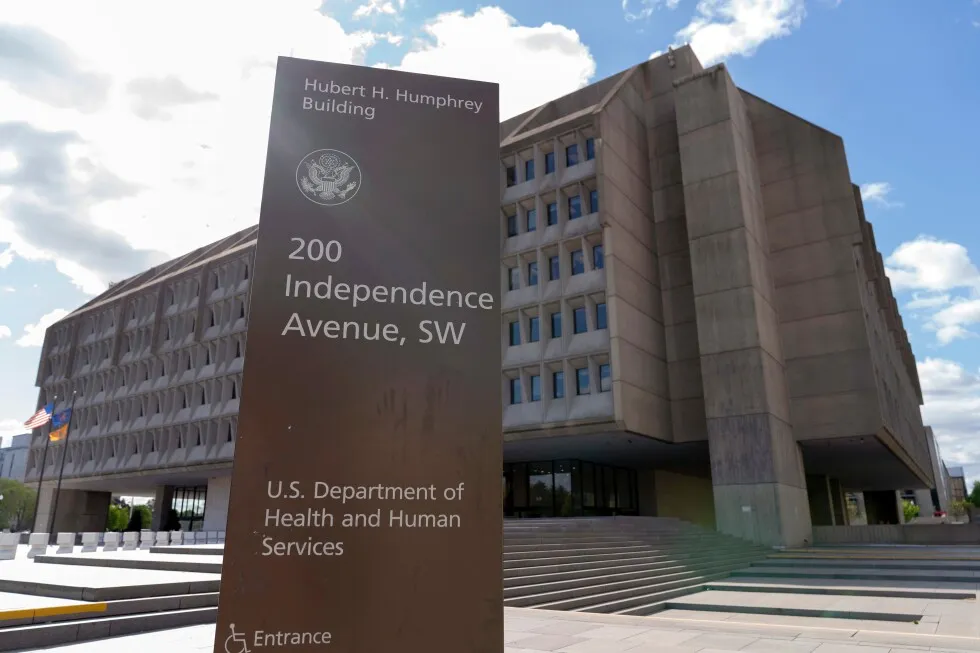
The U.S. Department of Health and Human Services (HHS) is significantly enhancing its efforts to detect and prevent healthcare fraud by integrating advanced artificial intelligence (AI) tools into its oversight of state audit reports. This strategic initiative aims to bolster the integrity of federal health programs by more rigorously scrutinizing how states and other entities manage federal funds. The department plans to utilize sophisticated AI, including natural language processing models akin to ChatGPT, to analyze audit submissions from all 50 states on an ongoing basis. This move represents a departure from traditional, often backlogged, auditing processes, offering a proactive and data-driven approach to identifying financial irregularities and potential fraud.
Gustav Chiarello, the assistant secretary for financial resources, highlighted the program's potential to transform the current audit landscape, which he described as historically leading to audits that were filed but inadequately acted upon. By employing AI, HHS aims to systematically parse these reports, uncovering patterns and anomalies that might otherwise go unnoticed. This initiative is part of a broader federal push to combat fraud across various sectors, including Medicaid and Medicare, with a specific focus on ensuring that recipients of federal health dollars are acting as responsible stewards of taxpayer money. The department has formally notified state governments of this enhanced oversight, emphasizing a commitment to resolving audit deficiencies more effectively.
HHS AI Initiative for Audit Oversight
The Department of Health and Human Services is implementing a new program that leverages artificial intelligence to scrutinize audit reports submitted by states and other recipients of federal health funding. This initiative is designed to identify and address potential fraud and mismanagement of funds more efficiently. The system will analyze audit reports from all 50 states, focusing on compliance with federal regulations and identifying any discrepancies or red flags that may indicate fraudulent activity. This proactive approach aims to prevent financial losses and ensure accountability in the distribution and use of federal health dollars.
The use of AI in this context is intended to supplement existing audit processes, providing a more comprehensive and timely review. By automating the initial stages of analysis, HHS can focus its human resources on the most critical cases, thereby increasing the overall effectiveness of its fraud detection capabilities. The department has communicated its new strategy to state officials, outlining expectations for audit compliance and resolution of identified issues.
AI in Fraud Detection and Prevention
The integration of AI into fraud detection is a rapidly evolving field, with applications across numerous sectors. In healthcare, AI algorithms can process vast datasets to identify complex fraud schemes that are difficult for human auditors to detect. These systems can analyze billing patterns, patient records, and provider behavior to flag suspicious activities in real-time. For instance, AI can identify duplicate billing, phantom billing, or unnecessary services being provided, which are common indicators of fraud. The use of generative AI, such as ChatGPT, also allows for the analysis of unstructured data within audit reports, extracting key information and identifying potential risks more effectively.
However, the deployment of AI in such sensitive areas also raises concerns about accuracy, potential biases, and data privacy. Critics have pointed out that AI models can sometimes produce errors or perpetuate existing biases if not carefully developed and monitored. HHS acknowledges these concerns and states that the AI tools are being used to review existing reports, not to generate new allegations without corroborating evidence. The department emphasizes that human oversight remains a critical component of the fraud detection process, ensuring that AI-driven insights are validated before any action is taken.
Federal Efforts Against Healthcare Fraud
The current administration has placed a significant emphasis on combating fraud within federal programs, including healthcare. Initiatives have been launched to crack down on waste, fraud, and abuse in programs like Medicare and Medicaid. These efforts often involve cross-agency collaboration and the utilization of advanced technologies, including AI, to enhance detection capabilities. The goal is to safeguard taxpayer money and ensure the sustainability of vital health programs.
The focus on fraud prevention is also seen as a political strategy, with certain initiatives highlighted to demonstrate a commitment to fiscal responsibility and consumer protection. While the administration promotes these anti-fraud efforts, there have been instances where such initiatives have faced scrutiny. For example, the AP reported on a major mistake in data used to justify a New York Medicaid fraud investigation, illustrating the importance of accuracy and careful verification in these sensitive operations. The successful implementation of AI will depend on robust validation processes and a commitment to transparency and fairness in its application.
Impact Analysis
The HHS initiative to use AI for analyzing state audits marks a significant advancement in government oversight and fraud prevention within the healthcare sector. By employing sophisticated AI tools, the department aims to enhance efficiency, accuracy, and timeliness in detecting fraudulent activities, potentially saving billions of dollars annually. This proactive approach could lead to a more robust and trustworthy system for managing federal health funds. However, the success of this initiative hinges on careful implementation, continuous monitoring for biases and errors, and maintaining human oversight to ensure fairness and accuracy in all enforcement actions. This model could also serve as a blueprint for other federal agencies seeking to modernize their own oversight mechanisms using AI.