In a significant legal development, OpenAI has successfully defended itself against claims brought forth by co-founder Elon Musk. A federal court in Oakland, California, dismissed Musk's lawsuit, which alleged that the artificial intelligence company and its leadership, including CEO Sam Altman, had strayed from its original mission as a non-profit entity dedicated to the betterment of humanity. This ruling allows OpenAI to proceed with its ambitious growth trajectory, including its anticipated initial public offering (IPO), which is expected to be one of the largest in history.
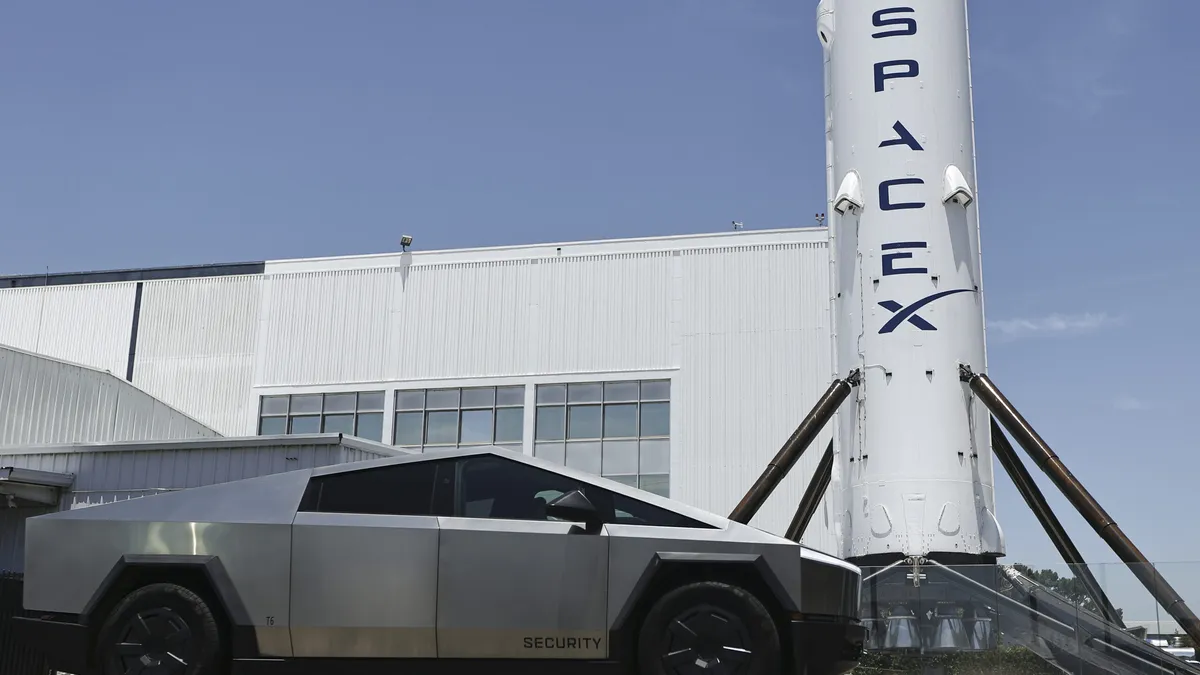
The trial, which spanned three weeks, featured testimony from prominent figures in the tech industry and revealed internal disputes and personal rivalries at the highest levels of AI development. Musk had sought to remove Altman from his position and argued that OpenAI had violated its founding principles by prioritizing commercial interests over its non-profit mandate. OpenAI countered that Musk's lawsuit was an attempt to undermine the company's success and boost his own AI ventures, notably xAI.
Legal Resolution and AI Governance
The jury's decision to dismiss Musk's claims was primarily based on a technicality: the lawsuit was found to have missed a statutory deadline for filing. This legal resolution, however, does little to quell the broader societal concerns surrounding the rapid advancement of artificial intelligence and its governance. The trial served as a stark reminder of the concentrated power wielded by a few billionaires in shaping the future of AI, as noted by Sarah Kreps, director of Cornell University’s Tech Policy Institute.
Kreps highlighted that such disputes underscore the significant influence of personal rivalries among key figures in the AI sector. The proceedings brought to light the tension between the developers of advanced AI systems and the public, who are increasingly impacted by this technology's societal implications. The case also touched upon allegations of dishonesty leveled against Altman by former board members, although these points were secondary to the legal basis for the dismissal.
Impact on the AI Landscape and Industry Figures
The courtroom drama provided a public window into the often-turbulent dynamics of Silicon Valley, with internal communications and personal exchanges becoming evidence. This highly publicized dispute between Musk and OpenAI, while resolved legally, exposes the complex and sometimes contentious nature of innovation in the artificial intelligence field. The outcome, while a legal win for OpenAI, has not entirely insulated the company or its leadership from scrutiny regarding their governance and transparency.
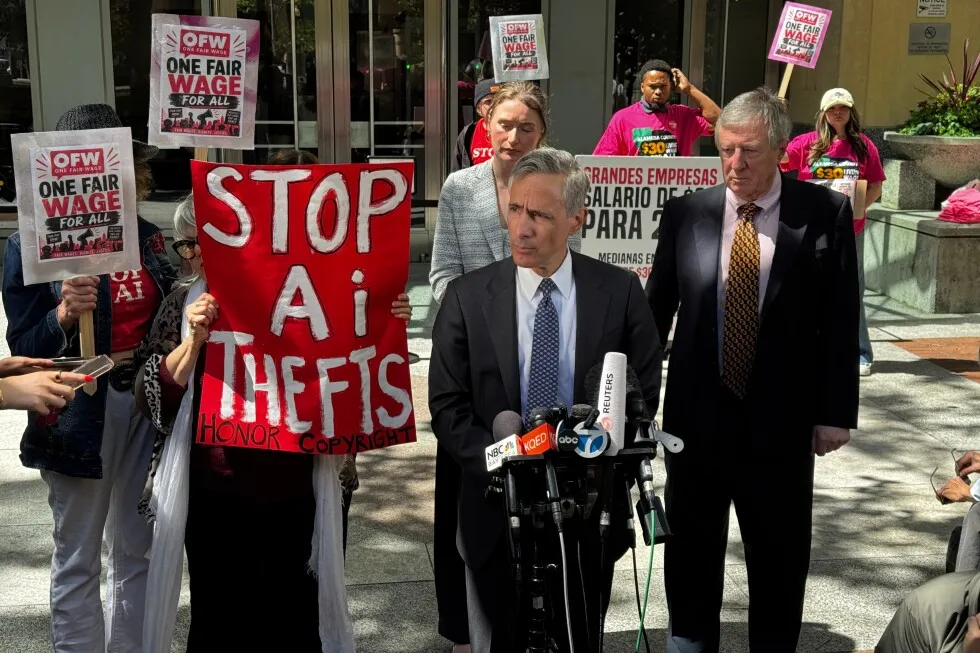
The trial's backdrop was a period of increasing global anxiety over AI's potential impact on employment, mental well-being, and even existential risks. Protesters outside the courthouse voiced concerns that the personal conflicts of tech titans like Musk and Altman overshadowed the needs of ordinary people affected by the burgeoning AI industry. Legal experts suggest that while this specific lawsuit is concluded, the underlying issues of AI safety, ethics, and control remain critical areas for public and regulatory attention.
Broader Implications and Future of AI Development
The legal victory for OpenAI occurs at a time when several major players in the AI space, including OpenAI, Musk's xAI, and Anthropic (formed by former OpenAI executives), are reportedly planning significant IPOs. This competitive environment, marked by intense innovation and substantial financial stakes, raises questions about the future trajectory of AI development and its accessibility. The trial's exposure of internal discord and personal ambitions could influence public perception and regulatory approaches to AI companies.
While the court's decision focused on procedural grounds, the underlying debate about the responsible development and deployment of artificial intelligence continues. The case serves as a case study in the challenges of governing rapidly evolving technologies, particularly when they are driven by a small number of influential individuals and powerful corporations. The future of AI, therefore, hinges not only on technological breakthroughs but also on robust ethical frameworks and transparent governance structures.