An extraordinary archaeological discovery in Australia has unearthed a 950-year-old burial of a dingo, providing compelling evidence of a long-standing human tradition of ritually "feeding" animal graves. This practice, observed for approximately 500 years, involved the consistent offering of river mussels to the deceased dingo's resting place. Radiocarbon dating of the site has shed light on this unique cultural practice, suggesting a profound reverence and a deep emotional connection between the dingo and the people who cared for it, believed to be ancestors of the Aboriginal Barkindji people. The findings highlight the enduring nature of these bonds and their transmission across generations.
The discovery offers a rare glimpse into the complex relationship between humans and animals in ancient Australia. Researchers interpret the ongoing addition of mussel shells as a symbolic continuation of care and remembrance, mirroring practices seen in many cultures where descendants offer gifts to honor the deceased. This extended period of ritualistic offering underscores the dingo's significant status, not merely as a pet or hunting companion, but as a revered ancestral figure within the community. The study, a collaborative effort involving archaeologists and Barkindji Elders, emphasizes the importance of Indigenous knowledge in interpreting archaeological findings.
Ritualistic Offerings and Cultural Significance
The dingo was interred within a midden, a mound composed of discarded river mussel shells, a common feature in areas where Barkindji ancestors resided. This practice was not unusual, as dingoes were domesticated for companionship and as aids in hunting. Mussels were a staple food source, and their shells accumulated over time. However, the critical distinction in this case, informed by the input of Barkindji Elders, is the interpretation of these shell additions as deliberate, ritualistic offerings rather than mere refuse. This understanding provides an Indigenous perspective on the purpose behind the ongoing deposition of shells long after the initial burial.
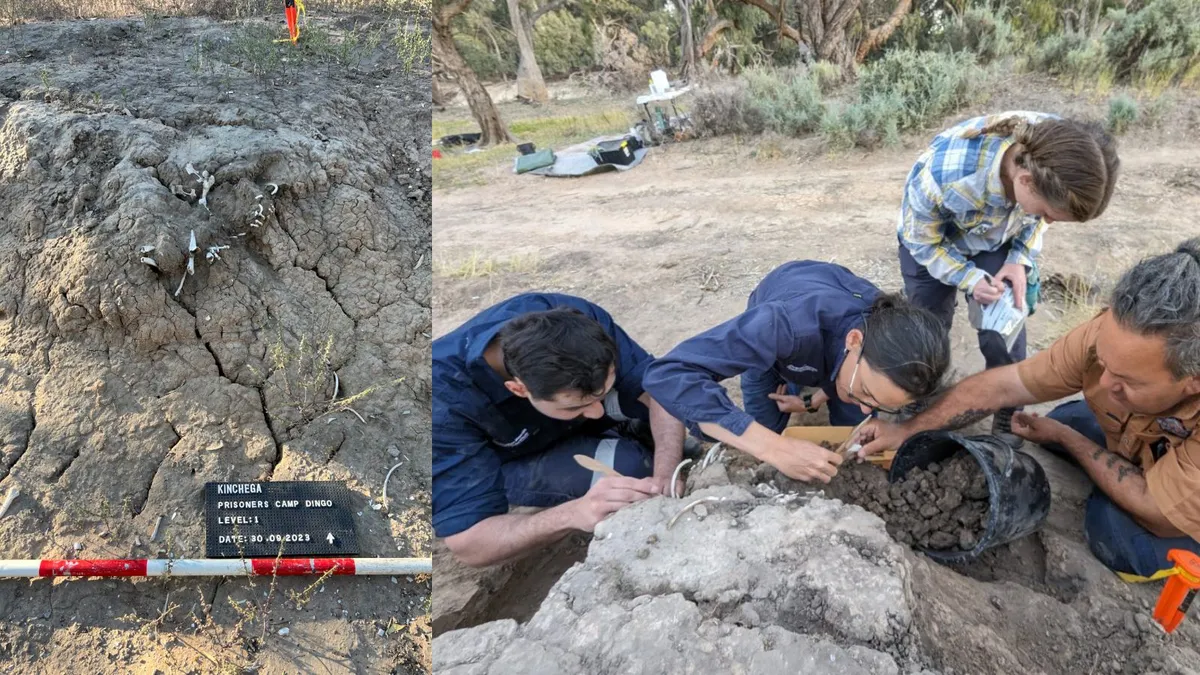
The collaborative excavation, initiated at the request of the Menindee Aboriginal Elders Council, involved close cooperation with Barkindji custodians. The dingo's remains, carefully excavated to preserve them from natural elements like floods, were analyzed to reveal details about its life. The skeletal evidence indicated a male dingo, aged between 4 and 7 years at death, which occurred between 916 and 963 years ago. 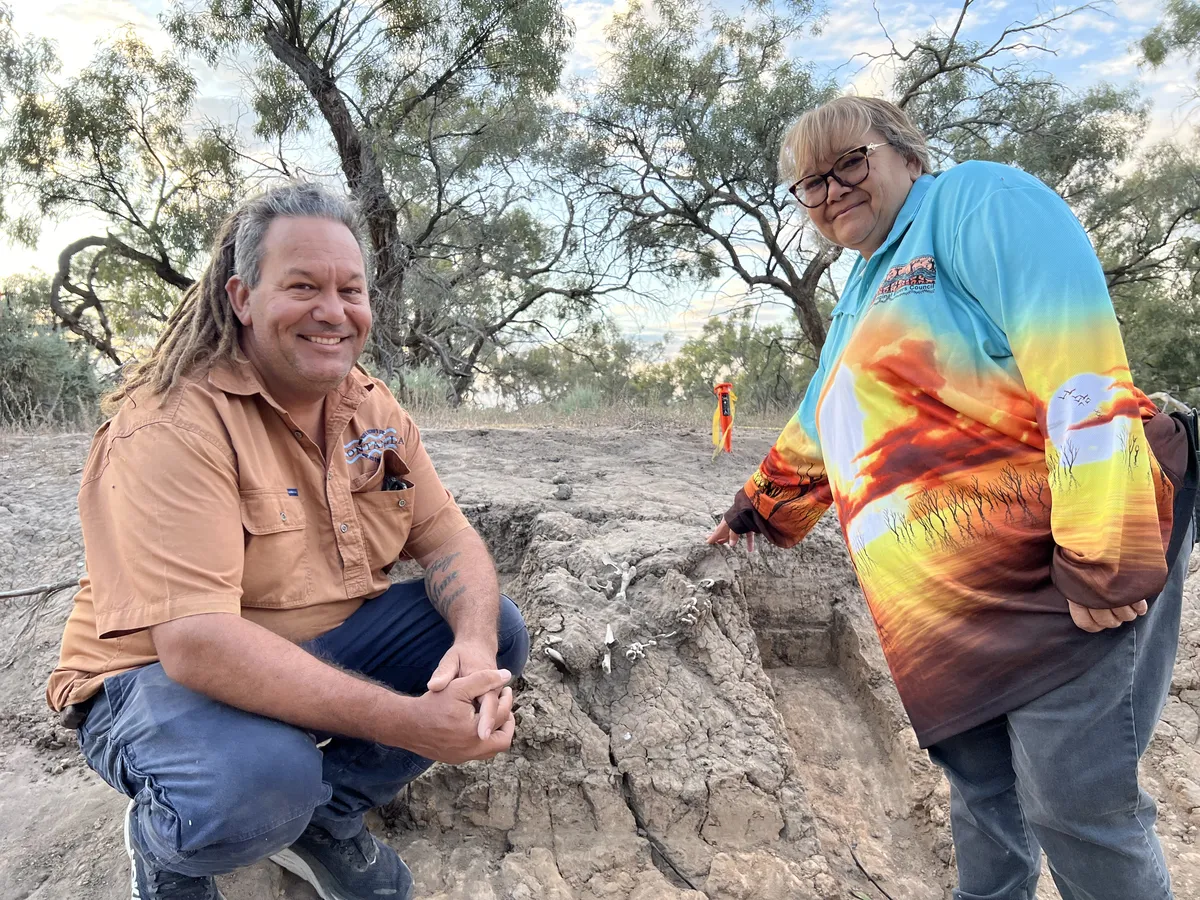 The preservation of the skeleton allowed for detailed examination, revealing healed injuries on its ribs and leg, consistent with trauma such as being kicked by a kangaroo. This suggests the dingo received significant care from its human companions, enabling its survival and recovery.
Interpreting the Dingo's Life and Death
The analysis of the dingo's skeletal remains provided crucial insights into its life history. The wear patterns on its teeth indicated it lived a relatively long life for a dingo, and the presence of healed traumatic injuries pointed to a history of survival against significant physical challenges. These injuries, likely sustained from encounters with larger native fauna, suggest that the dingo was not abandoned but rather cared for by its human caretakers, allowing it to recover and continue its life.
The dating of four mussel shell fragments from the midden confirmed that three of these fragments were several centuries younger than the dingo's remains. This temporal discrepancy is key to understanding the ritualistic nature of the practice. The researchers propose that successive generations of Barkindji people returned to the burial site to add mussel shells, a symbolic act of "feeding" their "garli" (the Barkindji word for dingo ancestor). This continuity of ritual practice over an extended period highlights the dingo's deep cultural importance and the lasting memory of its existence.
Archaeological Context and Indigenous Knowledge
This finding expands the known geographical area along the Darling River where dingo burials have been documented by archaeologists. Crucially, it adds a new layer of understanding by identifying the specific practice of ritualistic feeding, previously unconfirmed in this region. The involvement of Barkindji Elders was instrumental in providing the cultural context necessary to interpret the archaeological evidence accurately. Their insights transformed the understanding of the dingo's burial from a simple interment to a site of continuous ritual observance.
The study, published in Australian Archaeology, emphasizes the profound connections that Indigenous Australians maintain with their ancestral past. The continuous act of adding mussel shells served as a tangible way to remember and honor the dingo ancestor, reinforcing cultural narratives and traditions across generations. This archaeological discovery serves as a powerful reminder of the complex and enduring relationships that have existed between humans and animals throughout history.