Volcanic formations are some of the most awe-inspiring and formidable geological structures on our planet, drawing millions of visitors annually and commanding the dedicated attention of scientific researchers. Earth hosts a vast array of volcanoes, categorized by their eruption history as active, dormant, or extinct. These dramatic landforms are predominantly found along convergent plate boundaries, particularly in regions like the Pacific Ring of Fire, where tectonic plates interact. Iconic examples include Arthur's Seat in Edinburgh, Scotland, an extinct volcano, and the supervolcano at Yellowstone in the USA, highlighting the diverse manifestations of volcanic activity across the globe.
The classification of volcanoes is a subject of ongoing scientific interest, with distinctions drawn between standard volcanoes and the far more immense supervolcanoes. Understanding these differences is crucial for assessing geological risks and comprehending planetary evolution. While the visual spectacle of volcanic cones is familiar, the subterranean processes and the sheer scale of some volcanic systems are less commonly appreciated. This exploration delves into the defining characteristics of these geological marvels and identifies the largest known examples, both on land and beneath the ocean's surface.
Volcanic Giants: Distinguishing Volcanoes from Supervolcanoes
The primary differentiator between a standard volcano and a supervolcano lies in their sheer scale and eruptive potential. A supervolcano is defined by its capacity to produce a Volcanic Explosivity Index (VEI) magnitude of eight. This classification signifies an eruption that expels an estimated minimum of 1,000 cubic kilometers of material, a volume approximately one thousand times greater than that of a large, conventional volcanic eruption. 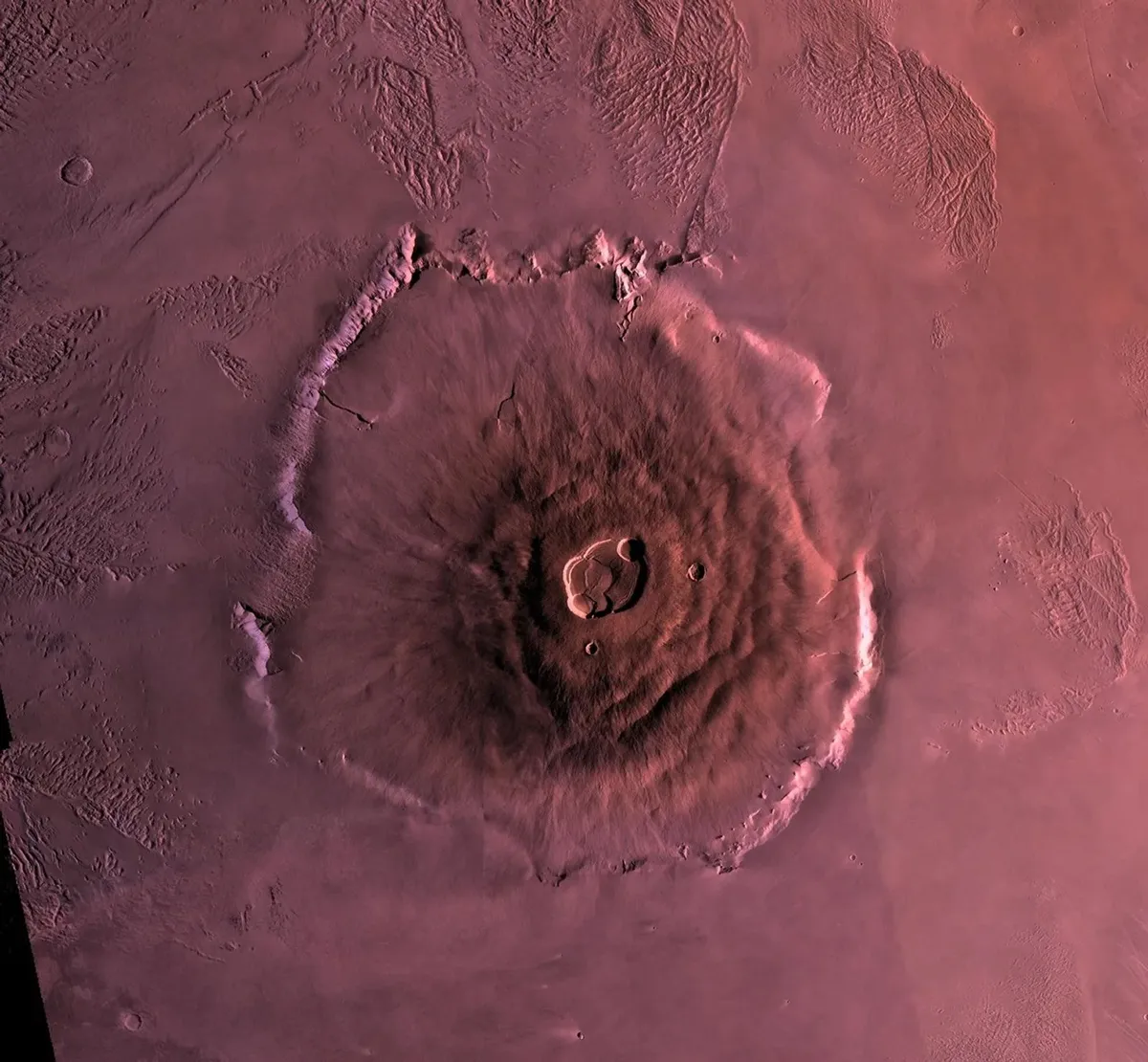 The aftermath of a supervolcano eruption is also distinct; instead of forming a classic cone shape from cooling lava, it typically results in a caldera, a large depression on the Earth's surface, often surrounded by a ridge of elevated land.
Furthermore, the frequency of eruptions for supervolcanoes is drastically lower than for regular volcanoes, occurring on timescales of hundreds of thousands of years, compared to the much shorter intervals for typical volcanic systems. This infrequency, combined with the immense scale of their eruptions, makes supervolcanoes rare but highly significant geological events. Yellowstone National Park in the United States is a prime example, recognized globally for its supervolcanic potential, though it is not the largest such formation identified to date.
The World's Largest Volcano: Tamu Massif
When considering the largest volcano on Earth, the title belongs to Tamu Massif, an underwater shield volcano located in the northwestern Pacific Ocean, approximately 1,600 kilometers east of Japan. This colossal structure rests on an elevated region of the seafloor and covers an astonishing area of 310,000 square kilometers. For perspective, this area is larger than the U.S. state of Washington. The sheer magnitude of Tamu Massif is further emphasized by its subterranean extent, with its base extending roughly 30 kilometers into the Earth's crust.
Scientific research, including studies published in journals like Nature Geoscience, suggests that Tamu Massif is comparable in size to Olympus Mons on Mars, which holds the record for the largest volcano in our solar system. Tamu Massif is estimated to have formed over 145 million years ago during the Cretaceous period and has been geologically inactive for millions of years, rendering it an extinct geological feature. Its discovery and characterization have significantly advanced our understanding of volcanic processes and planetary geology.
Land-Based Giants: Mauna Loa
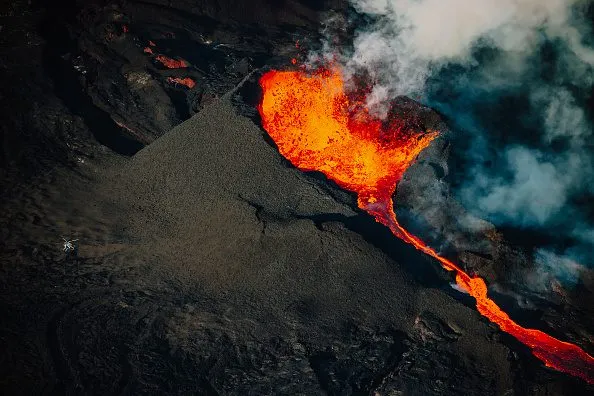
Prior to the definitive identification of Tamu Massif's scale, Mauna Loa in Hawaiʻi was widely recognized as the largest volcano on Earth. Mauna Loa is a shield volcano and remains an active geological entity. Its immense volume and sprawling slopes make it a significant feature of the Hawaiian Islands. Unlike Tamu Massif, which is a singular, massive edifice formed by a unique outpouring of lava, Mauna Loa is part of a volcanic hotspot system characteristic of the Hawaiian archipelago.
The recent activity of Mauna Loa, including its eruption in late 2022, serves as a reminder of its dynamic nature and its continued role in shaping the landscape of the island of Hawaiʻi. While it may not match the volumetric scale of Tamu Massif, Mauna Loa represents a prime example of a massive, active terrestrial volcano, offering invaluable insights into volcanic processes and the Earth's internal heat.
Impact Analysis
The study and identification of massive volcanic structures like Tamu Massif and Mauna Loa have profound implications for our understanding of plate tectonics, mantle plumes, and the processes that shape planetary surfaces. The existence of such enormous volcanic formations challenges and refines existing geological models, providing data that informs our comprehension of Earth's thermal evolution and the distribution of volcanic activity across different planetary bodies. Furthermore, understanding the scale and frequency of past eruptions, especially from supervolcanoes, is critical for long-term hazard assessment and preparedness, informing geological surveys and emergency management strategies worldwide.