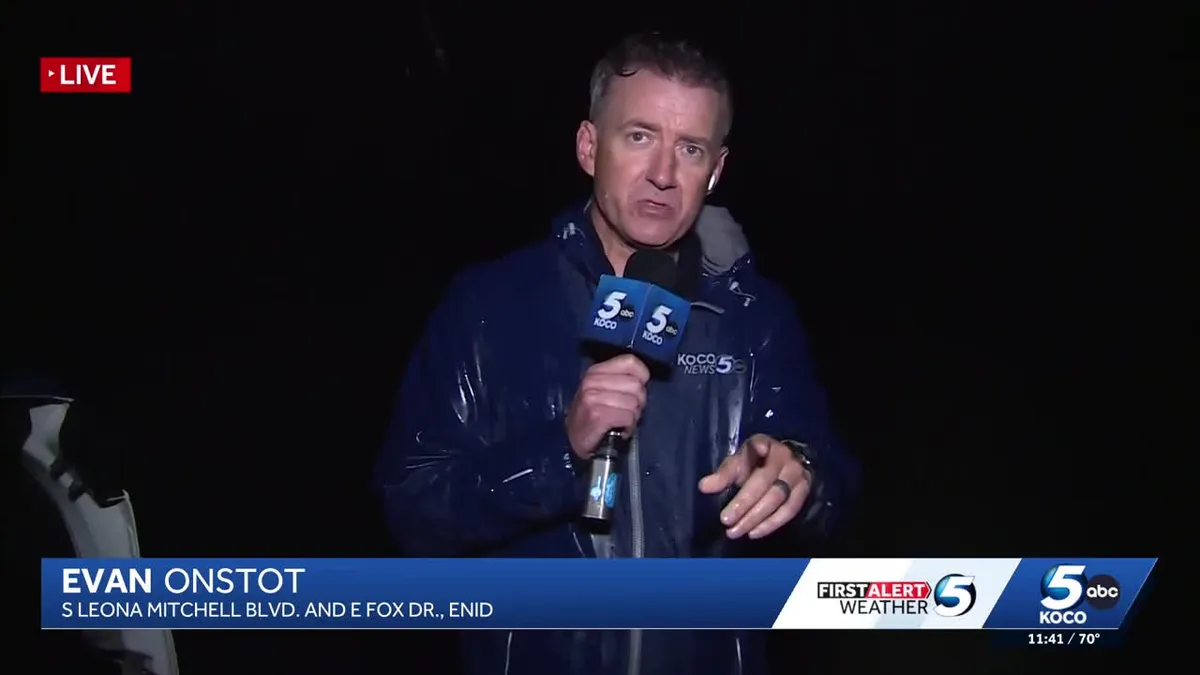
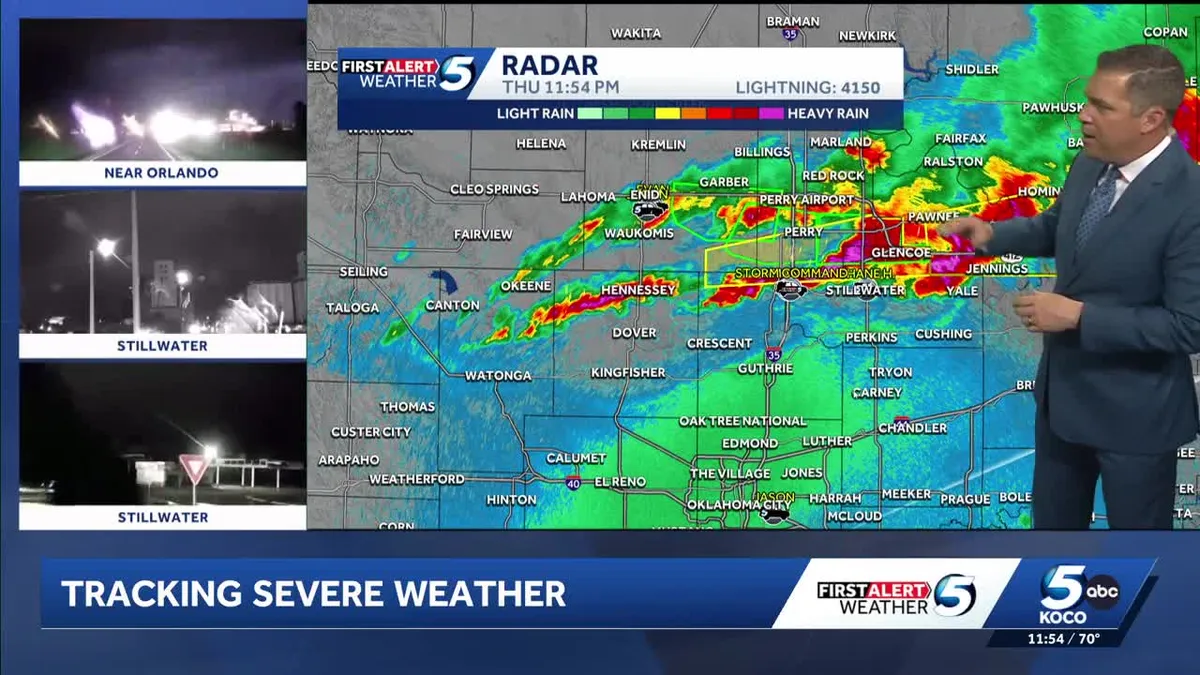
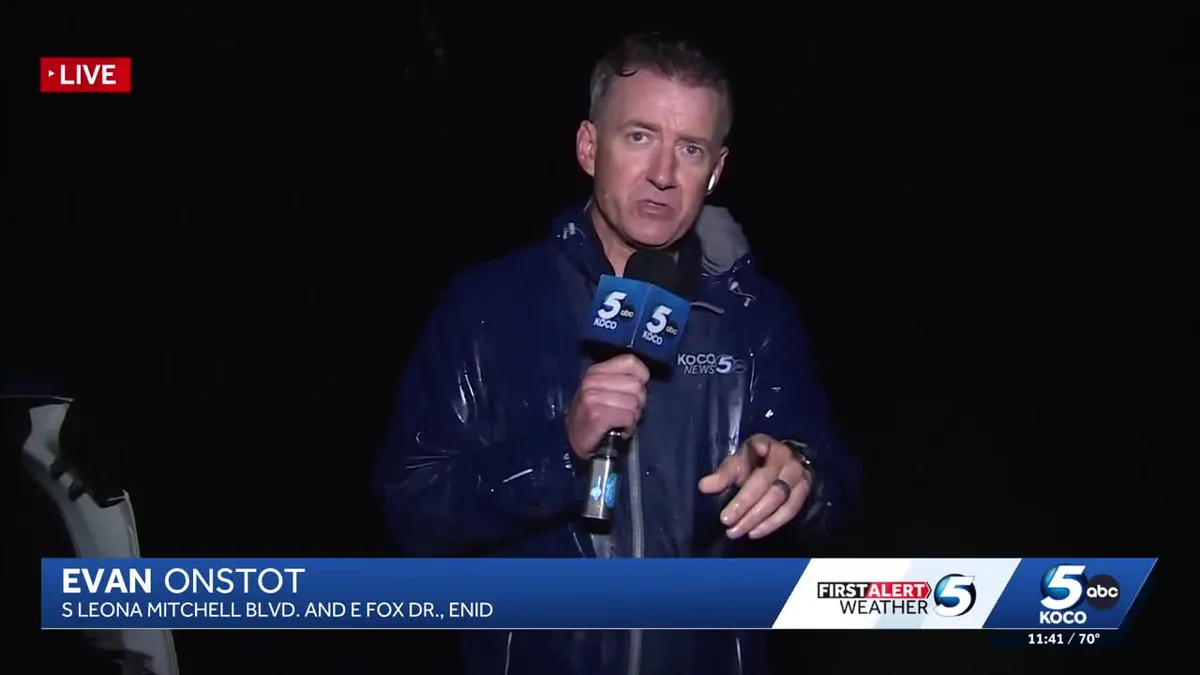
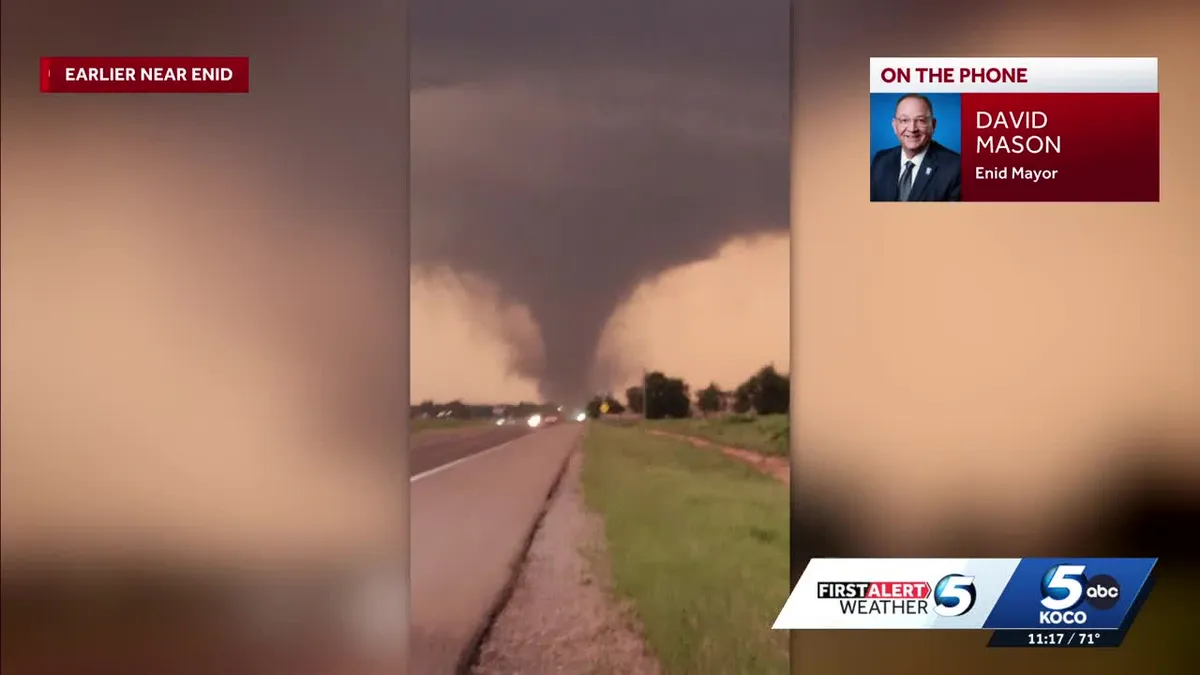
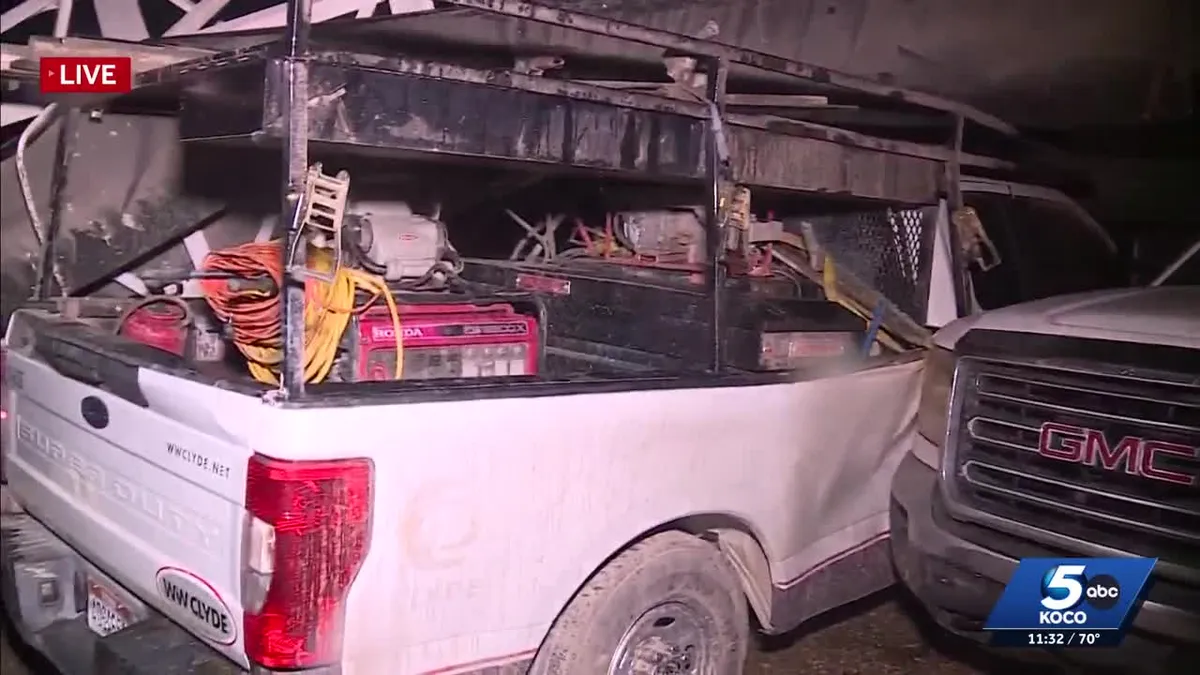
Residents in and around Enid, Oklahoma, are beginning the arduous task of assessing the damage and searching for livestock in the wake of a powerful tornado that swept through the region. The storm, which brought significant destruction to homes, businesses, and agricultural properties, has left a trail of devastation, prompting immediate calls for assistance and community support. The immediate aftermath is characterized by widespread debris, structural damage, and a palpable sense of loss among those affected.
The economic and emotional toll on the agricultural community is particularly high. Many farms in the affected areas have reported substantial losses, ranging from damaged outbuildings and fences to the displacement or loss of livestock. The search for missing animals is a critical concern for farmers, as these animals represent not only a livelihood but also a significant emotional investment. Emergency services and volunteers are working alongside residents to locate and assist any affected animals.
Tornado Aftermath and Livestock Recovery
The immediate hours following the tornado's passage were focused on ensuring human safety and assessing critical infrastructure damage. As the skies cleared, the focus shifted to the widespread agricultural impacts. Farmers are meticulously combing through their properties, often with the help of neighbors and local volunteers, to account for every animal. Reports indicate that some livestock have been injured, while others have been found miles from their pastures, disoriented and requiring care.
 The physical destruction to farm infrastructure presents immediate challenges for animal welfare. Broken fences have allowed animals to wander, increasing the risk of them getting lost or injured further. Damaged barns and shelters leave animals exposed to the elements, necessitating urgent temporary housing solutions. The recovery process for these farms will involve not only rebuilding structures but also a thorough inventory and veterinary assessment of the remaining livestock herd.
Assessing the Damage to Agricultural Infrastructure
The tornado's path carved a swathe of destruction through rural landscapes surrounding Enid. Agricultural buildings, including barns, storage sheds, and grain silos, have suffered extensive damage, with many structures being completely leveled. This destruction not only impacts the immediate housing and feeding of animals but also affects the storage of feed and equipment essential for farm operations.
 The loss of fencing is a widespread issue, creating immediate safety concerns for livestock. Animals that have escaped damaged enclosures pose a risk to themselves and to traffic on nearby roads. Rebuilding fences is a labor-intensive and costly endeavor, and many farmers are facing significant financial strain due to the combined losses. Local agricultural organizations are coordinating efforts to provide materials and labor to help expedite the repair of essential fencing.
Community Response and Support Efforts
In the face of such widespread devastation, the Enid community and surrounding areas have mobilized a significant support network. Volunteers have been instrumental in the search for lost livestock and in assisting with the cleanup of damaged properties. Local animal shelters and veterinary clinics have offered their services to treat injured animals and provide temporary refuge for displaced livestock.
 The coordination of aid is crucial. Organizations like the American Red Cross have established shelters for residents displaced by the storm, and these facilities are also becoming hubs for coordinating agricultural relief efforts. The long-term recovery will require sustained support, including financial assistance for rebuilding and veterinary care for animals affected by the tornado.
Economic and Long-Term Implications
The economic repercussions for the agricultural sector in the Enid region are substantial and will likely be felt for months, if not years, to come. The loss of livestock, damage to feed supplies, and destruction of infrastructure represent significant financial setbacks for individual farmers and the broader agricultural economy of the area. Rebuilding efforts will be hampered by the immediate need for resources and the potential for further weather disruptions.
Beyond the immediate financial costs, there are also critical considerations regarding the psychological impact on farmers and their families. The trauma of experiencing such a destructive event, coupled with the immense pressure of recovery, can take a significant toll. Support systems that address both the physical and mental well-being of those affected are vital for a resilient recovery.