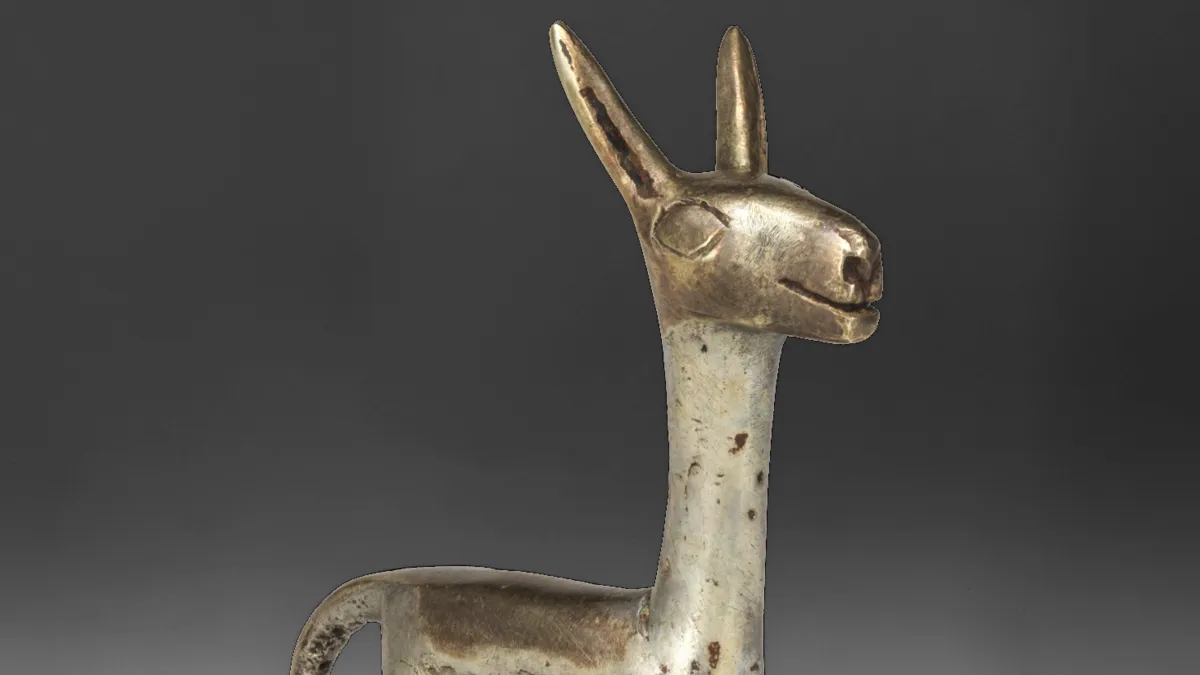
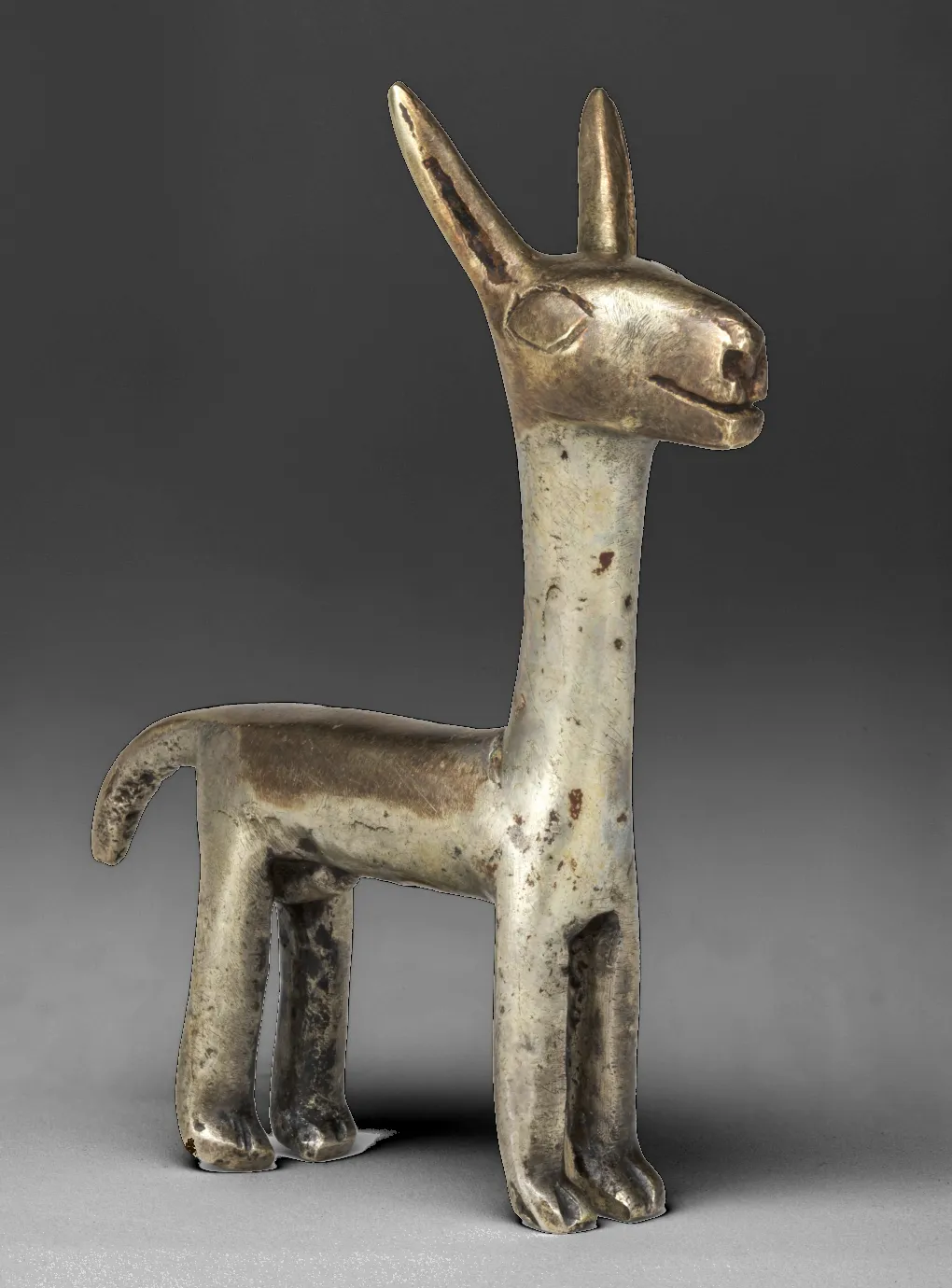
An exquisite silver figurine, meticulously crafted by the Inca civilization approximately 600 years ago, offers a tangible connection to the spiritual and daily practices of this ancient Andean society. This miniature camelid effigy, believed to represent a llama (Lama glama) or possibly an alpaca (Lama pacos or Vicugna pacos), stands just over 2 inches (5.1 centimeters) tall. Fashioned from a silver alloy, it was discovered and is now housed by The Metropolitan Museum of Art, showcasing the artistry and cultural significance of the Inca people.
The effigy's intricate details, including its expressive eyes, delicate nostrils, clearly defined toes, and a distinctive wry smile, were skillfully added by an Inca artisan after the casting process. Such objects were designated as "huacas" – sacred entities, places, or items deeply revered within the Inca societal framework. The creation and veneration of these artifacts underscore the profound spiritual importance that animals, particularly camelids, held in Inca culture, extending beyond their utilitarian roles into the realm of the divine.
The Multifaceted Significance of Camelids in Inca Society
Utility and Domestication
The Inca Empire, which flourished in the Andes for centuries, relied heavily on llamas and alpacas for a remarkably diverse array of purposes. These animals were not merely beasts of burden; they were integral to the economic and social fabric of the empire. Their ability to traverse rugged mountainous terrain made them essential for transporting goods across vast distances, facilitating trade and communication throughout the sprawling Inca territories.
Beyond their role in logistics, camelids provided crucial resources for daily life. Their meat was a valuable source of protein, their wool was meticulously woven into textiles for clothing and other uses, and their hides were fashioned into footwear and other essential items. Even less obvious parts of the animals served vital functions: their droppings were collected and utilized as effective fuel for cooking and heating, as well as a potent fertilizer for agricultural lands. Medicinal applications also existed, with animal fat being consumed for therapeutic purposes, highlighting the comprehensive reliance on these animals.
Ritualistic and Ceremonial Roles
Beyond their practical applications, llamas and alpacas played a central role in the spiritual and ceremonial life of the Inca. The miniature silver llama effigy itself is believed to have been created for use in the "capac hucha" ritual. This significant annual ceremony, performed in Cuzco, the empire's capital, involved solemn acts of sacrifice to commemorate major events. These events could range from critical environmental shifts, such as droughts, to the passing of an emperor or the territorial expansion of the empire.
The capac hucha ritual frequently included the sacrifice of llamas, maize, and even children. Artifacts discovered at capac hucha sites often include finely crafted metal and shell figurines, some of which were adorned with textiles and feathers, believed to possess sacred power. The discovery of 11 camelid figurines made of silver, gold, and shell alongside the famous "Children of Llullaillaco"—Inca child mummies unearthed in 1999—further emphasizes the profound connection between llama effigies and the Inca's funerary practices and beliefs about the afterlife.
Archaeological Discoveries and Cultural Legacy
The "Huaca" and its Contemporary Echoes
The silver llama figurine exemplifies the concept of a "huaca," a term encompassing sacred beings, places, and objects that formed the cornerstone of Inca reverence. These huacas were imbued with spiritual energy and were central to the Inca's worldview, mediating their relationship with the natural and supernatural realms.
The enduring legacy of the llama's significance in Inca culture is not confined to archaeological findings. Its cultural imprint is so strong that it has even permeated popular modern media. The character of Kuzco in Disney's animated film "The Emperor's New Groove" (2000) is famously transformed into a llama, a depiction that bears a striking resemblance to the 600-year-old miniature camelid effigy, underscoring the persistent cultural resonance of this animal and its association with the Inca civilization.