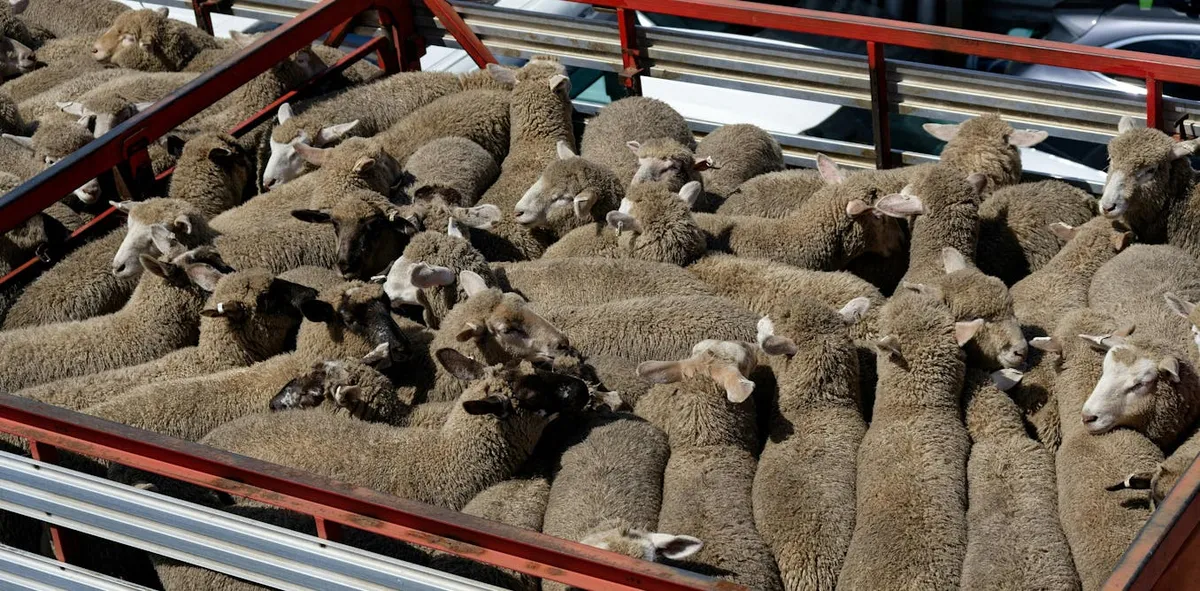
A recent, groundbreaking study has illuminated the often-overlooked dangers faced by livestock during transport and their time at saleyards across New South Wales, Australia. The research, published in the journal Animal Welfare, is the first to systematically document mortality rates for cattle and sheep within these critical logistical phases. This investigation was prompted by harrowing incidents, such as a semi-trailer fire where approximately 60 cows were forced to make a perilous escape onto a highway, resulting in injuries and fatalities, underscoring the inherent risks in livestock movement.
The transport of farm animals, whether to saleyards, between properties, or to slaughterhouses, is a routine yet inherently stressful process. Animals frequently experience injuries or succumb to mortality during these journeys, with many arriving at their destination in such a compromised state that euthanasia becomes the only recourse. The study aims to bridge a significant gap in scientific understanding, providing crucial data on what transpires with these animals once they enter the saleyard system.
Investigating Livestock Mortality at Saleyards
The comprehensive study was made possible through a vital collaboration with veterinarians from the NSW Department of Primary Industries. These professionals provided access to data meticulously recorded within the National Livestock Identification System (NLIS), a mandatory repository for information on animals that die either during transit or shortly after their arrival at saleyards. This data forms the bedrock of the research, enabling an in-depth analysis of the circumstances surrounding livestock deaths.
Researchers meticulously analyzed mortality data collected from cattle and sheep processed at a select group of New South Wales saleyards over a four-year period, from January 2021 to December 2024. The investigation extended to identifying potential risk factors that could exacerbate the likelihood of death, including environmental variables such as weather conditions, as well as logistical elements like the size and geographical placement of the saleyards themselves.
Defining and Quantifying Sale Mortality Rates
Sale mortality rates, as defined in this study, encompass a broad spectrum of losses. This includes animals discovered deceased upon arrival in transport vehicles, those requiring immediate euthanasia due to severe illness or injury sustained during transit, and any animals that perish while being held within the saleyard premises pending sale. This holistic definition ensures a complete picture of the losses occurring during this critical juncture.
The findings indicate that, on average, the mortality rate per sale day stood at 0.016% for cattle and a more significant 0.096% for sheep. When extrapolated, this translates to approximately one cattle death for every 6,000 animals and one sheep death for every 1,000 animals on any given sale day. These figures, while seemingly small on a per-day basis, represent substantial numbers when considered across the entirety of the industry.
Annualized Mortality and Contributing Factors
When these daily rates are projected across an entire year, the cumulative impact becomes starkly apparent. The annualized equivalent mortality rates reveal that approximately 34.9% of cattle and 5.8% of sheep face mortality over the course of a year, factoring in regular sales. Considering that over half a million cattle were sold through New South Wales saleyards in the current year alone, the scale of potential losses is immense.
The study identified several key factors influencing these mortality rates. For cattle, heightened daily temperatures, coupled with the size and location of the saleyard, were significantly correlated with increased death occurrences. Conversely, for sheep, colder minimum temperatures and the saleyard's location emerged as critical variables associated with higher mortality.
Enhancing Welfare Standards and Enforcement
Australia currently operates under the Australian Animal Welfare Standards and Guidelines, which stipulate the minimum legal requirements and recommended practices for livestock care and transport. These guidelines provide a framework for ensuring the welfare of animals within saleyards and during transit. However, the enforcement and application of these regulations can vary considerably due to animal welfare laws being managed at the state and territory level.
In contrast, the European Union employs a unified regulatory approach across all member nations for animal transport, often mandating shorter journey times and requiring provisions for feeding and watering during extended trips. The study suggests that Australia could benefit from similar reforms, advocating for consistent enforcement of standards across all states and territories. Furthermore, comprehensive training for all stakeholders involved in the livestock supply chain, focusing on low-stress handling techniques and the recognition of animal stress indicators, is crucial for improving animal well-being.
Economic and Reputational Implications
Beyond the fundamental ethical considerations, the loss of livestock during transport and at saleyards presents a significant economic challenge to the agricultural industry. The potential revenue lost from a single deceased cow, which can fetch between A$1,800 and A$2,000, is substantial. Moreover, the stress experienced by animals during transit and handling can detrimentally affect meat quality, leading to reduced consumer value and satisfaction.
High-profile incidents, such as the aforementioned truck fire, can also erode public trust and undermine the livestock industry's social license to operate. Continued research into safer transport practices, enhanced saleyard management protocols, and rigorous adherence to welfare standards are therefore essential not only for mitigating economic losses and improving product quality but also for reinforcing public confidence in the integrity of the Australian livestock sector.
Impact Analysis
This research provides critical data that can inform policy changes and operational improvements within the Australian livestock industry. By highlighting the significant mortality rates and identifying key contributing factors such as temperature, saleyard characteristics, and transit stress, the study offers a clear roadmap for intervention. Enhanced enforcement of existing welfare standards, coupled with the adoption of practices observed in regions like the European Union, could lead to substantial improvements in animal welfare. Economically, reducing these losses directly benefits producers and processors, while also potentially improving meat quality. Furthermore, addressing these welfare concerns proactively can bolster the industry's public image and strengthen its social license, a crucial element for long-term sustainability and consumer confidence.