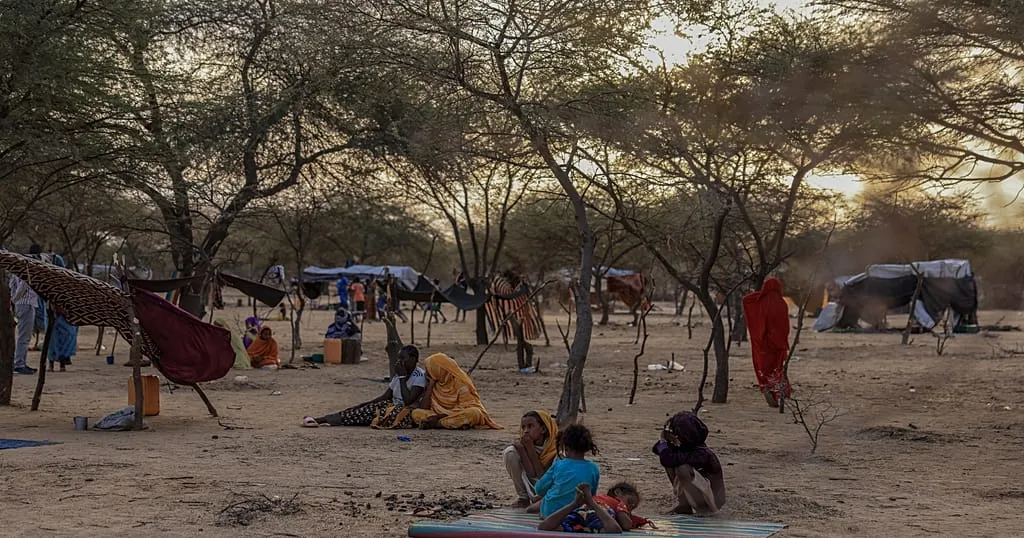
Humanitarian teams operating in eastern Mauritania are witnessing a distressing influx of Malian refugees. These individuals are not only suffering from physical injuries sustained during their perilous journeys but also grappling with profound psychological trauma. The healthcare center in Doueinkara has become a crucial point of care for those fleeing the protracted conflict in neighboring Mali, a situation that has displaced hundreds of thousands from their homes over several years.
The scale of suffering is significant, with medical professionals reporting a range of severe conditions. "We are also seeing sexual violence affecting both women and men," stated Mayoury Savant, an MSF coordinator. "We have also received testimonies of torture. Some people told us they were buried alive." These accounts paint a grim picture of the horrors faced by civilians caught in the crossfire of persistent violence.
Escalating Insecurity and Displacement
The majority of refugees arriving in Mauritania’s Hodh Chargui region have narrowly escaped the pervasive insecurity plaguing northern Mali. This area has been severely impacted by the actions of various armed groups, ongoing military operations, and continuous attacks that have devastated communities and shattered lives. The lack of safety and the destruction of livelihoods compel families to seek refuge in neighboring countries, exacerbating regional humanitarian challenges.
The testimonies from refugees highlight the deep emotional scars left by the conflict. Cherifa, whose identity has been anonymized for her protection, shared the profound grief stemming from the loss of her son. "What I feel most deeply and suffer from at the very core of my being is the death of my son," she expressed, underscoring the personal tragedies that lie behind the statistics of displacement. The psychological toll of such losses is immense and requires long-term support.
Desire for Peace and Return
For many displaced individuals, the hope of returning to their homeland is intrinsically linked to the cessation of violence and the establishment of lasting peace. Nedoune, another refugee, articulated this sentiment clearly: “As soon as they stop killing people and destroying their property, I will go back to Mali. Even if they spare your life, they burn everything you own.” This statement reflects a common desire not just for personal safety but also for the restoration of their communities and property.
The prospect of return for thousands of Malian families hinges on tangible improvements in security and the implementation of peace initiatives. Without a significant de-escalation of conflict and a stable environment, the humanitarian crisis in the region will persist, with many more forced to seek safety and aid in neighboring countries. Addressing the root causes of the violence and ensuring protection for civilians are paramount for any sustainable return.
Impact Analysis
Humanitarian Crisis and Regional Stability
The ongoing violence in Mali and the subsequent refugee crisis in Mauritania represent a significant humanitarian challenge with broader implications for regional stability. The influx of refugees strains the resources of host communities and humanitarian organizations, requiring sustained international support. The psychological trauma experienced by refugees, particularly survivors of sexual violence and torture, necessitates specialized long-term care and support services.
Furthermore, the insecurity in northern Mali contributes to a complex web of regional challenges, including cross-border movements of armed groups and potential radicalization. Addressing this crisis requires a multi-faceted approach, encompassing humanitarian aid, security sector reform, and diplomatic efforts aimed at achieving a lasting political solution within Mali. The international community's sustained engagement is critical to alleviating suffering and fostering peace.