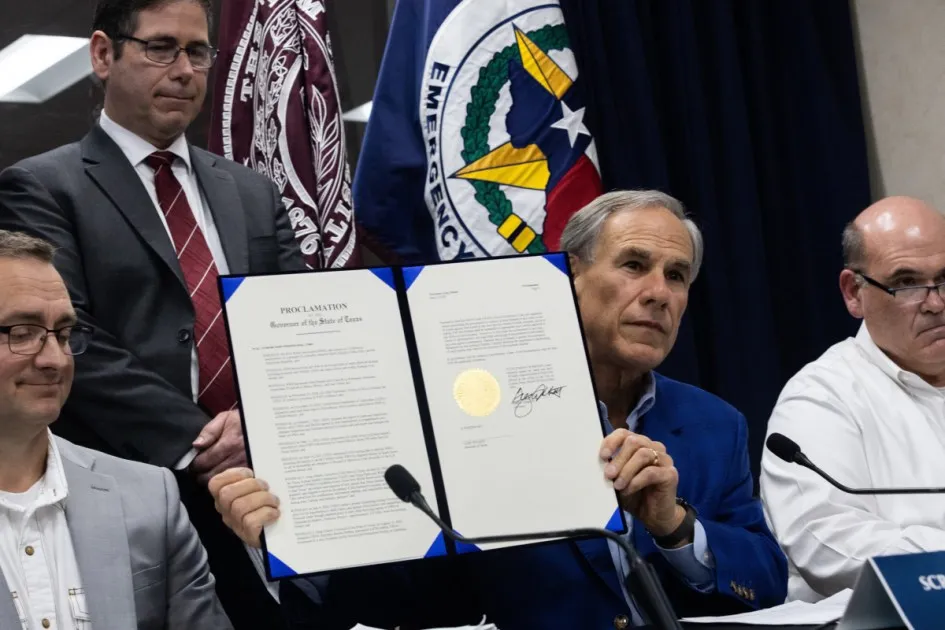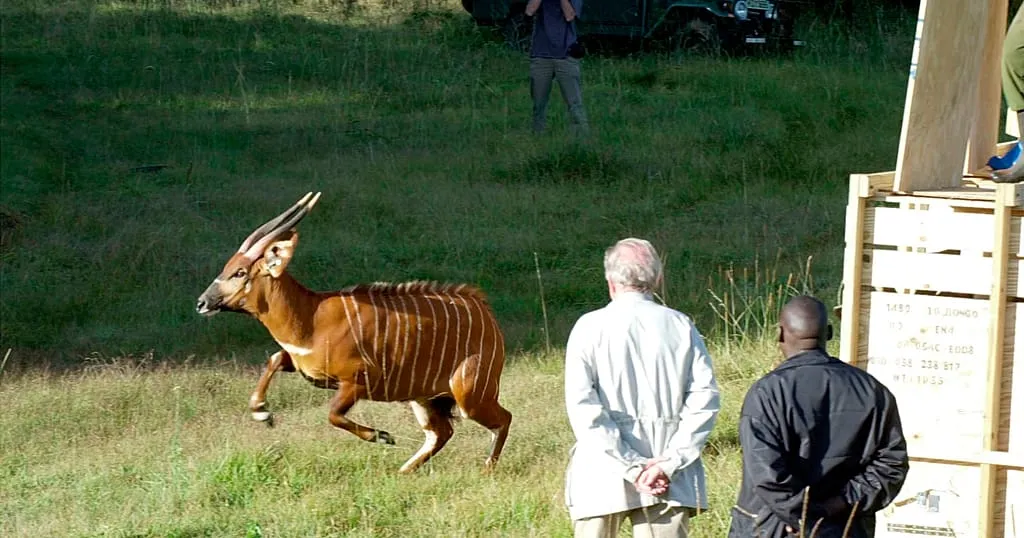
Four critically endangered mountain bongos have successfully returned to Kenya, marking a significant milestone in conservation efforts for the species. These majestic antelopes, distinguished by their vibrant stripes, were flown in from Dvur Kralove Zoo in the Czech Republic and are now en route to their native forests after spending years in European care. Their arrival was officially recognized by Kenya's Prime Cabinet Secretary Musalia Mudavadi and Tourism Minister Rebecca Miano, who hailed the event as a triumphant "homecoming." This repatriation signifies a renewed commitment to re-establishing a healthy wild population of these rare creatures.
The mountain bongo population has faced severe decline, leading to their classification as critically endangered. Poaching and diseases have decimated their numbers, with fewer than 100 estimated to remain in the wild according to Kenyan government figures. A significant portion of the species was transferred to Europe during the 1980s following a devastating rinderpest outbreak that killed thousands in Kenya. This latest return is the third such initiative in recent years, following a previous relocation in February 2025, underscoring a concerted, long-term strategy for species recovery.
Conservation and Reintegration Strategy for Mountain Bongos
Upon arrival at Kenya’s Jomo Kenyatta International Airport, the four bongos were housed in specialized wooden crates. They were received by high-ranking government officials, highlighting the national importance placed on this conservation endeavor. Following their arrival, the animals will undergo a crucial period of quarantine and acclimatization. This process is essential to ensure their health and adaptation to the new environment before they are transferred to the Mount Kenya Wildlife Conservancy.
The Mount Kenya Wildlife Conservancy is a pivotal partner in this recovery plan, currently housing 102 bongos. The intention is to integrate these four new arrivals with the existing population, utilizing them for selective interbreeding to enhance the genetic diversity of the species. This strategic genetic management is vital for strengthening the bongo population's resilience against diseases and environmental changes, thereby increasing their chances of long-term survival in the wild.
The Ecological Role of Mountain Bongos
Beyond their intrinsic value, the mountain bongo plays a crucial role in maintaining the health of their forest habitat. Nature explorers and filmmakers Jahawi and Elke Bertolli emphasized that the introduction of these bongos will bring essential genetic variation, which is critical for the conservation of the species. They further highlighted the bongo's significant contribution to forest ecosystem management.
Forests inhabited by bongos are vital to Kenya's overall water supply. By grazing and browsing, bongos influence vegetation patterns, which in turn affects water retention and filtration within these critical ecosystems. Their presence and ecological interactions contribute to the biodiversity and stability of the mountain environment, ensuring the continued provision of essential natural resources for the wider region.
International Cooperation in Wildlife Preservation
The successful relocation of the mountain bongos is a testament to robust international collaboration. The Czech Republic Ambassador to Kenya, Nicol Adamcova, stated that this initiative exemplifies a long-standing partnership between the Czech Republic and Kenya in the field of conservation. This partnership is built upon a shared commitment to safeguarding endangered species from extinction.
Prime Cabinet Secretary Musalia Mudavadi echoed these sentiments, emphasizing that such conservation milestones demonstrate the power of cohesive action. He noted that when policy, scientific expertise, and collaborative efforts converge with a common conservation objective, significant achievements are possible. This joint effort highlights a successful model for international wildlife conservation, benefiting both the species involved and the ecosystems they inhabit.
Impact Analysis
The return of the mountain bongos to Kenya is more than just a symbolic gesture; it is a critical step in a comprehensive strategy to prevent the extinction of a keystone species. The influx of new genetic material is expected to bolster the resilience of the managed population at the Mount Kenya Wildlife Conservancy, providing a stronger foundation for eventual reintroduction into protected wild areas. Success in this program could serve as a replicable model for other endangered species reintroduction initiatives, emphasizing the importance of managed breeding programs, international cooperation, and a deep understanding of ecological roles in conservation success.