The intricate process by which our brains adapt and learn, known as neuroplasticity, has long been understood through the lens of repeated experiences. The adage “neurons that fire together, wire together,” first articulated by Donald Hebb in 1949, suggests that neural connections are strengthened through repeated activation. This principle, while foundational, has limitations in explaining how profound learning can occur from a single, impactful event. Neuroscientists are now exploring a novel form of neuroplasticity that operates on a longer timescale, potentially bridging the gap between individual experiences and lasting neural changes.
This newly described mechanism, termed “behavioral timescale synaptic plasticity” (BTSP), has been observed in the hippocampus, a crucial region for memory formation. Unlike the rapid, millisecond-based changes associated with Hebbian plasticity, BTSP involves electrical changes that unfold over several seconds, influencing multiple neurons simultaneously. This slower, more encompassing process suggests a more direct route for the brain to encode information from a single encounter, a critical ability for survival and adaptation in a complex world.
Understanding Brain Plasticity
The concept of neuroplasticity has revolutionized our understanding of the brain, moving away from the historical view of a static, immutable organ. For much of the 20th century, the prevailing scientific consensus, championed by pioneers like Santiago Ramón y Cajal, held that adult neural pathways were fixed. However, accumulating evidence has since demonstrated that the brain remains remarkably adaptable throughout life, capable of structural and functional reorganization in response to experience, injury, or learning new skills.
This ongoing capacity for change allows individuals to acquire new knowledge, adapt to environmental shifts, and recover lost functions after neurological damage, such as strokes. Case studies illustrate this remarkable resilience, from individuals compensating for the absence of brain regions to patients regaining speech and motor control. The mechanisms underlying this adaptability are diverse, but changes at the synaptic level, the junctions between neurons, are considered primary drivers of learning and memory.
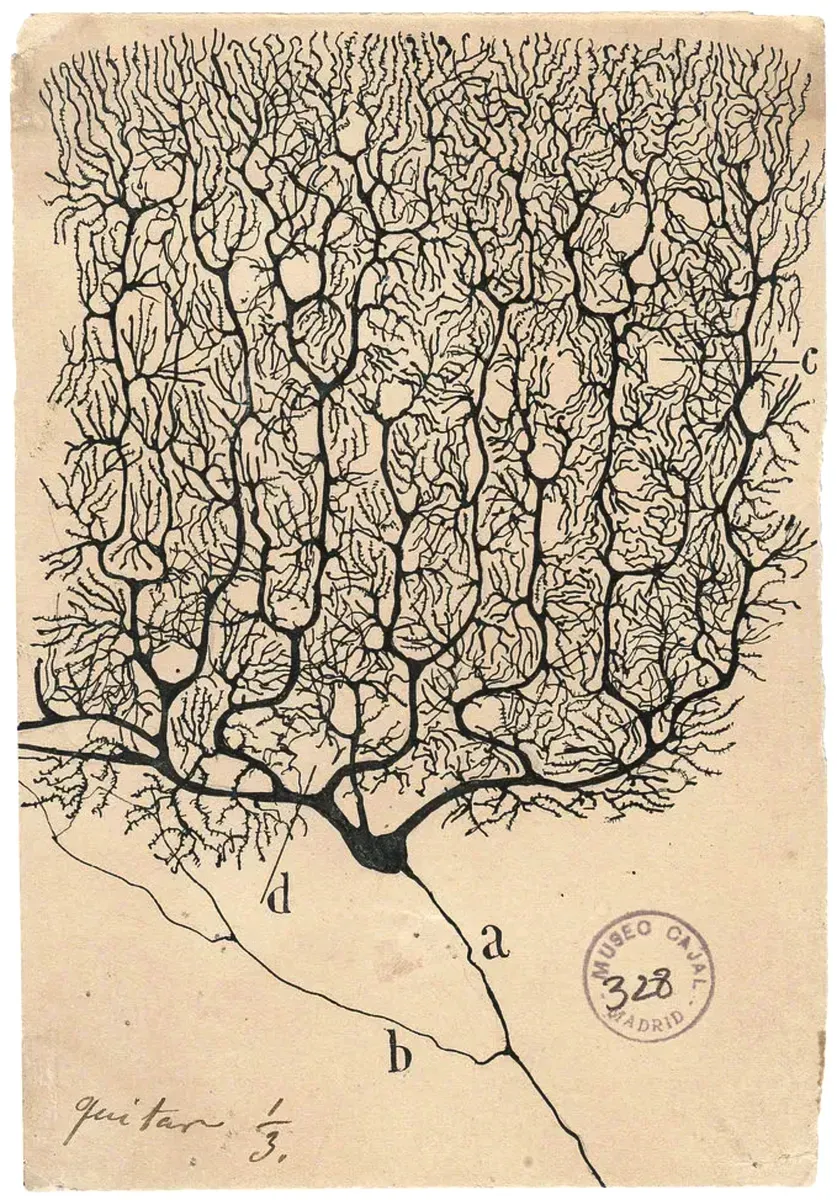
Historically, Hebbian plasticity has been the dominant framework for explaining synaptic changes. This theory posits that the co-activation of neurons within milliseconds leads to a strengthening of their connection, facilitating coordinated firing in the future. This process is integral to forming complex neural networks that represent learned information. However, the relatively rapid timescale of Hebbian plasticity posed a challenge in explaining how the brain could efficiently learn from experiences that unfold over longer periods or occur only once.
The limitations of the Hebbian model became apparent when considering single, impactful events, such as a painful encounter with a hot stove. While Hebbian learning could explain the gradual acquisition of skills through repetition, it struggled to account for the immediate and profound learning that can result from a single, potent experience. This gap prompted researchers to explore alternative or complementary mechanisms that could explain learning across broader behavioral timescales.
The Role of Dendrites in Neural Computation
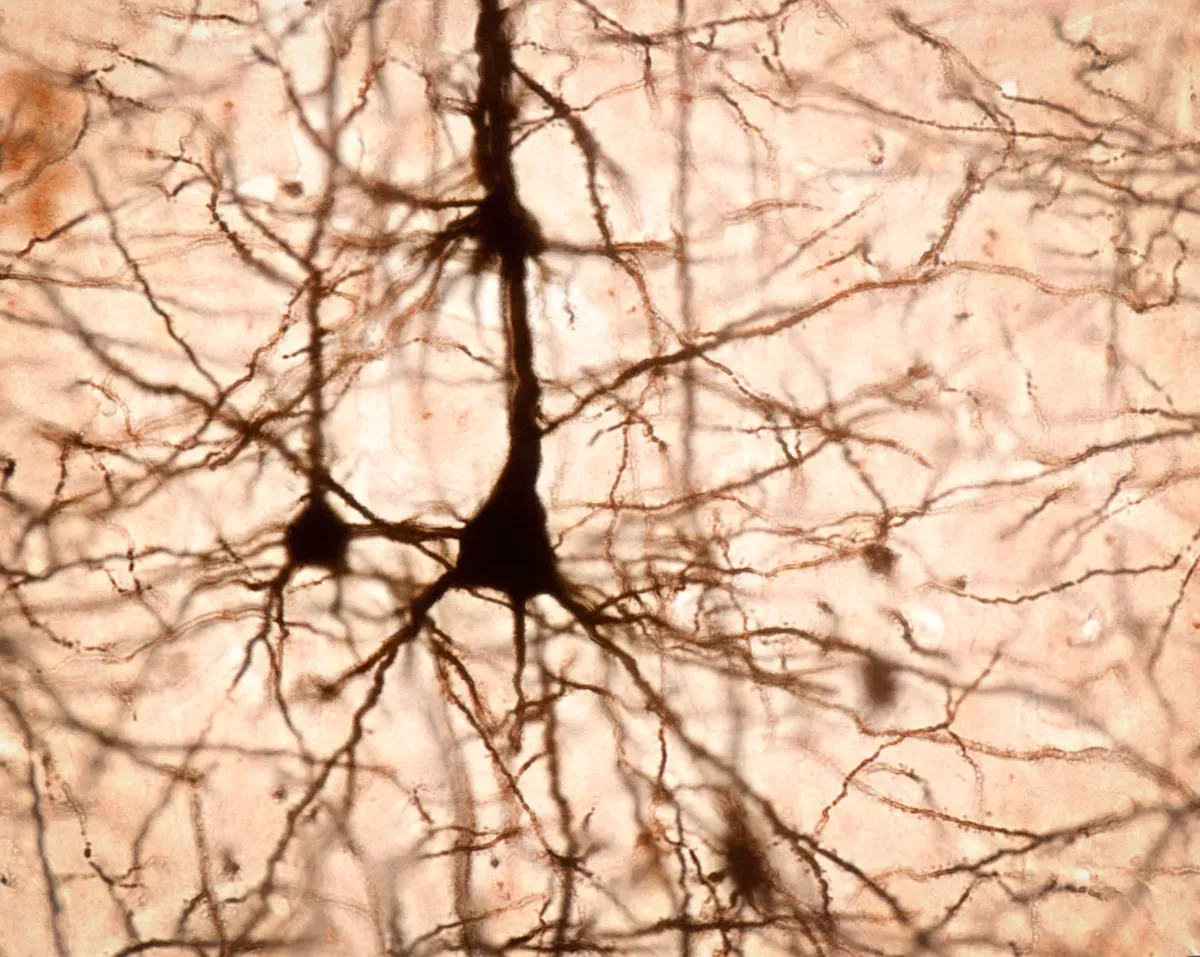
Recent research has increasingly focused on the role of dendrites, the tree-like extensions of neurons that receive signals. For a long time, dendrites were viewed primarily as passive receivers of information. However, advances in recording techniques have revealed that dendrites are far more active computationally than previously thought. They can generate their own electrical signals, influencing the overall firing of the neuron and performing complex calculations independently.
This realization has led to a deeper appreciation of the computational power housed within individual neurons. Dendrites are capable of processing information in sophisticated ways, potentially equalling the complexity found in artificial neural networks. This enhanced understanding of dendritic function has opened new avenues for investigating the mechanisms of neuroplasticity, particularly those operating beyond the rapid millisecond timescale of traditional Hebbian plasticity.

Studies involving animal models, particularly within the hippocampus, have been instrumental in uncovering these new mechanisms. By recording neural activity in living, behaving animals, researchers have observed dendritic events that correlate with learning and memory formation. These observations have moved beyond in-vitro studies of brain slices, providing more ecologically valid insights into how neural circuits adapt in real-time.
The hippocampus, with its prominent role in spatial navigation and memory, has been a fertile ground for these discoveries. The presence of specialized neurons, such as place cells that fire when an animal occupies a specific location, allows researchers to precisely track how the brain encodes environmental information. Observing changes in these cells’ activity in response to new experiences has provided crucial data for understanding learning at the behavioral timescale.
Discovering Behavioral Timescale Synaptic Plasticity (BTSP)
A significant breakthrough came with the observation of plateau potentials in hippocampal dendrites. These events, characterized by a sustained elevation in dendritic electrical charge, were found to precede neuronal firing. Crucially, a single plateau potential appeared sufficient to tune a neuron to fire in a specific location, a process previously thought to require multiple repetitions via Hebbian mechanisms.
This finding suggested a potent form of plasticity that could encode information from a single experience. The persistence of these plateau potentials, lasting for tens to hundreds of milliseconds and influencing synaptic changes over several seconds, indicated a mechanism operating on a distinctly different timescale from established Hebbian plasticity. This led to the coining of the term “behavioral timescale synaptic plasticity” (BTSP) to reflect its relevance to learning processes that unfold over seconds, aligning with the duration of many natural behaviors.
The initial description of BTSP was met with some skepticism, as it challenged decades of established neuroscience dogma. However, subsequent research by independent laboratories has corroborated these findings, lending strong support to the existence and significance of this novel plasticity mechanism. The growing body of evidence suggests that BTSP is not merely an anomaly but a fundamental process contributing to how the brain learns and forms memories.
The implications of BTSP are far-reaching. It provides a compelling explanation for “single-shot learning,” where rapid and lasting learning occurs after just one exposure to a stimulus or situation. This is particularly vital for survival, enabling organisms to quickly learn to avoid danger or locate resources. The ability to rapidly encode critical information can be the difference between survival and demise in unpredictable environments.
The Mechanism and Future Directions
While the precise molecular underpinnings of BTSP are still under investigation, current hypotheses suggest a multi-step process. It is believed that certain experiences lead to the tagging of active synapses with biochemical markers, known as eligibility traces. These traces persist for several seconds, signaling the relevance of recently active neurons. Subsequently, a dendritic plateau potential triggers a widespread voltage change that activates these tagged synapses, leading to their strengthening.
Research in 2024 indicated that dendritic plateaus might initiate a cascade of biochemical signals, ultimately activating CaMKII, a protein critical for learning. This activation could physically alter dendritic structure, increasing receptor sites and thereby enhancing neurotransmitter binding. This molecular cascade offers a plausible pathway for how transient electrical events can lead to enduring synaptic changes.
BTSP also offers potential solutions to long-standing challenges in neuroscience, such as the “credit assignment problem” – determining which neural circuits are responsible for specific experiences or behaviors. By selectively strengthening relevant active synapses, BTSP may help the brain efficiently attribute outcomes to the correct neural pathways. This improved understanding could also shed light on memory consolidation, the process by which short-term memories are transformed into long-term ones.
Despite its promise, the scope of BTSP is still being defined. While evidence for its occurrence in the neocortex is emerging, it has been most consistently observed in the hippocampus. Furthermore, not all hippocampal cells exhibit BTSP to the same degree, suggesting variations in its expression across different neural populations. Ongoing research aims to explore these variations and map the precise geographical and cellular distribution of BTSP.
Conclusion: An Evolving Understanding of Learning
The discovery of behavioral timescale synaptic plasticity does not negate the importance of Hebbian learning, which likely remains critical for brain development and initial neural wiring. Instead, BTSP appears to complement Hebbian mechanisms, offering a more complete picture of how the brain learns and adapts. While Hebbian plasticity may govern the foundational architecture, BTSP could be pivotal for forming rapid, episodic memories in adults.
The exploration of BTSP is ongoing, with many molecular details yet to be fully elucidated. However, its identification marks a significant advancement in our comprehension of neuroplasticity. Just as Hebbian plasticity evolved from a hypothesis to a cornerstone of learning theory, BTSP represents the current frontier, demonstrating that our understanding of how the brain learns is a continuously evolving field, mirroring the brain's own remarkable capacity for change.