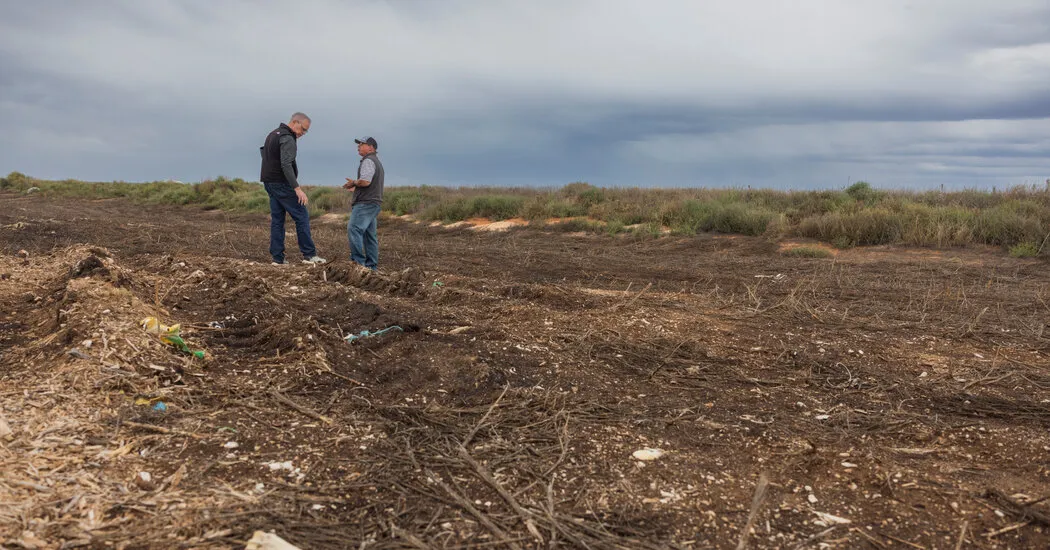
In the heart of New Mexico, a severe environmental crisis has forced a dairy farmer to make the devastating decision to euthanize his entire herd of 3,665 cows. Art Schaap of Highland Dairy in Clovis discovered that the water sourced from his wells contained alarmingly high levels of per- and polyfluoroalkyl substances (PFAS), commonly known as "forever chemicals." These persistent contaminants, linked to a range of serious health issues including birth defects, liver and heart disease, and various cancers, rendered his operation untenable. State and federal regulators swiftly revoked his permit to sell milk and quarantined the herd, and the possibility of selling them for beef was eliminated due to the contamination, leaving him with no viable options.
The identified source of this widespread contamination is Cannon Air Force Base, located adjacent to Mr. Schaap's property. Environmental officials in New Mexico assert that years of firefighting training exercises utilizing PFAS-laden foam led to runoff seeping into the local aquifer. This aquifer is the critical water source for Mr. Schaap and numerous other farmers and ranchers in the region. This grim scenario is not isolated; similar instances of PFAS contamination linked to military facilities have been reported across the United States. However, New Mexico has emerged as a pivotal battleground in the nation's confrontation with these pervasive chemicals, with the state actively pursuing legal action against the federal government for the environmental damage inflicted by bases like Cannon.
New Mexico's Legal Battle Against PFAS Pollution
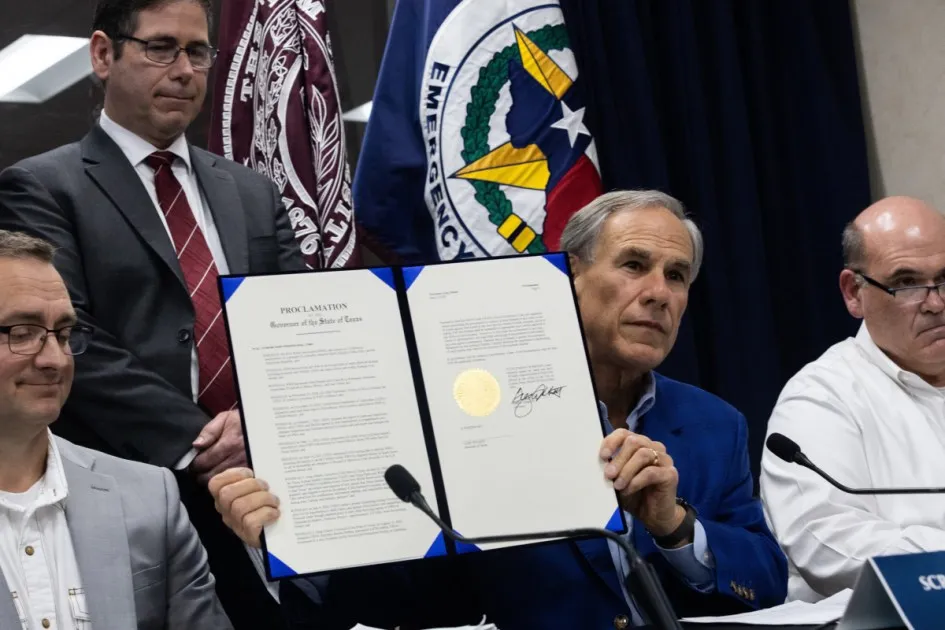
New Mexico's proactive stance against PFAS contamination has positioned it at the forefront of national efforts to address this pervasive environmental hazard. Governor Michelle Lujan Grisham has been a driving force behind this campaign. Shortly after assuming office in 2019, her administration initiated a lawsuit against the U.S. Air Force, specifically targeting the PFAS pollution originating from Cannon Air Force Base. The clarity and compelling nature of the evidence presented in New Mexico's case led a federal judge in South Carolina to select this lawsuit as a bellwether case. This designation means the New Mexico case will serve as a precedent, guiding numerous other similar litigations against the federal government nationwide concerning PFAS contamination originating from military installations.
The implications of this legal strategy extend far beyond the immediate impact on agricultural communities. By establishing a precedent through the Cannon Air Force Base case, New Mexico aims to hold the federal government accountable for decades of environmental neglect and pollution. This legal framework could pave the way for broader remediation efforts and compensation for affected communities across the country. The state's determination to seek justice highlights a growing national awareness and demand for action against the long-term health and environmental consequences of PFAS exposure, particularly when linked to federal military operations.
The Pervasive Nature of PFAS Contamination
PFAS chemicals, due to their extremely stable molecular structure, are highly resistant to breaking down in the environment, earning them the moniker "forever chemicals." Their widespread use in numerous industrial and consumer products, including firefighting foams, non-stick cookware, stain-resistant fabrics, and food packaging, has led to their pervasive presence in soil, water, and even human bloodstreams globally. The long-term health risks associated with exposure are a growing concern for public health officials and environmental agencies.
The contamination at Highland Dairy serves as a stark illustration of how military activities can have profound and lasting environmental consequences for surrounding communities. The chemicals used in military operations, particularly firefighting foams (Aqueous Film-Forming Foam or AFFF), have been identified as major sources of PFAS release. When these foams are deployed during training exercises or actual emergencies, they can leach into the soil and groundwater, eventually contaminating local water supplies. The federal government's responsibility to manage these hazardous materials and mitigate their environmental impact is increasingly coming under scrutiny.
Health and Environmental Repercussions
The health effects linked to PFAS exposure are a significant cause for alarm. Studies have associated these chemicals with a range of adverse health outcomes, including increased risk of certain cancers (such as kidney and testicular cancer), immune system suppression, thyroid disease, and developmental issues in children. The pervasive nature of PFAS means that even low-level, long-term exposure can have cumulative negative impacts on human health, underscoring the urgency of addressing the contamination sources.
Beyond human health, the environmental repercussions are equally severe. PFAS can persist in ecosystems for generations, impacting wildlife and contaminating soil and water bodies. The remediation of PFAS-contaminated sites is a complex and costly undertaking, often requiring advanced treatment technologies. The legal actions initiated by New Mexico aim not only to address the immediate crisis but also to secure the resources and commitment needed for long-term environmental restoration and the prevention of future contamination events.
Impact Analysis
New Mexico's aggressive legal strategy against the federal government over PFAS contamination sets a significant precedent for environmental litigation nationwide. If successful, this bellwether case could compel the federal government to undertake extensive cleanup operations at military bases across the country and provide substantial compensation to affected communities. It signals a potential shift in accountability, where military operations will face greater scrutiny for their environmental footprint. This development could also spur increased regulatory oversight and industry innovation in developing safer alternatives to PFAS, ultimately leading to a healthier environment for both people and wildlife.