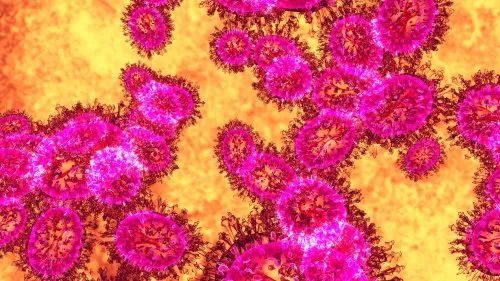
In a significant development in the ongoing battle against viral threats, researchers have unveiled a novel approach to virus inactivation that moves beyond conventional methods like sanitizers and disinfectants. This breakthrough technology targets the fundamental structure and functionality of viruses, offering a potentially more potent and versatile solution for contamination control.
The scientific community has long sought advanced methods to combat the ever-present risk of viral transmission, particularly in healthcare settings, public spaces, and during pandemics. While disinfectants and sanitizers have served as frontline defenses, their efficacy can be limited by factors such as application methods, specific viral strains, and the potential for resistance development. This new method represents a paradigm shift, focusing on disrupting viral integrity at a molecular level.
Mechanism of Action: A Novel Approach to Viral Inactivation
Targeting Viral Proteins and Genetic Material
The core of this new strategy lies in its ability to precisely target critical viral components. Unlike broad-spectrum chemical disinfectants, this method employs highly specific mechanisms that interfere with essential viral proteins, such as those responsible for viral entry into host cells or for replication. Furthermore, it can be engineered to disrupt the viral genetic material (RNA or DNA), rendering the virus incapable of infecting and spreading.
This targeted approach offers several advantages. Firstly, it has the potential to be effective against a wider range of viruses, including those that may be resistant to existing chemical treatments. Secondly, by focusing on essential viral machinery, it is less likely to foster resistance in the long term. The precise targeting also implies a potential for reduced collateral damage to surfaces or biological tissues compared to harsher chemical agents.
Energy-Based Inactivation Techniques
A key aspect of this innovation involves the application of specific energy forms. Early research suggests that controlled exposure to certain wavelengths of light, specific acoustic frequencies, or even precisely modulated electromagnetic fields can disrupt viral structures. For instance, certain light frequencies can induce photochemical reactions within viral particles, leading to the breakdown of structural proteins or damage to the genetic payload.
Similarly, specific ultrasonic frequencies have shown promise in creating cavitation bubbles that collapse and generate localized high-energy shockwaves, effectively rupturing viral envelopes and capsids. The controlled application of these energy sources is crucial to ensure targeted inactivation without negatively impacting surrounding materials or environments. 
Potential Applications and Future Implications
Healthcare and Public Health
The implications for healthcare are profound. This technology could be integrated into medical devices, sterilization equipment for surgical instruments, and even air and surface purification systems within hospitals and clinics. Imagine surfaces that actively neutralize viruses upon exposure to a specific light source, or HVAC systems equipped with emitters that continuously decontaminate airflow.
Beyond clinical settings, the technology holds promise for public health initiatives. It could be deployed in mass transit systems, schools, and office buildings to significantly reduce the risk of infectious disease outbreaks. The ability to inactivate viruses without the need for chemical residues offers a cleaner and potentially safer approach to public hygiene.
Environmental and Industrial Uses
The applications extend beyond human health. In environmental science, this method could be employed for water purification, effectively neutralizing viruses in water sources without the use of chlorine, which can have detrimental environmental effects. It could also be valuable in the food industry for sterilizing packaging or processing equipment, enhancing food safety.
Furthermore, industries that handle biological materials or are susceptible to viral contamination could benefit. This includes research laboratories, vaccine production facilities, and even areas where industrial wastewater requires viral decontamination before discharge. The precision and potential for automation make it an attractive option for various industrial processes. 
Challenges and Ongoing Research
Scalability and Cost-Effectiveness
Despite the promising outlook, bringing this technology to widespread use involves overcoming several hurdles. Scaling up the energy-based inactivation systems to handle large volumes or surfaces efficiently and cost-effectively is a primary challenge. Ensuring that the energy application is precise enough to target viruses without damaging sensitive materials or affecting living organisms requires sophisticated engineering and control systems.
Further research is also needed to determine the optimal energy parameters for different types of viruses and their various structural components. Understanding the long-term stability and efficacy of inactivated viral particles and ensuring no adverse secondary effects are crucial steps before broad deployment.
Regulatory Approval and Public Acceptance
As with any novel technology, obtaining regulatory approval will be a significant undertaking. Rigorous testing will be required to validate the safety and efficacy of the inactivation process across a wide range of applications. Public acceptance will also be key; educating the public about the science behind this method and its benefits over traditional sanitizers will be essential for widespread adoption.
The development of this new virus-killing technology marks a critical advancement in our ability to manage and mitigate viral threats. While challenges remain, the potential for a more effective, precise, and environmentally conscious approach to viral inactivation offers a compelling vision for the future of public health and sanitation. 
Impact Analysis
The emergence of a virus-inactivation method that bypasses traditional sanitizers has far-reaching implications across multiple sectors. In healthcare, it promises enhanced sterilization and reduced hospital-acquired infections, potentially saving lives and lowering healthcare costs. For public health, it offers a more robust defense against outbreaks in communal spaces, improving overall societal resilience. Industrially, it could revolutionize water purification and food safety protocols, leading to more sustainable and secure practices. The scientific and engineering communities will need to collaborate closely to address scalability, cost, and regulatory challenges, but the potential benefits—ranging from environmental protection to enhanced biosecurity—suggest this technology could redefine our approach to viral control.