Alex Marquez experienced a significant setback during the MotoGP Catalan Grand Prix, sustaining a fractured seventh cervical vertebra and a fractured right collarbone following a high-speed incident. The severity of the injuries has necessitated immediate medical attention and further evaluation.
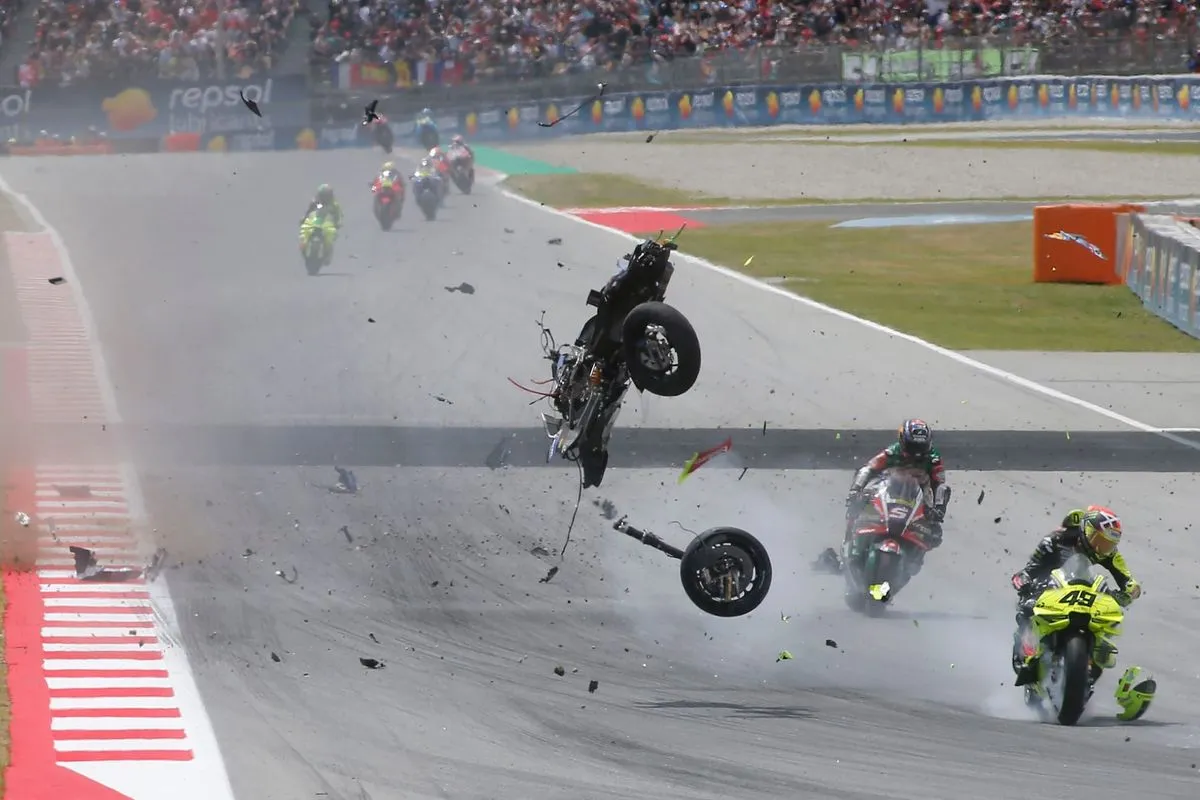
The crash occurred while Marquez was vying for a leading position. An unexpected issue with Pedro Acosta's KTM bike directly in front of him forced Marquez into a sudden evasive maneuver. While he narrowly avoided a more severe collision, the evasive action led to a minor contact and ultimately sent his Ducati machine off the track. The loss of control on the grass resulted in Marquez being ejected from his bike, making a forceful impact with the ground.
Injury Details and Medical Response
Following the incident, Marquez received prolonged treatment at the trackside before being transferred to a local hospital via the medical center. Initial diagnoses confirmed a "marginal fracture" of his seventh cervical vertebra, a potentially serious injury to the neck region. His Gresini Racing team indicated that this neck injury would require "further evaluation" in the upcoming week.
In addition to the spinal injury, Marquez was diagnosed with a fractured right collarbone. The team has stated that this fracture will be treated surgically, with the intention to "stabilize it with a plate." The operation was scheduled for Sunday, aiming to address the collarbone fracture promptly.
Accident Circumstances and Rider Safety
The incident unfolded on the Barcelona circuit during a critical phase of the race. Marquez's attempt to avoid a collision with Acosta's bike, which appeared to have encountered a technical problem, highlights the inherent risks in MotoGP racing, where split-second decisions are crucial. The trajectory into the gravel trap proved unavoidable, leading to the loss of control and subsequent ejection from the motorcycle.
The impact was substantial, narrowly missing the track barriers but causing significant force upon landing. Medical teams were quick to respond, providing immediate care before transport for more comprehensive assessment. This type of crash underscores the advanced safety protocols in place, yet also the extreme forces riders endure.
Status of Other Incidents and Rider Welfare
Separately, there were no immediate updates on the condition of LCR Honda rider Johann Zarco, who was involved in another substantial accident during the same event. Zarco was also taken to the hospital for further examination, specifically concerning his left leg. Team boss Lucio Cecchinello reported that Zarco was experiencing pain in the femoral area and was undergoing MRI scans to assess the extent of the injury. Fortunately, Zarco was reported to have avoided concussion and injuries to his upper body or feet.
The collective incidents from the Catalan Grand Prix serve as a stark reminder of the physical demands and potential dangers faced by professional motorcycle racers. The focus remains on the recovery and well-being of all involved riders, with the racing community keenly awaiting further updates on their conditions.
Impact Analysis
Alex Marquez's injuries, particularly the vertebral fracture, raise significant concerns about his immediate racing future and potential long-term implications. A fractured cervical vertebra can lead to a prolonged recovery period, often requiring extensive rehabilitation and strict medical clearance before a return to competition is possible. This not only impacts his current season with Gresini Racing but also his team's strategic planning and rider lineup.
The dual nature of his injuries—a spinal issue demanding cautious evaluation and a collarbone fracture requiring surgical intervention—compounds the challenge. The physical toll of such injuries can affect a rider's confidence and performance even after recovery. The incident also brings renewed attention to track safety, rider training protocols, and the ongoing efforts to mitigate risks associated with high-speed motorcycle racing. The MotoGP governing bodies will likely review the accident circumstances as part of their continuous safety improvement initiatives.