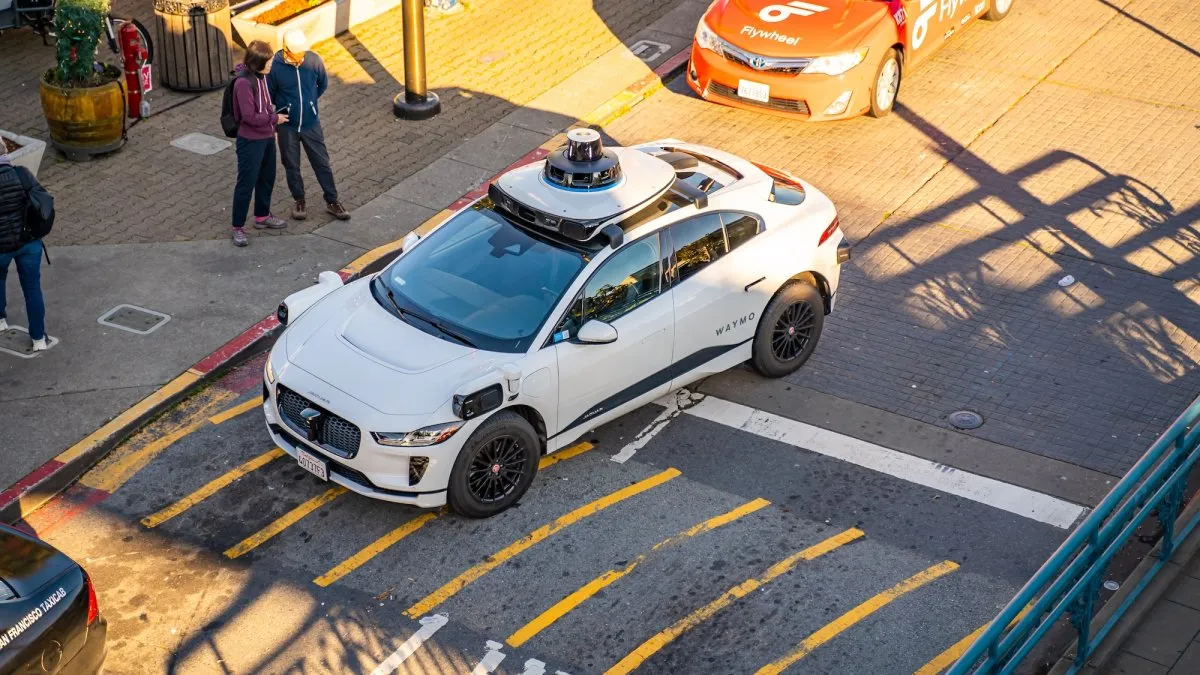
San Francisco law enforcement is grappling with a novel criminal scenario following a burglary where the getaway vehicle was a self-driving Waymo taxi. This incident, which occurred nearly six months ago, remains unsolved, highlighting the unique challenges presented by autonomous vehicles in criminal investigations. While initially seeming like an open-and-shut case due to the vehicle's extensive camera systems, the investigation has been complicated by data privacy policies and the potential use of burner accounts by the suspect.
The suspect allegedly stole activewear from a local yoga studio before entering a Waymo vehicle to escape. Officials have noted that while a self-driving car might seem like an easily trackable asset, the reality is more complex. It is highly probable that the perpetrator utilized a disposable communication method, such as a burner phone or a pre-paid SIM card, to book the ride-sharing service. This tactic circumvents direct attribution, making it difficult for law enforcement to link the booking to the individual responsible for the crime.
Challenges Posed by Autonomous Vehicle Data and Privacy
Waymo's Data Retention Policies
The sophisticated camera network present in Waymo vehicles, which includes approximately 29 high-definition cameras both inside and outside the car, offers a comprehensive 360-degree view of the surroundings. This technology theoretically provides abundant data for investigations. However, Waymo, like many technology companies, has specific data retention policies in place. Interior footage, crucial for identifying individuals inside the cabin, is only retained temporarily. By the time investigators filed a search warrant in April 2026, the interior recordings from the time of the incident had already been erased, significantly hindering the investigation.
Furthermore, external camera data is subject to strict data privacy regulations. While these cameras capture external events, any identifiable features, such as faces, must be blurred to comply with privacy laws. This anonymization of external footage limits its utility for direct suspect identification, even if the vehicle's movements and interactions are recorded.
Use of Autonomous Vehicles in Criminal Activities
The deployment of autonomous vehicles in criminal activities is a relatively new phenomenon. While Waymo's service debuted its fully self-driving option to the public in San Francisco in June 2024, this case illustrates an emergent threat. Law enforcement acknowledges the unusual nature of a suspect intentionally using an autonomous vehicle for a getaway. Sgt. Tim Faye remarked on this peculiarity, underscoring that it is not a common modus operandi for criminals.
Another similar incident occurred in Los Angeles the previous year, where a suspect allegedly used a Waymo vehicle after robbing a grocery store. In that instance, law enforcement was able to pursue and stop the vehicle by activating their emergency lights. However, this case was an exception, and the San Francisco incident suggests that perpetrators may be developing methods to exploit the system, such as using anonymized booking methods.
Limitations on Autonomous Ridesharing Services
The adoption of autonomous ridesharing services has been geographically constrained due to various factors, including public skepticism, safety concerns, and regulatory hurdles. Currently, these services are primarily operational in only seven cities across California, Arizona, Texas, Florida, and Georgia. Despite these limitations, companies like Waymo are actively pursuing expansion plans to introduce their services to additional regions across the United States.
The challenges presented by incidents like the San Francisco burglary may influence public perception and regulatory scrutiny, potentially impacting the pace of future expansion. Authorities are likely to increase their focus on how data generated by these vehicles can be accessed and utilized for law enforcement purposes, while balancing it against existing privacy frameworks.
Impact Analysis
This incident underscores a critical evolving challenge for law enforcement: the intersection of advanced transportation technology and criminal behavior. As autonomous vehicles become more prevalent, investigators will need to adapt their methods for gathering evidence and identifying suspects. The case highlights the tension between the potential for extensive data capture by AVs and the necessity of upholding user privacy. Future investigations may require enhanced collaboration between technology companies and law enforcement, as well as potentially new legal frameworks to address data access for ongoing criminal inquiries. The successful prosecution of such cases will depend on the ability to overcome technological and privacy-related barriers, ensuring that innovation in transportation does not inadvertently create new avenues for criminal activity.