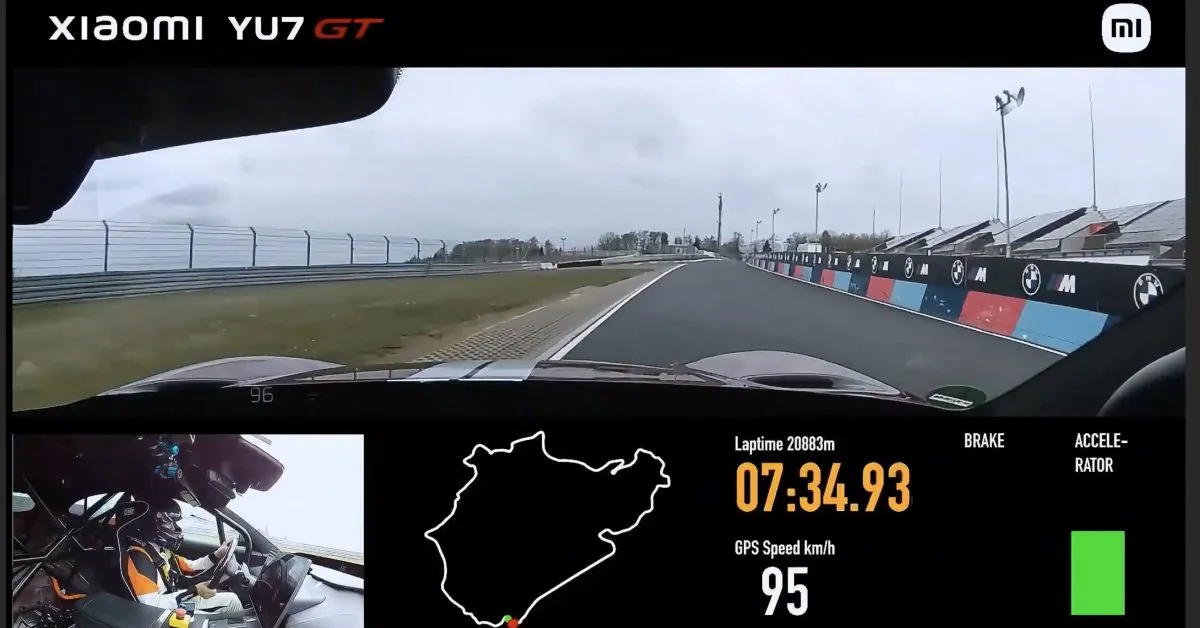
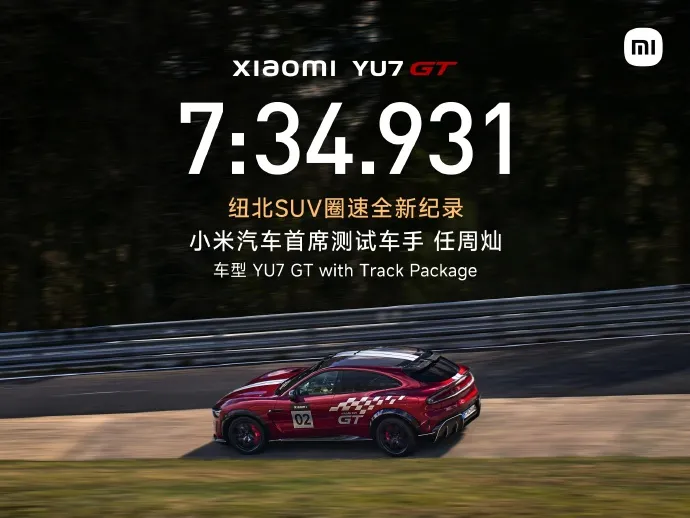
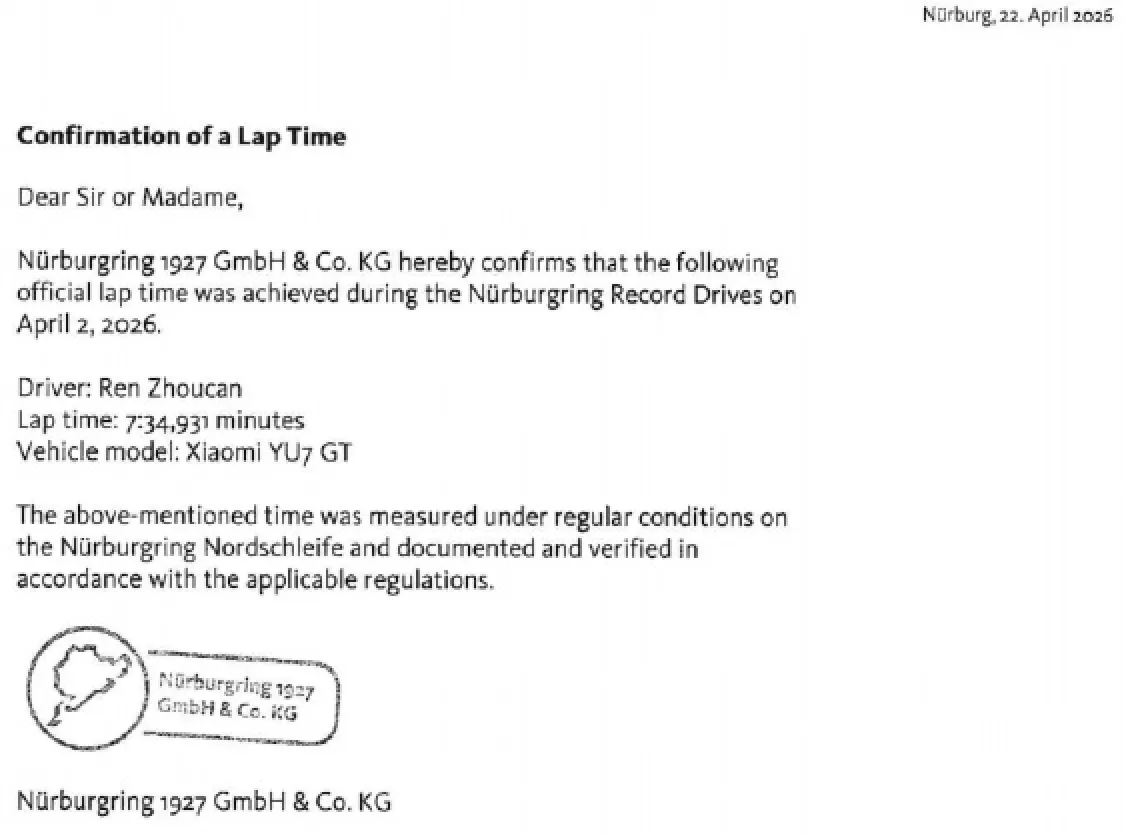
Xiaomi has once again demonstrated its burgeoning automotive prowess by setting a new Nürburgring lap record for SUVs. The upcoming YU7 GT, a high-performance variant of the company's YU7 family SUV, completed the notoriously challenging Nordschleife circuit in an astonishing 7 minutes and 34.931 seconds. This remarkable achievement decisively surpasses the previous record held by the Audi RS Q8, which clocked in at 7:36.698 in 2024. Prior to that, Porsche's Cayenne GT Turbo held the benchmark with a time of 7:38.925, highlighting the significant performance leap demonstrated by Xiaomi's latest offering. The lap time, officially certified and recorded on April 2nd, underscores Xiaomi's aggressive strategy of leveraging track performance for automotive publicity, particularly as the YU7 GT prepares for its launch in China this week.
The YU7 GT is slated to enter the market with a formidable powertrain, boasting 990 horsepower and a top speed of 186 mph (300 km/h). This potent combination is expected to be offered at a price point ranging from approximately $66,000 to $74,000 USD (450,000 to 500,000 CNY). This performance-oriented SUV enters a segment where luxury and speed are increasingly intertwined. Xiaomi's strategy mirrors its earlier success with the SU7 sedan, which also set track records, indicating a clear focus on establishing a performance image for its electric vehicle division. The company, historically known for smartphones and consumer electronics, is rapidly establishing itself as a serious contender in the global automotive landscape, challenging established manufacturers with cutting-edge technology and compelling performance figures.
Xiaomi YU7 GT: A New Benchmark for Electric SUVs
The Nürburgring, often referred to as the "Green Hell," is a global benchmark for automotive performance. Its 154 corners and 20.8 kilometers of undulating tarmac demand exceptional engineering, robust chassis tuning, and potent powertrain capabilities. For Xiaomi to achieve a record-breaking lap with the YU7 GT is a testament to the vehicle's advanced development. While the exact specifications of the "track package" mentioned by Xiaomi remain partially undisclosed, the presence of a roll cage and potential removal of rear seats in the record-setting vehicle suggest a focus on optimizing performance for the timed lap, a common practice in automotive record attempts. This strategy, while effective for setting records, could lead to scrutiny if the production version differs significantly from the record-holding configuration.
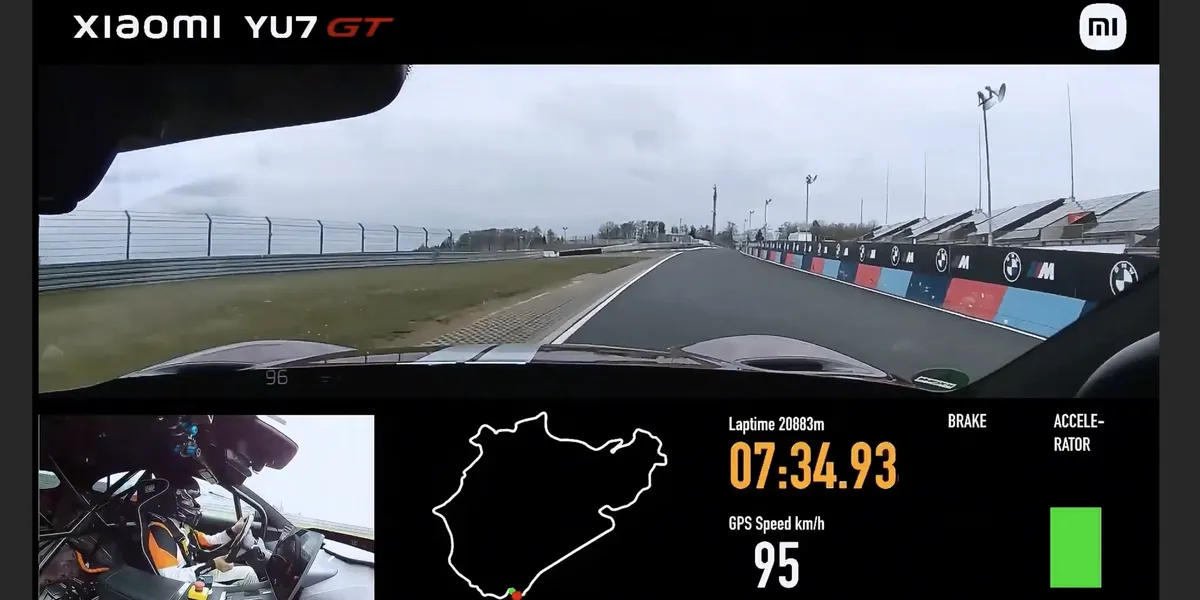 The official lap certification confirms the run occurred on April 2nd, aligning with sightings of the YU7 GT testing at the Nürburgring in the preceding months. In-car footage of the lap, shared by Xiaomi, provides a glimpse into the vehicle's dynamics. However, the comparison between the YU7 GT's SUV form factor and the significantly faster lap times of Xiaomi's SU7 sedan highlights a fundamental difference in vehicle dynamics. SUVs, by their nature, carry a higher center of gravity and greater mass, which inherently limits their cornering agility and ultimate track potential compared to lower-slung sedans or sports cars.
Technological Prowess and Market Positioning
Xiaomi's rapid ascent in the automotive sector is particularly noteworthy given its relatively short history in vehicle manufacturing. While established European automakers like Porsche and Audi have decades of motorsport heritage and Nürburgring experience, Xiaomi, a company that pivoted from consumer electronics just a few years ago, has now demonstrated superior performance in the SUV category on their home turf. This accomplishment comes at a time when some established European brands are facing challenges in their transition to electrification, with reports of delays in EV sports car projects and significant financial implications from perceived EV hesitancy.
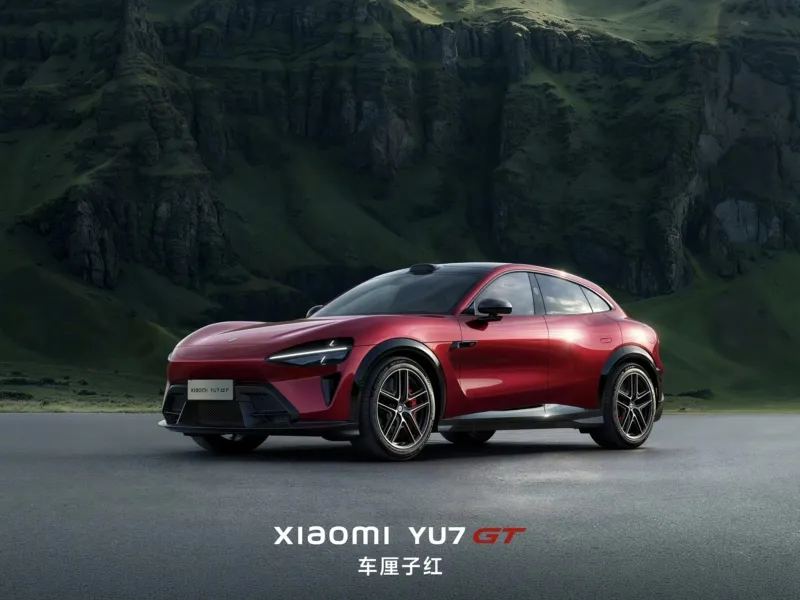
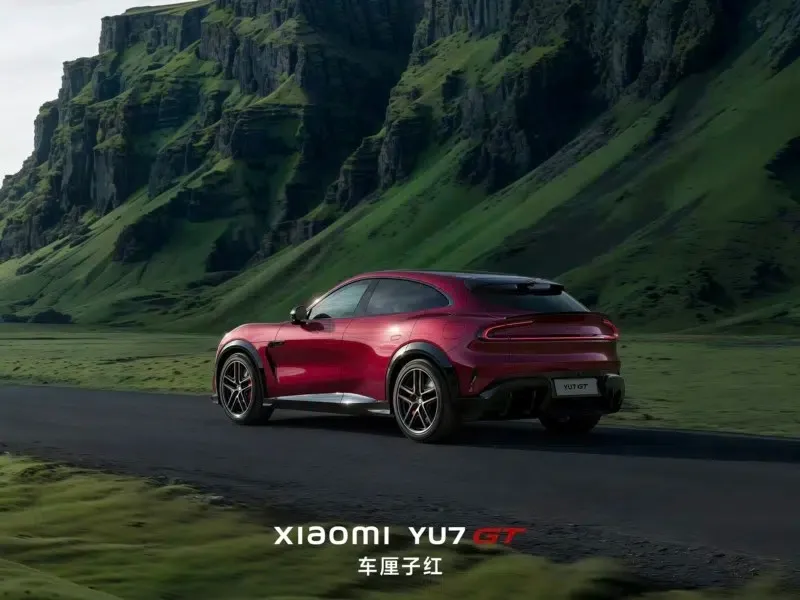
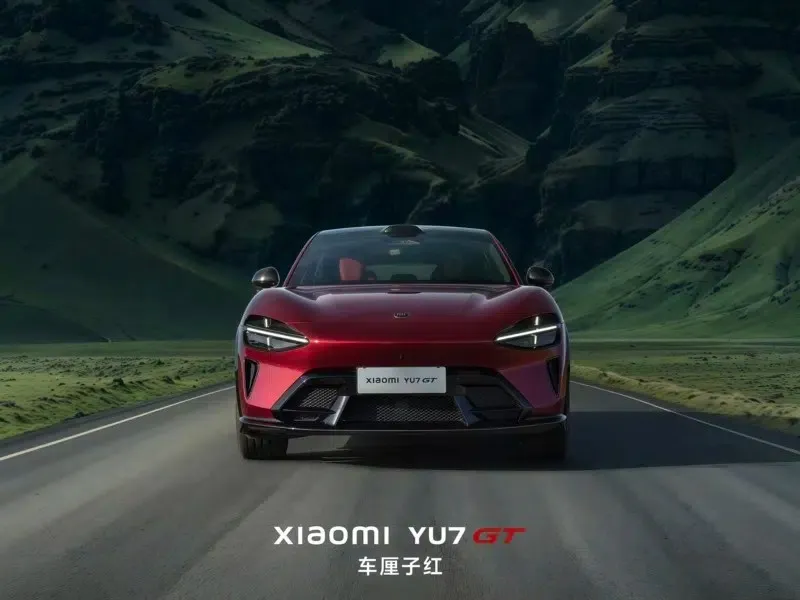 The YU7 GT's record-setting performance serves as a powerful statement to the global automotive industry, particularly emphasizing the accelerated pace of innovation and manufacturing from Chinese companies. The performance gap between the YU7 GT and the SU7 sedan is substantial, with the sedan completing the circuit nearly a full minute faster. This disparity reinforces the notion that while SUVs can achieve impressive lap times, they remain fundamentally different from dedicated sports cars in terms of dynamic capability. Xiaomi's strategy appears to be to excel in each segment it enters, offering distinct vehicles for different performance needs, from the sporty SU7 to the record-breaking YU7 GT SUV.
Competitive Landscape and Future Prospects
The electric SUV segment is becoming increasingly competitive, with manufacturers pushing the boundaries of performance and range. The upcoming launch of the 1,139 hp Porsche Cayenne Electric, touted as the most powerful Porsche ever, signals a potential new challenge for the YU7 GT's record. Porsche has a history of leveraging Nürburgring performance to reinforce its brand image, and a focused effort to reclaim the SUV lap record with its new electric flagship would be a logical strategic move. Such a competition would further elevate the profile of electric performance SUVs.
 The narrative of Xiaomi, a smartphone giant, successfully challenging and often surpassing established automotive players on prestigious European circuits, is a compelling one. It highlights a shift in the global automotive power dynamic, with Chinese manufacturers demonstrating remarkable agility and technological advancement. This trend suggests that the pace of electrification and performance development set by companies like Xiaomi will likely compel other global automakers to accelerate their own EV strategies to remain competitive in this rapidly evolving market. The YU7 GT's Nürburgring achievement is not just a record for an SUV; it's a significant marker in the ongoing evolution of the electric vehicle industry.
Impact Analysis
Xiaomi's record-setting performance with the YU7 GT at the Nürburgring has significant implications for the automotive industry. Firstly, it solidifies Xiaomi's position as a serious player in the EV market, moving beyond its consumer electronics reputation. This success will likely increase consumer interest and competitor scrutiny, potentially accelerating the development cycles for high-performance electric SUVs globally. Secondly, it puts pressure on established luxury and performance brands, particularly European manufacturers like Porsche and Audi, to re-evaluate their EV development strategies and performance benchmarks. The fact that a company from China, with a relatively short automotive history, can achieve such feats challenges the long-held notions of performance heritage. This event underscores the rapid technological advancements and competitive pressures emerging from the Chinese automotive sector, likely compelling other manufacturers to adopt more aggressive electrification and performance targets to maintain market share and relevance. Finally, the record highlights the increasing capabilities of Chinese EV platforms and battery technology, signaling a broader shift in global automotive manufacturing and innovation leadership.