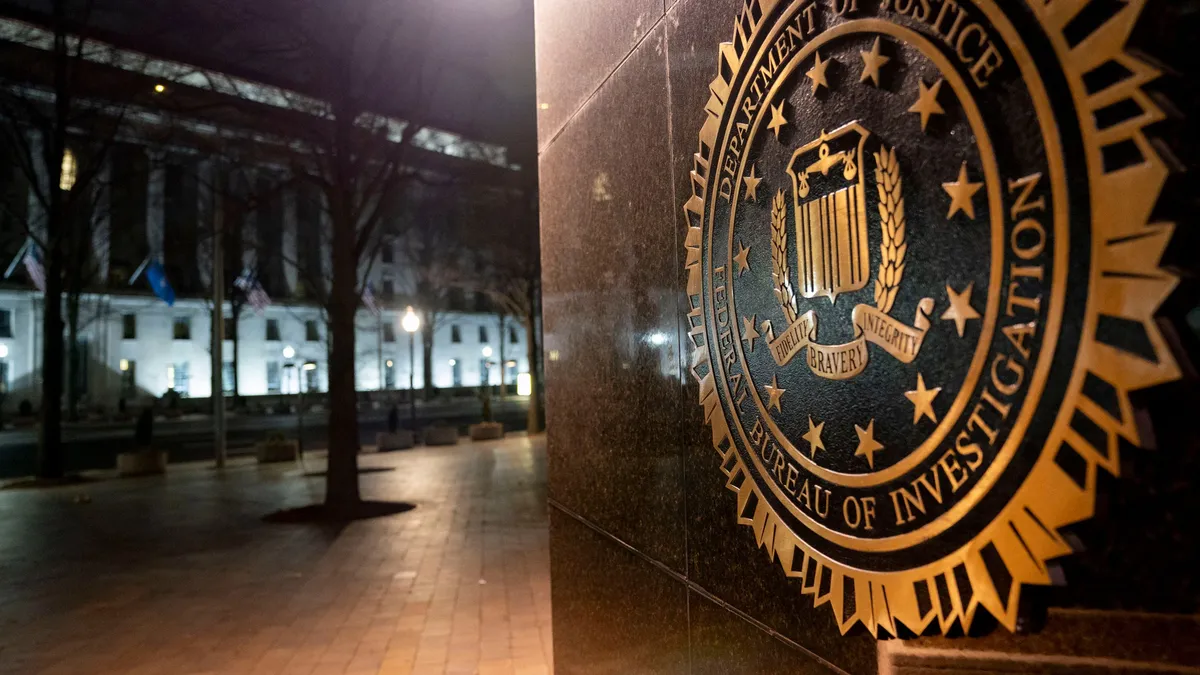
The Federal Bureau of Investigation's 2025 Internet Crime Report underscores a dramatic escalation in cybercriminal activity, with a staggering increase in reported incidents. Officials are now processing over 3,000 complaints daily, pushing the annual total beyond one million for the first time. This figure represents a significant undercount, as a substantial number of victims do not report these offenses, particularly those facing language barriers. The financial toll of these online criminal endeavors has also reached alarming new heights, exceeding $20 billion last year. This represents a substantial leap from the previous year and more than doubles the losses recorded just four years ago, signaling an urgent need for enhanced security protocols and victim support.
The report meticulously details several critical trends that are reshaping the cybersecurity landscape. Among the most concerning is the rapid proliferation of AI-driven cybercrimes. The integration of advanced artificial intelligence technologies by malicious actors presents a formidable new challenge, equipping them with sophisticated tools to execute more complex and convincing attacks. As these AI capabilities become more accessible, the sophistication and prevalence of cyber threats are expected to grow exponentially, demanding a proactive and adaptive response from individuals and organizations alike.
Key Trends in the Evolving Cybercrime Ecosystem
The Escalation of AI-Powered Cybercriminality
The rapid advancements in artificial intelligence are directly fueling a surge in cybercriminal tactics. In the past year alone, the FBI's Internet Crime Complaint Center (IC3) logged 22,364 complaints specifically related to AI-driven cybercrimes, resulting in financial losses exceeding $893 million. This highlights AI not merely as a tool, but as a primary enabler of new and more damaging criminal operations. The accessibility and power of AI are democratizing sophisticated cyberattacks, lowering the barrier to entry for a wider range of malicious actors.
Criminals are leveraging AI to create hyper-realistic deepfakes, including altered videos and images, which are becoming increasingly difficult for the average user to distinguish from authentic content. This technology is particularly effective in blackmail schemes and sophisticated social engineering attacks. Furthermore, AI-powered chatbots are being deployed to impersonate corporate executives and trusted personnel, successfully deceiving employees into initiating fraudulent wire transfers or falling victim to phishing attempts. The application of AI in romance scams is also escalating, enabling perpetrators to craft more persuasive and emotionally manipulative interactions, leading to greater financial exploitation of vulnerable individuals.
Financial Losses Reach Unprecedented Levels
The aggregate financial damage reported to the FBI in 2025 reached over $20 billion, a substantial increase from previous years. This figure underscores the immense economic impact of cybercrime on individuals and businesses. The data indicates a consistent upward trend in financial losses, more than doubling over a four-year period. This suggests that current mitigation strategies are insufficient to counter the evolving nature and scale of online threats, necessitating a re-evaluation of cybersecurity investments and regulatory frameworks.
The consistent growth in reported financial losses points to a systemic issue in preventing and recovering assets from cyberattacks. While law enforcement agencies are actively pursuing perpetrators, the sheer volume and complexity of these crimes often overwhelm investigative resources. The economic consequences extend beyond direct financial theft, impacting business continuity, reputation, and market confidence. Addressing this escalating financial crisis requires a multi-faceted approach involving technological innovation, international cooperation, and robust public-private partnerships.
The Growing Threat of Business Email Compromise (BEC) Scams
Business Email Compromise (BEC) scams continue to represent a significant portion of reported cybercrime losses. These attacks, which often involve sophisticated social engineering and impersonation tactics, target businesses by tricking employees into transferring funds or sensitive information. The FBI report indicates a persistent high volume of BEC incidents, highlighting their effectiveness and the vulnerability of organizational email systems. The financial damages from BEC attacks alone contribute substantially to the overall reported losses, underscoring the need for enhanced employee training and advanced email security solutions.
The sophistication of BEC attacks is continually increasing, with cybercriminals employing more convincing lures and leveraging AI-generated content to bypass traditional security filters. These scams often target finance departments or individuals with authority to make financial transactions, exploiting trust and procedural weaknesses within organizations. The success of these schemes emphasizes the critical importance of comprehensive security awareness programs and stringent internal control measures to verify financial transactions and sensitive data requests.
Ransomware Attacks Remain a Persistent Menace
While the report highlights new trends like AI-driven crime, ransomware attacks continue to pose a severe threat to organizations worldwide. These attacks involve encrypting a victim's data and demanding a ransom payment for its decryption. The FBI's data indicates that ransomware incidents, though perhaps less publicized than some newer threats, continue to inflict significant operational disruption and financial costs on businesses across all sectors. The persistence of ransomware underscores the need for strong data backup strategies, robust endpoint security, and effective incident response plans.
The impact of ransomware extends beyond the immediate financial demand. Organizations face substantial costs related to system downtime, data recovery efforts, reputational damage, and potential regulatory fines. The evolving tactics of ransomware groups, including double extortion (threatening to leak stolen data if the ransom is not paid), add further complexity and pressure. A proactive defense strategy, coupled with a well-rehearsed recovery plan, is essential for mitigating the widespread damage caused by these persistent threats.
Impact Analysis
The FBI's 2025 Internet Crime Report serves as a stark warning regarding the escalating nature and financial devastation of cybercrime. The unprecedented rise in complaints and financial losses, coupled with the emergence of AI as a powerful new tool for cybercriminals, indicates a critical inflection point in cybersecurity. Organizations and individuals must fundamentally reassess their security postures, moving beyond traditional defenses to embrace proactive threat detection, advanced AI-driven security solutions, and comprehensive employee training programs. The significant financial impact and the growing sophistication of attacks underscore the necessity for greater public-private collaboration and robust regulatory frameworks to combat this pervasive global threat effectively.