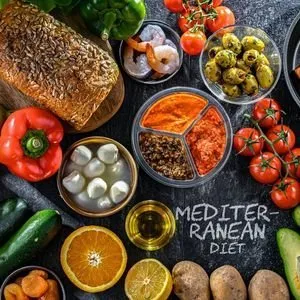
The Mediterranean diet, a dietary pattern inspired by the traditional eating habits of countries bordering the Mediterranean Sea, has long been associated with numerous health benefits. Characterized by a high intake of fruits, vegetables, whole grains, legumes, nuts, seeds, and olive oil, moderate consumption of fish and poultry, and limited red meat and processed foods, this eating style is more than just a diet; it's a lifestyle that promotes cardiovascular health, longevity, and overall well-being. Recent research continues to reinforce its efficacy in preventing chronic diseases, underscoring its importance in public health recommendations.
At its core, the Mediterranean diet emphasizes nutrient-dense, whole foods. Olive oil serves as the primary source of added fat, providing monounsaturated fatty acids and antioxidants. Fresh produce is abundant, offering a rich supply of vitamins, minerals, fiber, and phytochemicals. Legumes, nuts, and seeds contribute plant-based protein, fiber, and healthy fats. Fish, particularly fatty fish rich in omega-3 fatty acids, is a regular feature, supporting brain and heart health. This balanced approach to eating is designed to be sustainable and enjoyable, making it an accessible and effective strategy for long-term health management.
The Science Behind the Mediterranean Diet's Benefits
Cardiovascular Health and Stroke Prevention
One of the most well-documented benefits of the Mediterranean diet is its profound impact on cardiovascular health. Studies, including the landmark PREDIMED trial, have consistently shown that adhering to this dietary pattern can significantly reduce the risk of major cardiovascular events, such as heart attack and stroke. The abundance of monounsaturated fats from olive oil, omega-3 fatty acids from fish, and fiber from plant-based foods helps to improve cholesterol profiles, lower blood pressure, and reduce inflammation, all critical factors in preventing heart disease.
The dietary pattern's emphasis on antioxidants found in fruits, vegetables, and olive oil plays a crucial role in protecting blood vessels from damage caused by free radicals. This antioxidant and anti-inflammatory action helps maintain the elasticity of arteries and prevents the buildup of plaque, a process known as atherosclerosis. By addressing multiple risk factors simultaneously, the Mediterranean diet offers a comprehensive approach to cardiovascular protection, making it a cornerstone of preventive cardiology.

Weight Management and Metabolic Health
While not primarily a weight-loss diet, the Mediterranean eating pattern can be highly effective for sustainable weight management. The high fiber content from fruits, vegetables, and whole grains promotes satiety, helping individuals feel fuller for longer and reducing the likelihood of overeating. The focus on whole, unprocessed foods also means fewer empty calories and reduced intake of refined sugars and unhealthy fats that often contribute to weight gain.
Furthermore, the diet has shown positive effects on metabolic health. It can help improve insulin sensitivity, manage blood sugar levels, and reduce the risk of developing type 2 diabetes. The healthy fats and complex carbohydrates provide sustained energy release, avoiding the sharp blood sugar spikes and subsequent crashes associated with high-carbohydrate, low-fiber diets. This metabolic stability is key to preventing and managing conditions like metabolic syndrome.
Cognitive Function and Brain Health
Emerging research suggests that the Mediterranean diet plays a vital role in preserving cognitive function and reducing the risk of neurodegenerative diseases, including Alzheimer's disease. The same nutrients that benefit the heart also support brain health. Omega-3 fatty acids, antioxidants, and vitamins found in abundance in this diet can help protect brain cells from damage and inflammation.
Studies have indicated that individuals who follow a Mediterranean-style diet tend to perform better on cognitive tests and experience a slower rate of cognitive decline as they age. The diet's anti-inflammatory properties are particularly important for brain health, as chronic inflammation is a known contributor to cognitive impairment. By nourishing the brain with essential nutrients and protecting it from oxidative stress, the Mediterranean diet supports long-term mental acuity.

Longevity and Disease Prevention
The overarching benefit of the Mediterranean diet is its association with increased longevity and a reduced risk of various chronic diseases. Its holistic approach to nutrition, combined with lifestyle factors often associated with Mediterranean cultures (such as regular physical activity and social connection), contributes to a healthier and potentially longer life.
Beyond heart disease, stroke, and diabetes, the Mediterranean diet has been linked to a lower risk of certain cancers, improved gut health, and better management of inflammatory conditions. The emphasis on a diverse range of plant-based foods ensures a broad spectrum of micronutrients and phytonutrients, which are crucial for overall bodily function and disease prevention.
Incorporating the Mediterranean Diet into Your Lifestyle
Key Food Groups to Emphasize
To adopt a Mediterranean eating pattern, prioritize the consumption of:
- Fruits and Vegetables: Aim for a wide variety of colorful produce daily.
- Whole Grains: Choose whole wheat bread, pasta, oats, barley, and brown rice.
- Legumes: Include beans, lentils, peas, and chickpeas regularly.
- Nuts and Seeds: Enjoy almonds, walnuts, sunflower seeds, and others in moderation.
- Olive Oil: Use extra virgin olive oil as your primary cooking and dressing fat.
- Fish and Seafood: Consume fatty fish like salmon, mackerel, and sardines at least twice a week.
- Poultry and Dairy: Opt for lean poultry and moderate amounts of low-fat dairy products.
Foods to Limit
Conversely, it's advisable to minimize intake of:
- Red Meat: Consume sparingly, perhaps a few times a month.
- Processed Foods: Limit sweets, sugary drinks, refined grains, processed meats, and ready-to-eat meals.
- Unhealthy Fats: Reduce intake of saturated and trans fats found in butter, margarine, and fried foods.

Making Gradual Changes
Transitioning to a Mediterranean diet doesn't require a drastic overhaul overnight. Start with small, manageable changes. For instance, swap butter for olive oil in cooking, add an extra serving of vegetables to your meals, or replace white bread with whole-grain options. Gradually incorporating these changes can lead to lasting healthy habits.
Consider making one or two meals per week entirely plant-based, focusing on legumes and vegetables. Experiment with new recipes that feature fish and whole grains. Small, consistent efforts are more sustainable and effective in the long run than trying to change everything at once. Remember, the goal is a balanced, enjoyable, and sustainable approach to eating that supports lifelong health.
Conclusion: A Pathway to Vibrant Health
The Mediterranean diet stands as a testament to the power of whole, nutrient-rich foods in promoting health and longevity. Its scientifically validated benefits, spanning cardiovascular protection, weight management, cognitive health, and disease prevention, make it an exemplary dietary model. By focusing on fresh produce, healthy fats, and lean proteins, and by making gradual, sustainable lifestyle changes, individuals can embrace this time-tested approach to achieve and maintain vibrant health.