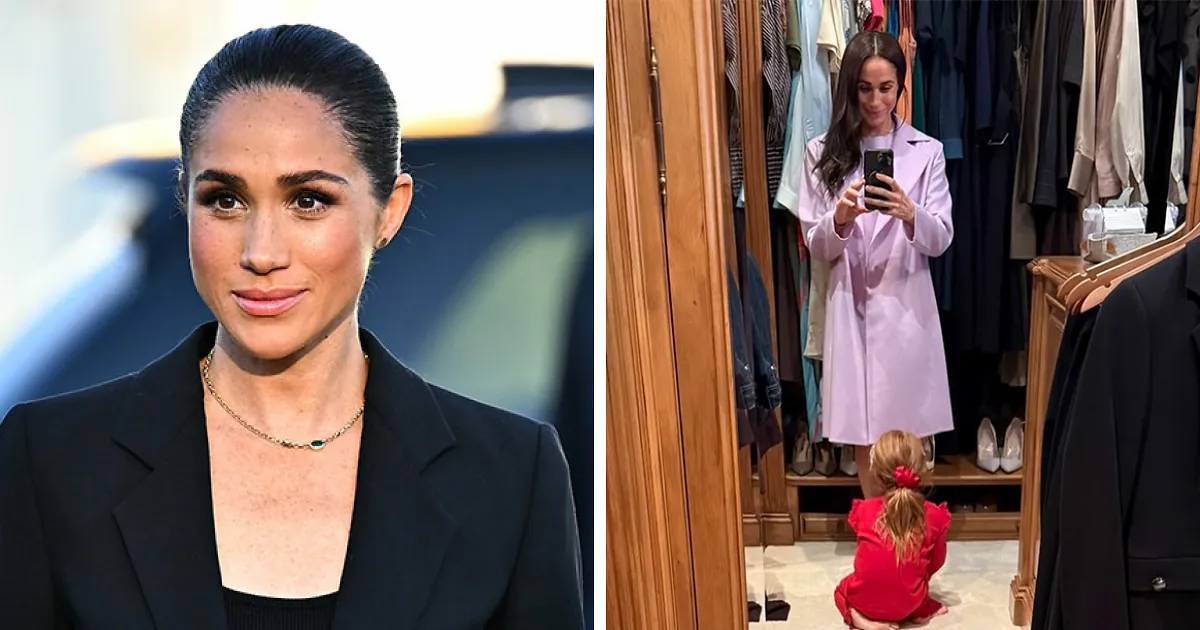
Meghan Markle, the Duchess of Sussex, has drawn significant criticism following a social media post featuring her daughter, Lilibet Diana, shortly before delivering a speech on the pervasive dangers children face online. The incident has ignited a debate surrounding perceived hypocrisy, with critics branding the Duchess's actions as "tone-deaf" and contradictory to the message she intended to convey at a World Health Organization (WHO) event.
The Duchess was invited to address the WHO event, which focused on the critical issue of children's online safety and the need for greater digital protection. Her remarks highlighted the urgent necessity to address online risks as a public health concern. However, the simultaneous publication of a photograph showing her daughter, Lilibet, has led many to question the consistency of her public stance on digital privacy and child protection.
Controversy Surrounding the Lilibet Photograph
The Instagram Post and Its Timing
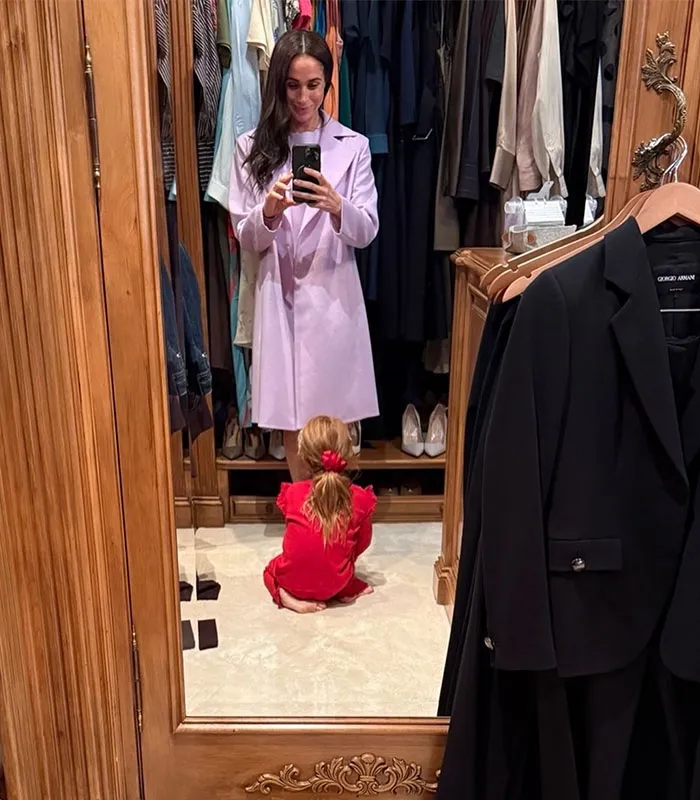
Hours before her address in Geneva, Switzerland, Meghan Markle shared a mirror selfie on Instagram with her four-year-old daughter, Lilibet. The caption, "Mama’s little helper," accompanied the image, which appeared to capture Meghan preparing for her trip. This seemingly innocuous post was met with swift backlash, as many observers viewed it as directly conflicting with the central theme of her forthcoming speech.
Critics argued that posting a picture of her child, even if the child's face was not prominently displayed, contradicted her advocacy for enhanced online safety measures. The core of the criticism centered on the perceived irony of advocating for companies to prioritize user safety over profit while simultaneously engaging in a practice that could be interpreted as exposing her own child to the digital realm, albeit in a controlled manner.
Meghan's Stance on Children's Online Safety
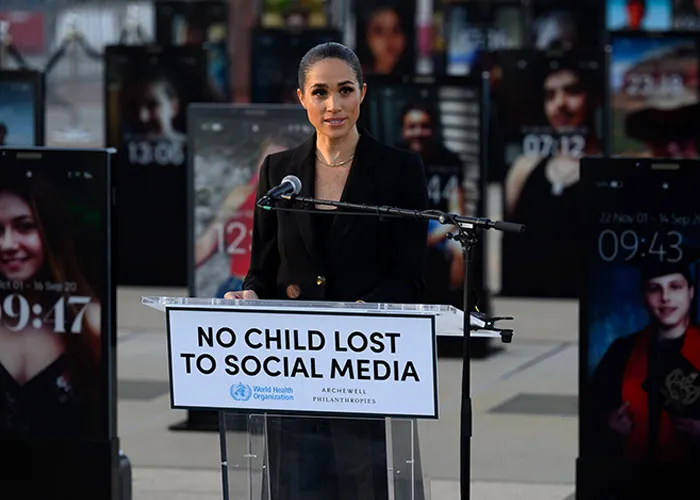
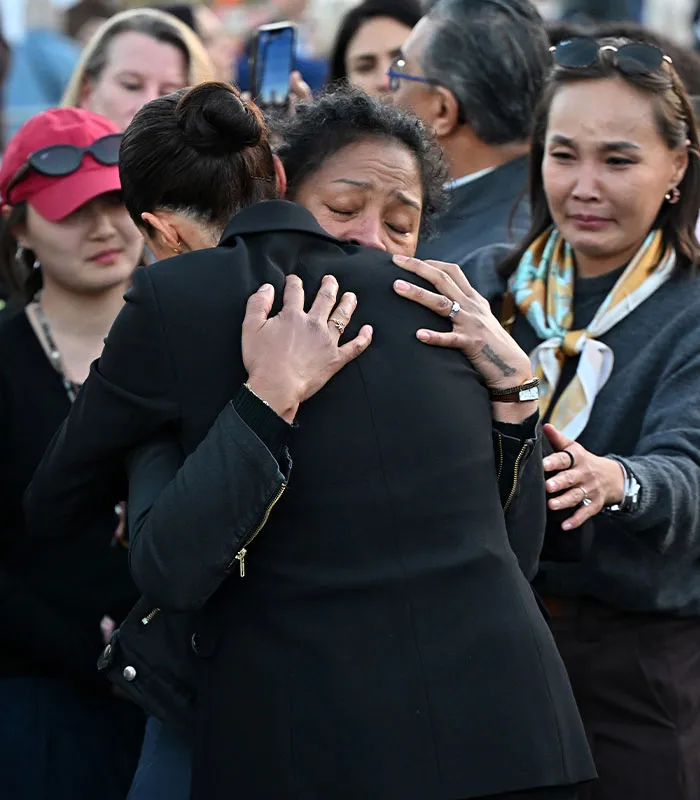
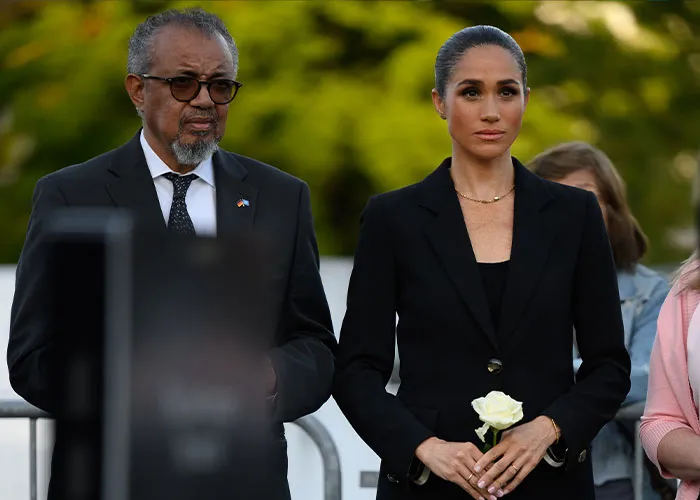
During her speech, Meghan emphasized that children are not commodities and should not be treated as experiments or expendable in the digital landscape. She implored social media companies to re-evaluate their practices, questioning their role in shaping young lives and prioritizing financial gains over the well-being of their users. Her address included a poignant moment where she comforted parents who had lost children due to online harm.
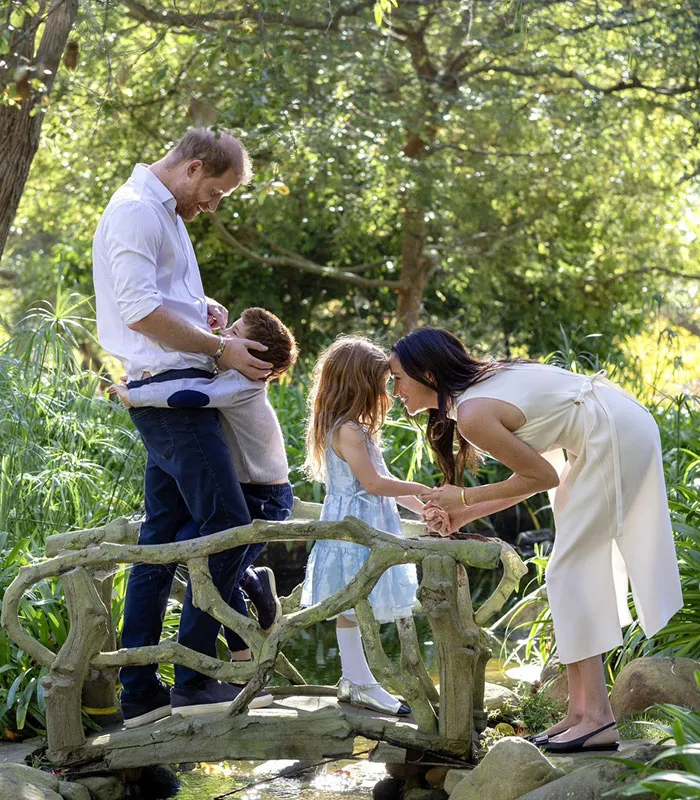
The Duchess, who also has a seven-year-old son, Archie, with Prince Harry, has historically maintained a policy of not sharing clear images of her children's faces. This practice was intended to protect their privacy. However, the recent photograph with Lilibet has led some to question the effectiveness and sincerity of this approach, with some critics suggesting it serves to create a 'curiosity gap' rather than ensure true privacy.
Divergent Reactions and Defenses
Criticism from Commentators and the Public
Prominent commentators, such as Tom Sykes writing for The Royalist, voiced strong opinions, highlighting the apparent contradiction. Sykes remarked on the "breathtaking hypocrisy" of the situation, describing the photograph as "boastful, vain, and staggeringly tone-deaf." The argument was made that while Meghan advocated for robust online protections, her own actions seemed to undermine this message, using her children to generate public interest or promote her various ventures, including her brand 'As Ever' and her Netflix series.
Many social media users echoed these sentiments, expressing disappointment. One widely shared sentiment was, "Don’t use your kids on social media then go and give a speech about the dangers of social media for children." This viewpoint suggests a perceived lack of alignment between Meghan's personal actions and her public advocacy.
Support and Alternative Interpretations
Conversely, a segment of the public and several commentators defended Meghan, asserting that her speech focused specifically on the harmful impacts of social media platforms and the manipulation children can face online, rather than on parents sharing photos of their children. Supporters argued that a picture not showing a child's face is fundamentally different from the exploitative practices Meghan was condemning.
One defense highlighted the distinction: "Pretty stupid if people can not see the difference between a child’s pic not showing her face and the ongoing manipulation the digital world uses that endangers children." This perspective emphasizes that Meghan's intention was to address systemic issues of online exploitation and algorithmic harm, and that her personal social media activity did not equate to contributing to those specific dangers.
The Lost Screen Memorial and Broader Context
Honoring Victims of Online Harm
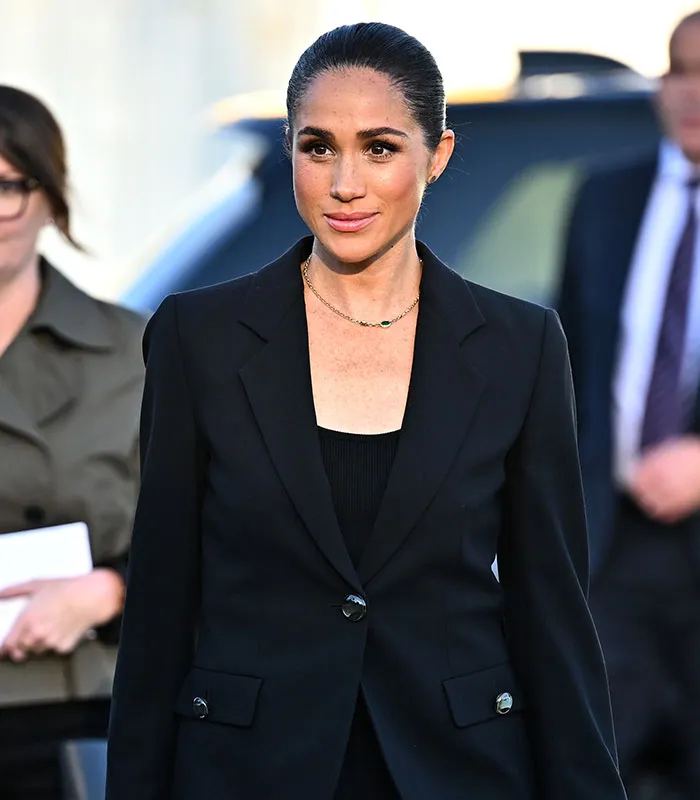
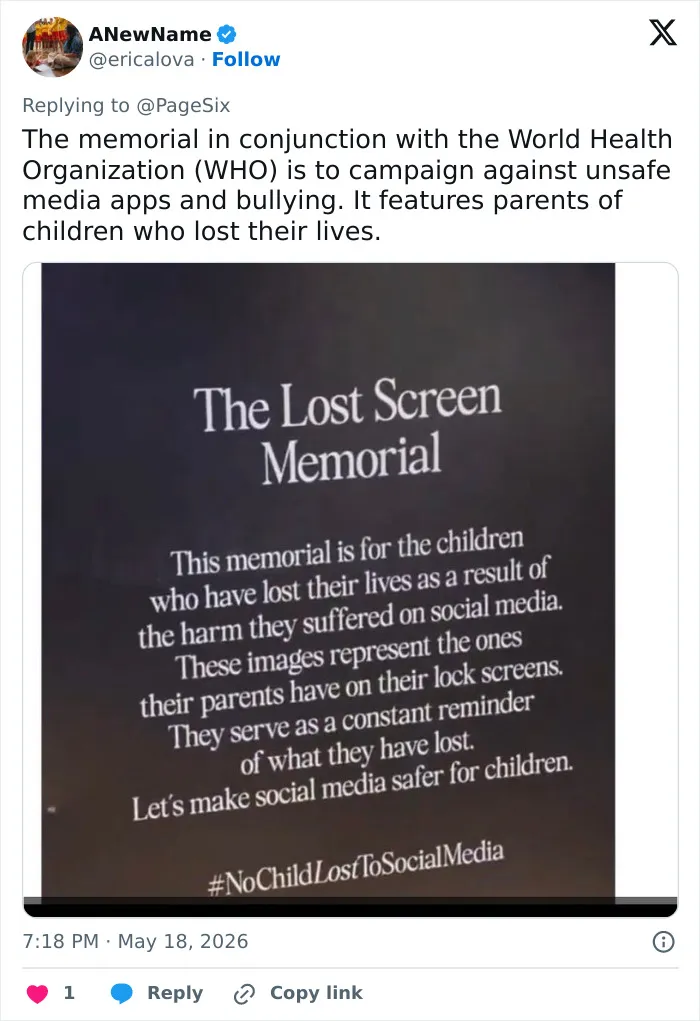
Meghan's attendance at the WHO event was linked to the opening of the Lost Screen Memorial. This memorial was dedicated to 50 children who tragically lost their lives due to severe online harm, including cyberbullying, s*xtortion, and grooming. The memorial, partially funded by charities associated with Meghan and Prince Harry, featured illuminated lightboxes, each displaying a lock-screen photo of a young victim.
The initiative aimed to underscore the profound and irreversible consequences of unchecked online dangers. Meghan's remarks at the memorial emphasized that these children were not mere statistics but individuals with promising futures cut short. Her advocacy underscores a broader commitment to child safety, seeking to inspire a global shift towards designing digital environments with inherent safety for minors.
Advocacy for Systemic Change
Meghan articulated a vision where children's safety is a fundamental design principle, not a matter of chance. She stressed that current digital systems often prioritize capturing attention at any cost, leading to a cycle of exploitation and exposure to harmful content. She called for a proactive approach, urging that new forms of online harm must be met with equally robust preventative measures.
Prince Harry has also publicly voiced concerns about online safety for minors, describing it as "one of the most pressing issues of our time." This shared concern suggests a consistent effort by the couple to address the complex challenges posed by the digital world to young people, advocating for systemic changes to protect vulnerable users.

Public Opinion and Ongoing Debate
The incident has fueled an ongoing debate about celebrity influence, social media responsibility, and the challenges of advocating for child safety in the digital age. While some critics view Meghan's actions as a clear instance of hypocrisy, supporters maintain that her message about online dangers remains valid and distinct from her personal use of social media.
The differing interpretations highlight the complexities of navigating public life and personal advocacy. As the discussion continues, it underscores the broader societal challenge of ensuring children's safety in an increasingly interconnected and digitally saturated world, prompting critical reflection on how individuals, platforms, and policymakers can collectively foster a safer online environment.