The allure of online validation is significantly contributing to a dangerous rise in reckless speeding across South Africa, according to legal experts. The pursuit of likes and popularity on social media platforms is inadvertently glorifying delinquent driving behaviours, turning what should be a serious road safety issue into a trend for online notoriety. This phenomenon is particularly concerning as content creators and even casual users are increasingly sharing videos of themselves engaging in high-speed driving, often in restricted or sensitive areas, thereby normalizing and encouraging such activities among a wider audience.
This trend exacerbates the already critical problem of road safety in South Africa, where speed-related fatalities are a major concern. The digital amplification of these dangerous acts creates a feedback loop, where risky driving is rewarded with online engagement, further incentivizing the behaviour. Experts emphasize that while social media can be a legitimate career path, the content shared must be responsible, especially when it involves activities that pose a direct threat to public safety and lives. The legal ramifications for such actions are being highlighted as a crucial deterrent against this escalating culture of high-speed recklessness.
The Perils of Speed and Online Influence
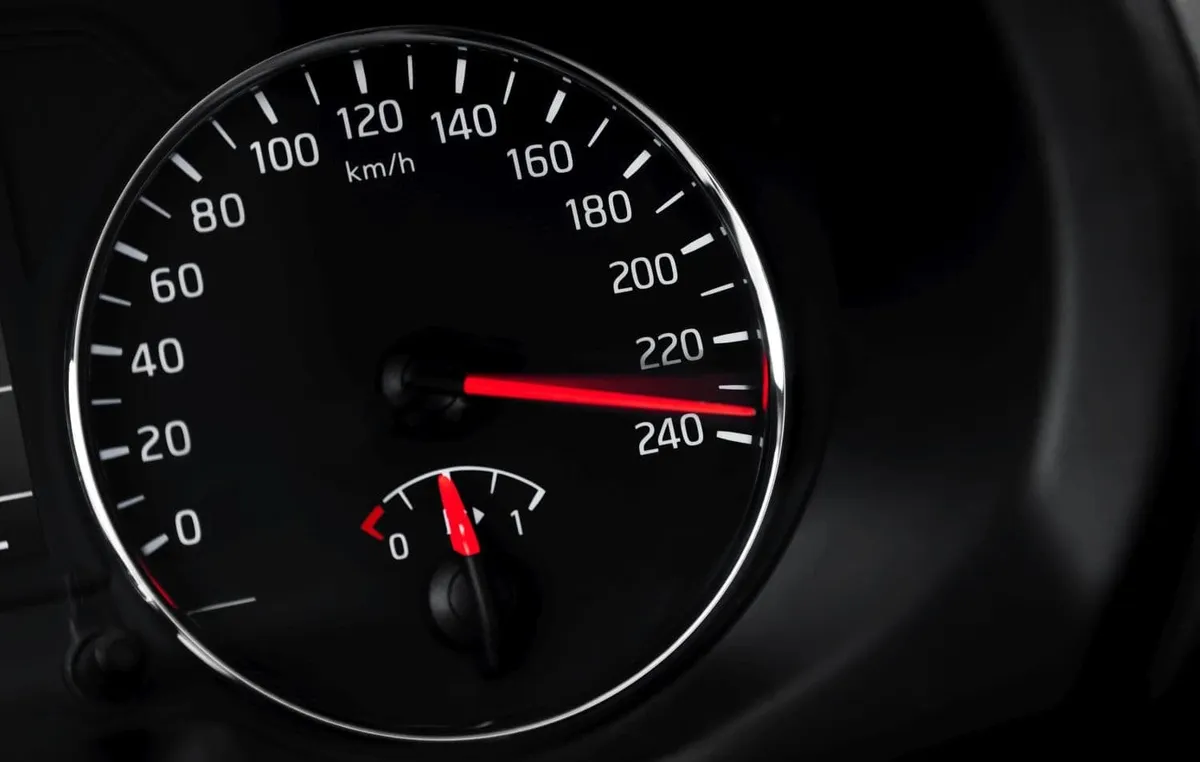
The phenomenon of social media influencing dangerous driving behaviours is a growing concern, as highlighted by the actions of a content creator filmed speeding and driving recklessly within the Kruger National Park. This incident underscores how the pursuit of online fame and engagement can lead individuals to disregard safety regulations and environmental protections. While the ability to earn income through popular online content is acknowledged, the nature of that content remains a critical point of discussion. Even individuals without formal channels are contributing to the problem by sharing videos of extreme speeds, often exceeding 200 km/h, on various platforms. Despite some negative reactions to these videos, the underlying trend persists, indicating a societal normalization of risky driving.
Cornelia van Graan, a criminal law expert, firmly stated that such conduct cannot be tolerated and must be subject to prosecution. She emphasized that deterrence is a fundamental objective of the legal system, and allowing such behaviour to go unpunished would undermine road safety efforts. This perspective gains further weight in light of a recent tragedy where 25-year-old Phillip Bezuidenhout lost his life as a passenger during an illegal street race in Pretoria. His mother’s poignant statement, that his death should lead to the cessation of illegal street racing, serves as a stark reminder of the devastating human cost of these activities.
Addressing the 'Need for Speed'
The AA of South Africa, through its CEO Bobby Ramagwede, has strongly advocated for safer alternatives for individuals with a penchant for high-speed driving. Ramagwede suggested that the adrenaline rush sought by these individuals could be more appropriately channeled into sanctioned motorsport events. He pointed to South Africa's historical association with elite motorsport, such as Formula 1, and encouraged participants to utilize dedicated racetracks for their activities, whether it be drag racing or other forms of motorsport.
Ramagwede highlighted existing facilities like Killarney in Cape Town, which hosts drag racing nights under controlled conditions. He stressed that these tracks are designed for such purposes and operate within safe, regulated environments. In contrast, he unequivocally condemned the dangerous practice of speeding and reckless driving in national parks and on public roads, labelling it as unacceptable behaviour. The AA's stance underscores the importance of separating thrill-seeking from public road safety, advocating for designated venues to satisfy the desire for speed.
Reinforcing Road Rules and Community Responsibility
Martlé Keyter, operations chief executive for the Motor Industry Staff Association (MISA), has urged the public to cease attending and supporting illegal street races. She noted that certain locations, like Steve Biko Road in Pretoria, have become notorious for such events, which continue despite regular law enforcement patrols. Keyter emphasized that the support from spectators, whether through attendance or online engagement, fuels these dangerous activities. She argued that no court sentence could truly compensate for the lives lost due to such reckless behaviour, calling for greater accountability from those who enable it.
The persistent nature of illegal street racing, even in the face of law enforcement efforts, points to a deeper societal issue. Ally Makhafula, DA Tshwane spokesperson on community safety, has directly called upon the Tshwane Metro Police Department (TMPD) to take decisive action against these illegal gatherings. He characterized the street racing as inherently dangerous and a significant threat to the safety of innocent residents and motorists. Makhafula reiterated that the TMPD has been repeatedly notified about the specific street racing activities on Steve Biko Road, underscoring the need for sustained and effective enforcement to prevent further tragedies.
The Broader Impact of Speed-Related Fatalities
The issue of speed-related road fatalities in South Africa extends beyond the immediate dangers of illegal street racing. Statistics reveal that an estimated 40% of the over 21,000 annual road deaths in the country are linked to excessive speed. This figure underscores the pervasive nature of speeding as a contributing factor to road accidents. The tragic loss of life extends to prominent figures within the political landscape, with at least 12 government ministers, deputy ministers, and provincial MECs having perished in road crashes since 2008.
Notable victims include Bavelile Hlongwa, former deputy minister of mineral resources and energy (2019); Collins Chabane, former public service and administration minister (2015); and Molefi Sefularo, former deputy health minister (2010). The circumstances surrounding Collins Chabane's fatal accident, where his vehicle was reportedly traveling at nearly 200 km/h in a 120 km/h zone before colliding with a truck, illustrate the extreme speeds involved in some of these high-profile cases. Such incidents highlight that the dangers of speeding affect all segments of society and reinforce the urgent need for comprehensive road safety measures.
Impact Analysis
The intersection of social media influence and dangerous driving behaviours presents a complex challenge for urban planners and public safety officials. The 'gamification' of driving through online sharing platforms normalizes and even encourages risky actions, moving beyond individual recklessness to a broader cultural issue. This necessitates a multi-faceted approach that combines stricter law enforcement with proactive public awareness campaigns. Smart city initiatives could play a role by leveraging technology for enhanced traffic monitoring and data analysis to identify and address high-risk areas and behaviours more effectively. Furthermore, collaborative efforts between social media platforms, law enforcement, and community safety organizations are crucial to mitigate the negative impacts of online content glorifying dangerous driving, thereby fostering a culture of responsible road use.