A social studies teacher from Kaukauna High School in Wisconsin has been terminated following a controversial social media post that generated significant backlash. The Kaukauna Area School District Board of Education voted 6-1 to dismiss Patrick Meyer after an extensive review process spanning over nine hours, much of which was conducted in closed session.
Meyer's termination stems from a deleted post on the social media platform X, formerly known as Twitter. In the post, he referenced historical presidential assassins and appeared to lament the lack of successful attempts. He wrote, "I am not impressed with recent presidential assassins. It's f---ing embarrassing! Booth, Guiteau, Oswald must all be spinning in their graves! MAGAA (make Americans great assassins again)! Sad!" This statement was made in the context of an assassination attempt on President Donald Trump during the White House Correspondents' Dinner.
Dismissal Justification and Dissent
District's Rationale for Termination
The Kaukauna Area School District stated that Meyer's social media activity created "actual material disruption to district and school operations." This justification formed the basis for the board's decision to proceed with his dismissal. The district had initially placed Meyer on administrative leave on April 27, acknowledging the situation and initiating a review in accordance with established policies and procedures. The school district’s official statement emphasized the seriousness with which they treated the matter, underscoring the impact such content could have on the educational environment.
The termination vote, though decisive, saw one dissenting vote from board member Charles West. West expressed his strong belief in the importance of the First Amendment, stating, "The First Amendment is really important to me. I think we really probably should support that first one." His perspective highlights a broader debate concerning the balance between employee speech rights and the responsibilities of educational institutions to maintain a safe and orderly learning environment free from disruption. Despite his reservations, the majority of the board concluded that Meyer's post crossed a line, necessitating his removal.
Context of the Social Media Post
The White House Correspondents' Dinner Incident
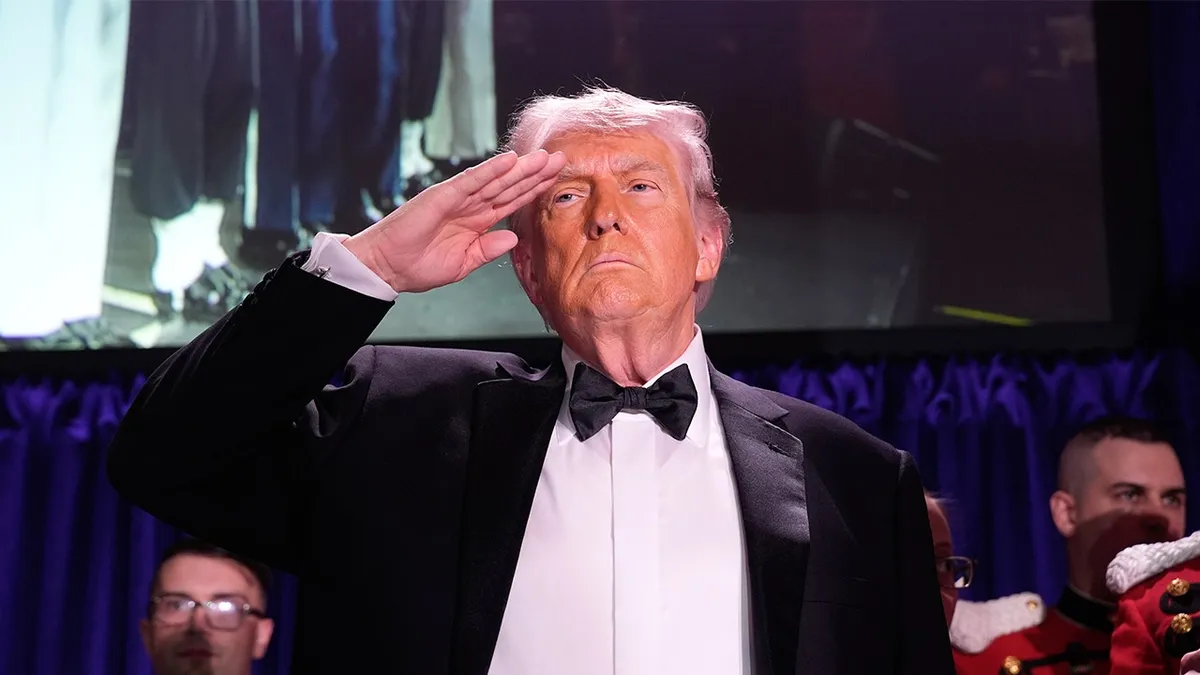
Meyer's provocative post was made in direct response to an assassination attempt on President Donald Trump that occurred on April 25. The incident took place at the Washington Hilton Hotel during the annual White House Correspondents' Association Dinner, an event President Trump was attending for the first time as the sitting president. Authorities arrested Cole Tomas Allen, who was identified as the alleged shooter. The event underscored the ongoing security concerns surrounding high-profile political figures and the potential for extremist actions.
The social media post by Meyer specifically referenced historical figures like John Wilkes Booth, Charles Guiteau, and Lee Harvey Oswald, known for assassinating U.S. presidents. His accompanying acronym, "MAGAA," a play on Trump's "Make America Great Again" slogan, further fueled the controversy by equating political assassination with national greatness. The content was widely perceived as insensitive and potentially inciting, leading to immediate scrutiny and calls for disciplinary action from the community and the school district.
Broader Implications for Educators and Free Speech
Navigating Online Conduct and Professional Responsibility
The case of Patrick Meyer brings to the forefront the ongoing challenges faced by school districts in managing employee conduct, particularly concerning online activities. While educators are often afforded free speech protections, these rights are not absolute and can be limited when speech creates a substantial disruption to the educational environment or violates professional conduct standards. The district's decision emphasizes the view that certain online expressions can negatively impact school operations, student safety, and the reputation of the institution.
This incident is part of a larger national conversation about free speech, social media, and the professional responsibilities of educators. Cases involving teachers' online posts frequently spark debate, with some arguing for broader protections of individual expression and others emphasizing the need for educators to serve as positive role models. The Kaukauna Area School District's action suggests a commitment to maintaining a professional environment that is perceived as safe and conducive to learning, even if it means drawing firm lines on employee speech.