The upcoming 2026 FIFA World Cup, poised to be the largest edition yet with approximately 1,248 players from 48 nations, is facing unprecedented challenges due to a rapidly escalating Ebola outbreak in the Democratic Republic of Congo (DRC). This health crisis has already prompted significant disruptions for the national team, raising serious concerns about player welfare, logistical complexities, and the potential for broader impacts as the global event draws nearer.
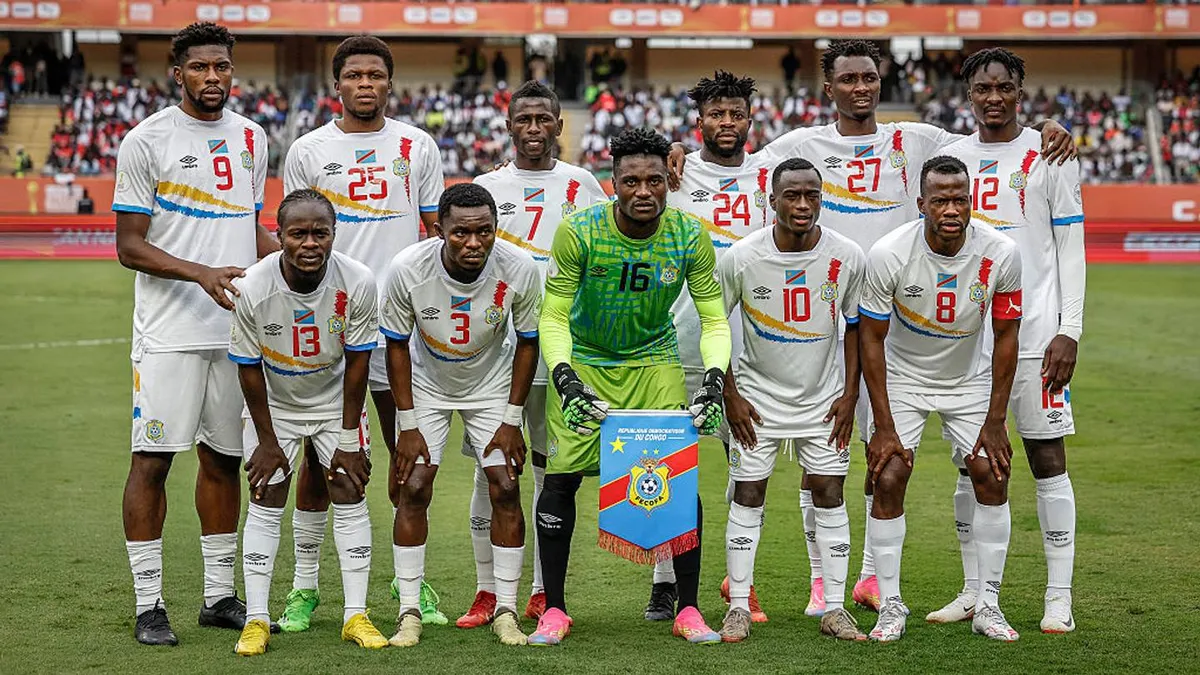
The DRC's national football team, preparing for their first World Cup appearance since 1974, has been forced to relocate their pre-tournament training camp from Kinshasa to Belgium. This decision underscores the severity of the situation, as the team seeks to maintain its preparation schedule amidst public health emergency declarations and travel restrictions imposed in response to the outbreak. The World Health Organization (WHO) has labeled the current outbreak of the Bundibugyo Ebola strain a "public health emergency of international concern," with a rising death toll and a significant number of reported cases spanning the DRC and Uganda.
Health Crisis Impact on DR Congo's World Cup Campaign
The escalating Ebola outbreak has directly impacted the DR Congo's World Cup preparations, leading to the cancellation of their domestic training camp. The team has since moved its base to Belgium, a strategic decision aimed at circumventing the immediate health risks and logistical hurdles presented by the epidemic. This relocation allows them to continue their training and participate in scheduled friendly matches against Denmark and Spain in early June, prior to commencing their World Cup Group K fixtures against Portugal, Colombia, and Uzbekistan in the U.S. and Mexico.
Despite the team's roster consisting of players based outside the affected region, rendering them eligible for entry into the United States, significant concerns persist regarding the movement and entry of essential team staff, officials, journalists, and traveling fans. The United States has implemented strict public health measures, including an emergency rule barring entry to individuals with recent travel history to affected nations. These regulations could create substantial obstacles for individuals associated with the DR Congo contingent seeking to enter the U.S., potentially impacting team operations and fan engagement.
FIFA and International Health Organization Monitoring
FIFA has acknowledged the evolving situation and is actively monitoring the Ebola outbreak. A FIFA spokesperson confirmed that the organization is in close communication with the Congo DR Football Association. The primary objective is to ensure that the national team is fully informed of all medical and security advisories pertinent to the outbreak and their travel to tournament venues. This proactive communication aims to mitigate risks and ensure compliance with health protocols established by international and local health authorities.
The World Health Organization continues to classify the outbreak as a serious international concern, particularly given that the Bundibugyo strain of Ebola currently lacks specific treatments or vaccines. This adds a layer of complexity to containment and management efforts. The U.S. government's response, including invocation of emergency public health rules and diversion of flights to Canada due to denied entries, highlights the global apprehension surrounding the potential spread of the virus. Mexico, while issuing a travel advisory, has not imposed entry bans on travelers from the DRC, indicating varying national approaches to the health crisis.
Assessing the Risk of North American Spread
Experts suggest that the risk of a widespread Ebola outbreak in North America remains low, though not entirely zero. Infectious diseases specialist Dr. Isaac Bogoch noted that while the vast majority of transmissions occur within affected African regions, historical instances from the 2014 West African outbreak demonstrated that isolated cases could travel via commercial airlines to distant locations, including Nigeria and the United States. However, these did not result in significant North American outbreaks.
The current situation prompts heightened vigilance and potential screening measures at airports worldwide. Governments are expected to review their travel interactions and proximity to affected countries. While the U.S. has implemented stringent entry bans, and the administration's public health leadership structure is noted as a point of concern by some, the collaborative efforts between FIFA, health organizations, and national football associations are crucial in managing the risks associated with the 2026 World Cup amid this ongoing health emergency.
Impact Analysis
The Ebola outbreak in the Democratic Republic of Congo presents a significant and complex challenge for the 2026 World Cup. Beyond the immediate concerns for the DR Congo national team and its staff, the situation highlights the interconnectedness of global health and major international sporting events. The stringent travel restrictions and public health measures implemented by host nations, particularly the United States, could create logistical nightmares and affect the participation of individuals and potentially even the flow of fans. FIFA and health organizations face the critical task of balancing the imperative of ensuring participant and public safety with the logistical demands of hosting a global tournament. The successful management of this health crisis will serve as a test case for future international events navigating similar public health emergencies, emphasizing the need for robust international cooperation, transparent communication, and adaptable contingency planning.