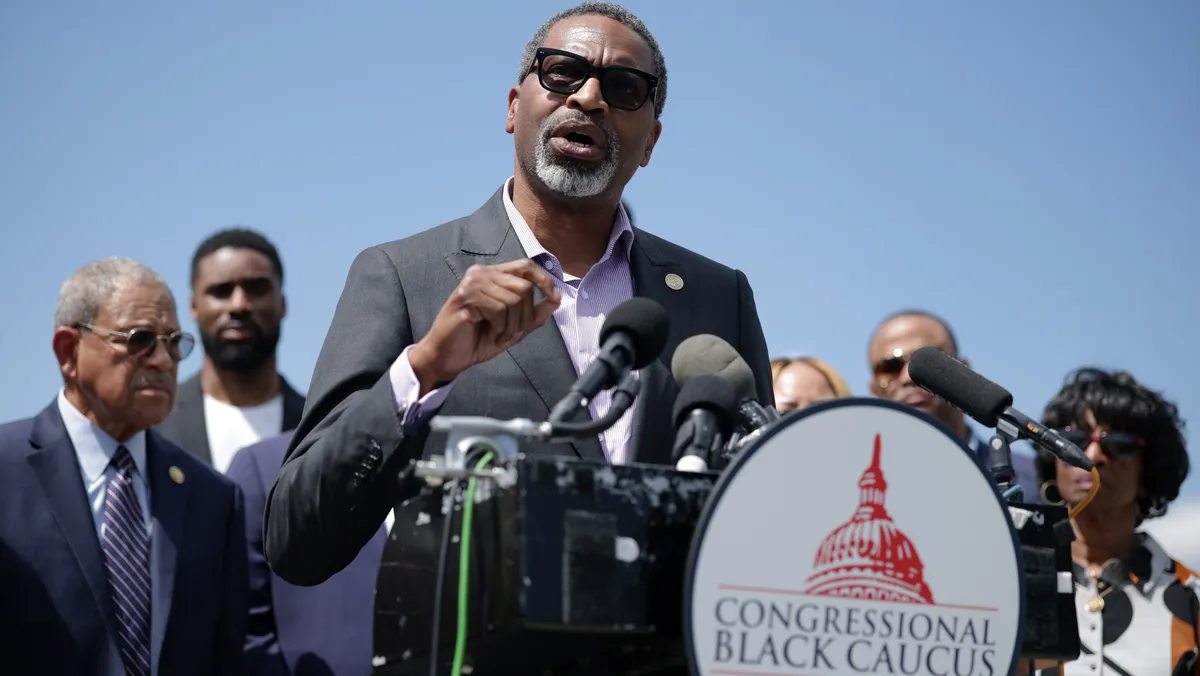
The National Association for the Advancement of Colored People (NAACP) has initiated a significant campaign, dubbed "Out of Bounds," urging a boycott of select college athletic programs in Southern states that are actively enacting legislation perceived to suppress voting rights. This initiative draws parallels to historical civil rights movements and the more recent wave of student-athletes advocating for social justice and improved conditions. However, the campaign has also highlighted discussions about the NAACP's current standing and the equitable distribution of responsibility in such activist endeavors.
A prominent critique of the "Out of Bounds" campaign centers on the perceived unfairness of placing the burden of activism on Black college athletes, who are being positioned as the face of this modern movement. Georgia State Senator Harold Jones, a notable voice from this perspective and a graduate of an Historically Black College and University (HBCU), suggested that professional athletes, particularly those in the NFL, might be better suited to lead such boycotts. He pointed out that many states targeted by the boycott also host professional teams, implying that established professional athletes, who earn substantial incomes from these states, should be called upon to take a more prominent role.
The "Out of Bounds" Campaign and its Rationale
The NAACP's "Out of Bounds" campaign specifically targets eight states: Alabama, Florida, Georgia, Louisiana, Mississippi, South Carolina, Tennessee, and Texas. The focus is on college athletic programs that generate over $100 million annually and continue to recruit Black athletes while their respective state governments are criticized for dismantling the political power of Black communities. Tylik McMillan, the NAACP's national director for its youth and college division, articulated the campaign's core message: "The state that is working to erase your grandmother’s congressional district is the same state whose governor will stand on the field and celebrate your touchdown or game-winning shot. We are asking young people — recruits, current athletes, fans — to see that connection clearly and to act on it." McMillan emphasized the interconnectedness of athletic performance and community political power, urging young athletes and fans to recognize and act upon this relationship.
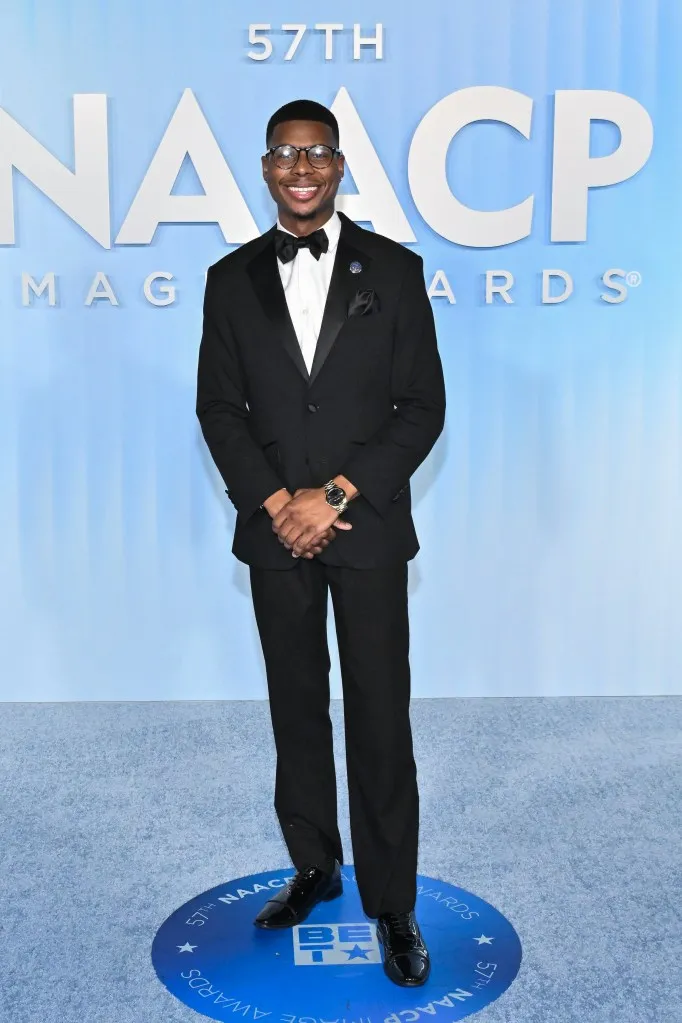 This perspective highlights a critical intersection between entertainment and empowerment, a dynamic often framed as an "either/or" choice, where calls to "stick to sports" aim to divorce athletic participation from broader social and political issues. The NAACP's appeal gains traction from the assertion that civil and human rights remain under significant pressure, making the call for action from a prominent civil rights organization particularly compelling.
Historical Precedents and Athlete Activism
Historically, aligning social justice concerns with high-profile athletes has yielded significant social and financial benefits. Landmark achievements in collective bargaining, from the baseball labor disputes led by Curt Flood in the early 1970s to recent labor agreements secured by WNBA players, demonstrate the power of athletes leveraging their platforms. The threat of college athletes refusing to play has also proven effective in instigating change. For instance, in 2015, Black football players at the University of Missouri threatened a boycott in response to the university president's handling of racial harassment cases, a move that occurred during the burgeoning Black Lives Matter movement.
More recently, in 2020, Mississippi State running back Kylin Hill stated his intention to leave the team if the state of Mississippi did not change its flag, which bore a Confederate emblem. These instances underscore the potential impact of athlete-led activism. However, the landscape has evolved, particularly with the advent of Name, Image, and Likeness (NIL) deals, offering college athletes financial opportunities previously unavailable. This new financial reality, coupled with the potential for lucrative professional careers, introduces complex considerations regarding the feasibility and impact of asking these athletes to forgo potential generational wealth and current financial stability for a boycott.
The Role of Professional Athletes and Broader Civic Duty
Senator Harold Jones’s argument for shifting the focus to professional athletes is rooted in their established financial standing and marketability. "Pro athletes and entertainers can help fund campaigns," Jones stated, suggesting that directing the boycott towards them first is a more pragmatic approach. He also raised concerns about placing the onus disproportionately on college athletes, asserting, "All of a sudden, to put that on college athletes and skip over the adults? Let’s go to them first." With the exception of Alabama, Mississippi, and South Carolina, the states targeted by the NAACP's campaign have professional NFL teams, and five of them also host NBA teams, providing a substantial platform for professional athletes to engage.
 The debate also extends to the civic responsibilities of the general public. The article posits that while professional and college athletes possess unique platforms, the broader population holds strength in numbers, particularly through voter turnout. The urgency that characterized the Civil Rights Movement, it is argued, has waned, leading to suboptimal voter participation. The call to action is, therefore, not solely directed at athletes but also at fans and the general public, urging them to connect the passion and emotion typically reserved for sporting events to the critical fight for voting rights. The NAACP's initiative serves as a reminder that empowerment and entertainment can be intertwined, driven by a fundamental element: empathy.
Impact Analysis
The NAACP's "Out of Bounds" campaign, while drawing on historical precedents of athlete activism, highlights a contemporary tension between athlete engagement in social justice and the evolving financial realities of college sports, particularly with NIL. The debate initiated by Senator Jones also brings to the forefront questions about strategic targeting and the most effective leverage points for social change. Whether the campaign gains widespread traction among college athletes or shifts the focus towards professional leagues, it undeniably reignites the conversation about the role of sports figures in political discourse and the ongoing struggle for equitable voting rights. The outcome could influence future strategies for civil rights organizations seeking to mobilize athletes and the public around critical social and political issues, potentially impacting recruitment, athletic program funding, and the broader political landscape in targeted states.