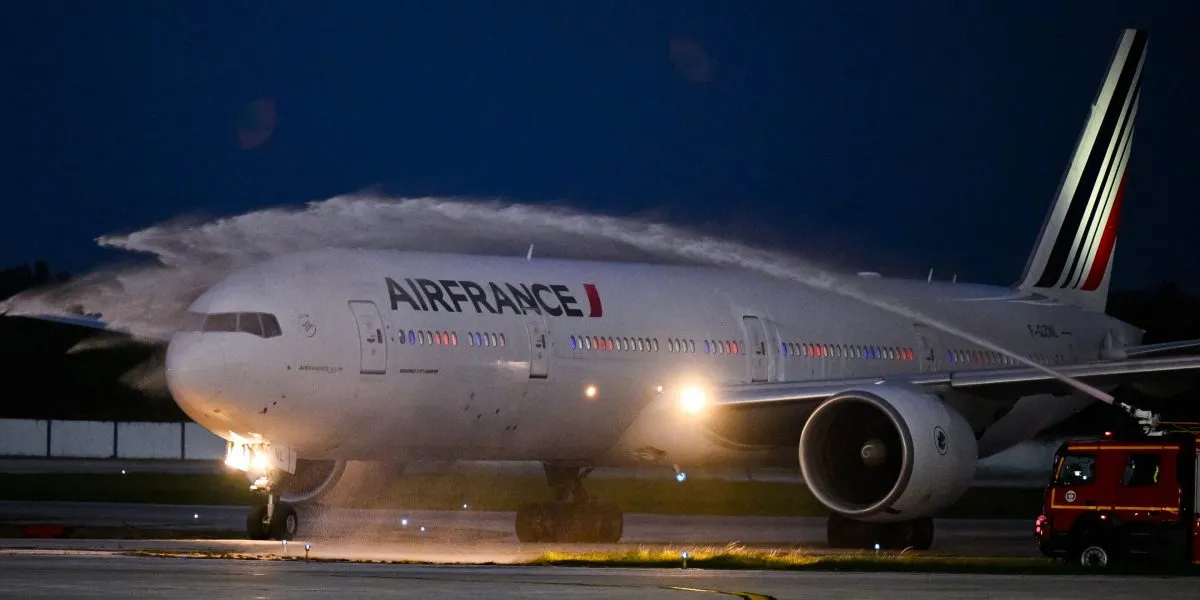
Air France has announced a significant suspension of its flight operations between Paris and Havana, citing the ongoing and severe fuel shortage impacting Cuba. The airline confirmed that flights will be halted for several weeks, beginning March 28, with an anticipated resumption on June 15. This decision underscores the profound economic and logistical challenges currently facing the Caribbean nation, which have direct repercussions on its tourism sector and broader economic activity.
The temporary cessation of services from Paris-Charles de Gaulle Airport to Cuba's capital is particularly impactful given the limited alternative travel routes available for Cubans wishing to reach Europe. Current flight protocols for these routes involve a refueling stop in the Bahamas on return journeys from Havana. The Cuban government has not yet issued an official statement in response to this suspension.
Impact of Fuel Shortages on Cuban Aviation and Tourism
The fuel deficit in Cuba has been a critical issue, prompting the government to formally notify airlines and pilots on February 8 about the unavailability of jet fuel at nine key airports, including Havana's José Martí International Airport. The projected resolution for this particular shortage was initially set for March 11. This has created a ripple effect, significantly hindering air travel and, consequently, the vital tourism industry, which is already grappling with severe blackouts and dwindling oil reserves.
Cuba's economic landscape has been particularly strained by these energy challenges, exacerbated by heightened geopolitical tensions with the United States. The disruption of critical oil shipments from Venezuela, following U.S. actions against the South American nation, has further compounded the island's energy crisis. While the U.S. Treasury Department has subsequently authorized licensed companies to facilitate the resale of Venezuelan oil to Cuba's private sector, substantial improvements to the island's economic and energy situation are not immediately anticipated.
Broader Implications for International Travel and Cuban Residents
The suspension of Air France flights adds to a growing list of international carriers scaling back or halting services to Cuba. Air Canada, for instance, announced its suspension of services on February 9, ceasing an average of 16 weekly flights to four Cuban destinations from Toronto and Montreal. These suspensions disproportionately affect Cuban citizens residing on the island, who rely on these international routes as a primary means to travel to Europe, given the absence of direct or convenient transit options through the United States.
The intertwined crises of fuel shortages, economic instability, and international relations have created a challenging environment for Cuba's tourism sector. The reduction in flight connectivity directly impacts visitor numbers, revenue streams, and the overall perception of Cuba as a viable tourist destination. Stakeholders in the tourism industry, both domestically and internationally, are closely monitoring the evolving situation and its potential long-term consequences.
Analysis of Air France's Strategic Decision
Air France's decision to suspend flights to Havana is a pragmatic response to the operational realities imposed by Cuba's fuel crisis. The necessity of refueling in a third country like the Bahamas adds logistical complexity and cost, making the route unsustainable under current conditions. This move reflects a broader trend among airlines to prioritize operational efficiency and risk mitigation in response to geopolitical and economic instability in destination regions.
The suspension period, from late March to mid-June, suggests an expectation that the fuel supply issues may persist through the spring season. This duration allows the airline to reassess the situation and potentially reintroduce services once greater stability in fuel availability is confirmed. For travelers and the Cuban diaspora, this period represents a significant disruption to travel plans and connections.