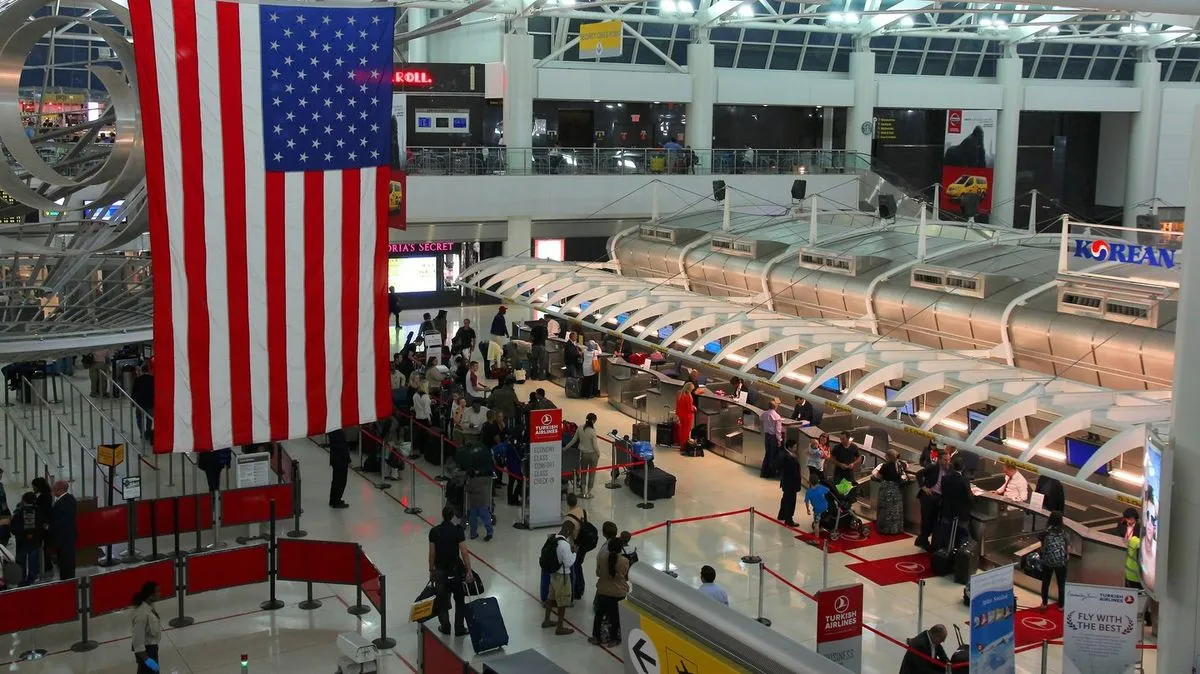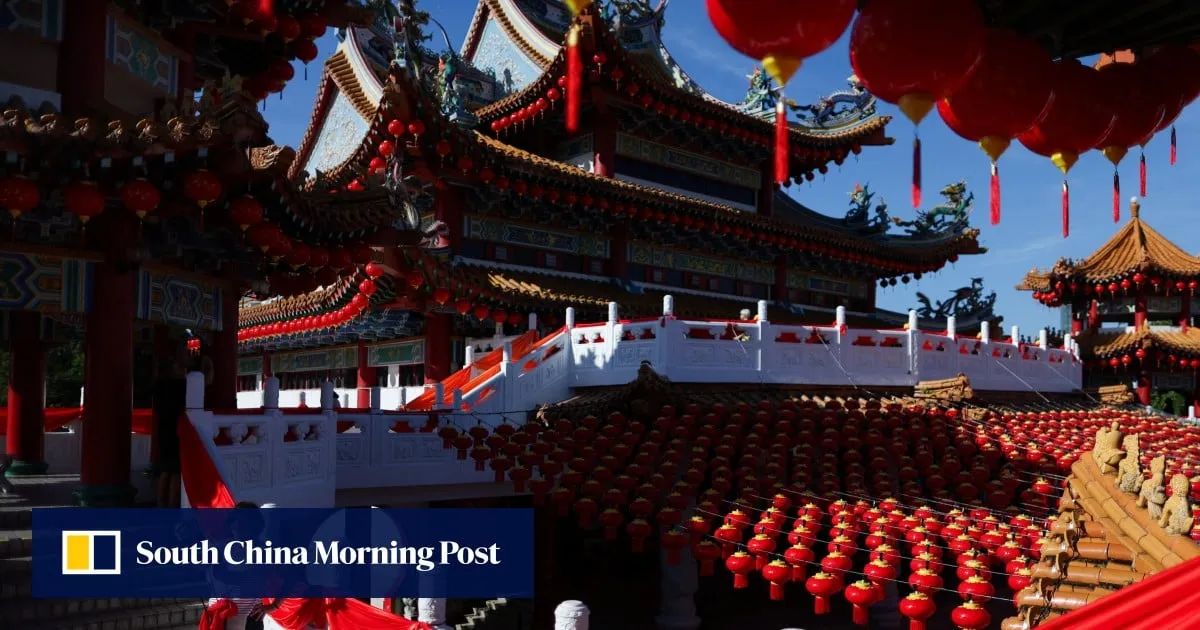
The ongoing geopolitical instability in the Middle East, marked by escalating conflicts, has led to widespread flight disruptions and airport closures globally. This volatile situation has understandably fostered apprehension among international travelers, prompting many to adopt a cautious stance and postpone travel plans. However, within this complex global landscape, Malaysia's tourism industry is projecting a strong sense of confidence in its ability to navigate these challenges and maintain its appeal for the upcoming 'Visit Malaysia 2026' campaign.
Industry leaders emphasize that the nation's diverse international visitor base serves as a critical buffer against potential downturns. This strategic diversification, coupled with Malaysia's established reputation as a premier destination for halal tourism, underpins the industry's optimism. While acknowledging the Middle East as a valuable niche market, particularly for its discerning Muslim travelers, the broader appeal to a global audience is seen as a key strength.
Resilience Through Diversification and Halal Appeal
Nigel Wong, president of the Malaysian Association of Tour and Travel Agents (MATTA), highlighted the proactive approach to managing potential impacts. He noted that the current geopolitical climate has indeed influenced travel decisions, leading to a prevailing 'wait-and-see' attitude among some segments of the traveling public. Nevertheless, Wong underscored that Malaysia's intrinsic appeal remains strong.
He elaborated that Malaysia is consistently perceived as a secure and welcoming environment, especially for Muslim visitors. This perception is crucial for sustaining traveler confidence and ensuring the continued influx of tourists. The country's commitment to providing authentic and accessible halal tourism experiences plays a significant role in this regard, differentiating it in the global market.
Halal Tourism: A Cornerstone of Malaysia's Strategy
The Middle East, while a significant niche market, is not the sole pillar of Malaysia's tourism strategy. Wong pointed out that visitors from this region represent an important demographic, known for their extended stays and higher spending habits, particularly in sectors like family holidays, luxury shopping, and medical tourism. Their patronage is especially vital during key travel periods.
These periods often align with summer holidays and school breaks in Gulf Cooperation Council (GCC) countries, making this segment a crucial component of the tourism economy. The government and industry stakeholders have invested considerably in developing and promoting Malaysia's Muslim-friendly infrastructure and services, ranging from accommodation and dining to attractions and prayer facilities, to cater specifically to this discerning market.
Strategic Positioning for Visit Malaysia 2026
The 'Visit Malaysia 2026' campaign is designed to capitalize on the nation's diverse attractions, encompassing cultural heritage, natural beauty, and vibrant urban experiences. The strategy aims to attract a broader spectrum of tourists beyond traditional markets, mitigating the risks associated with over-reliance on any single region.
By promoting a wide array of tourism products, from eco-tourism in Borneo to historical sites in Penang and the bustling modernity of Kuala Lumpur, Malaysia seeks to offer compelling reasons for travel regardless of geopolitical shifts. The emphasis on safety, cultural richness, and value for money continues to be a strong selling proposition for the Malaysian tourism sector on the international stage.
Impact Analysis
The ongoing geopolitical tensions in the Middle East, while creating a challenging environment for global travel, inadvertently highlight the strategic advantages of Malaysia's diversified tourism approach. The country's ability to attract visitors from various regions, combined with its strong position in the halal tourism market, provides a degree of insulation against shocks originating from specific areas. This resilience is vital for achieving the ambitious targets of the 'Visit Malaysia 2026' campaign and ensuring sustained growth in the national economy. The continued investment in safety, infrastructure, and diverse travel experiences will be key to maintaining this positive trajectory.