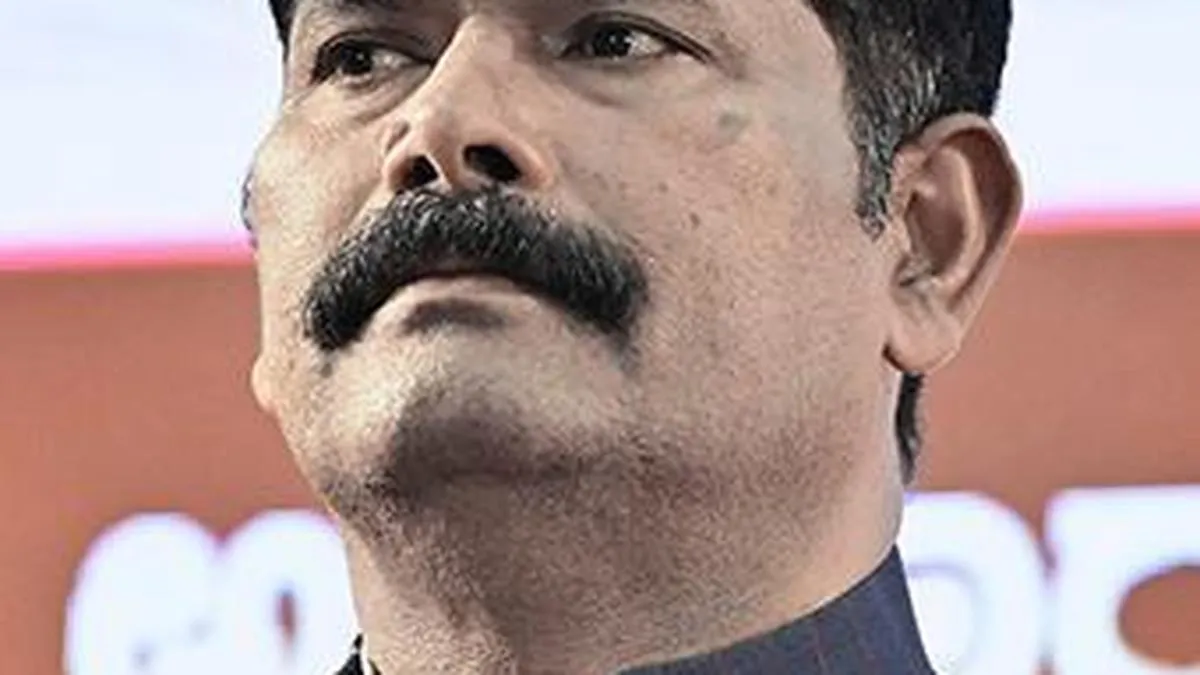
Former Minister Shivraj Tangadagi has issued a strong critique of Prime Minister Narendra Modi and the Bharatiya Janata Party (BJP), asserting that India is currently navigating a period of significant economic challenges. Tangadagi claims the ruling party has become detached from the pressing concerns of the general populace, while critical economic indicators signal distress.
Speaking to reporters in Karatagi, Tangadagi detailed his observations, stating, "There is no petrol in the country, no respect abroad, the rupee is losing value, and there is a lack of courage to face the media. Yet, the arrogance of the BJP leaders remains unchanged." He further elaborated on the hardships faced by citizens, particularly highlighting shortages of essential agricultural inputs like fertilizers and seeds, coupled with a steep rise in the prices of basic commodities. Tangadagi lamented that despite these widespread difficulties, the Prime Minister has maintained a conspicuous silence on these pressing issues.
Economic Challenges and Government Response
Tangadagi drew a stark parallel between the BJP's current stance and what he described as a "drama company." He recalled instances during the previous UPA government's tenure when BJP leaders, including prominent figures like Shobha Karandlaje and Smriti Irani, staged nationwide protests against marginal increases in LPG cylinder prices, often carrying empty cylinders. He questioned their current silence on escalating energy costs and broader economic instability.
The former minister also took aim at what he perceived as dismissive responses from some BJP leaders to the issue of rising fuel prices. He criticized the advice given to citizens to reduce their fuel consumption or rely on public transport as an inadequate and out-of-touch solution to a complex economic problem. Tangadagi suggested that such recommendations fail to acknowledge the realities faced by millions of ordinary citizens who depend on personal or commercial vehicles for their livelihoods.
Criticism of Economic Policies
Tangadagi referenced the criticisms leveled by Congress leader Rahul Gandhi regarding the nation's economic trajectory. He pointed out that while BJP leaders initially dismissed these concerns, they are now compelled to address and explain the current economic landscape. This, he implied, validates the opposition's long-held apprehensions about the government's economic management and its impact on the common people.
The core of Tangadagi's argument revolves around the perceived disconnect between the government's narrative and the on-ground economic realities. He emphasized that widespread inflation, currency devaluation, and agricultural sector distress are not isolated incidents but indicative of systemic issues that require immediate and effective policy interventions, which he believes are currently lacking.
Political Landscape and Ministerial Aspirations
Transitioning to the domestic political arena, Tangadagi addressed speculation surrounding ministerial appointments in the newly formed State government, led by Chief Minister D.K. Shivakumar. He urged his supporters to refrain from organizing protests or demonstrations demanding a cabinet position for him. Tangadagi stressed his commitment as a loyal Congress worker and stated that such public displays would only create embarrassment for the party and undermine its efforts to govern effectively.
He acknowledged that fellow legislators Basavaraj Rayareddi and Raghavendra Hitnal have expressed aspirations for ministerial roles, stating that there is nothing inherently wrong with legislators seeking such positions. Tangadagi expressed confidence in his own political future, noting the opportunities the Congress party has afforded him throughout his public life. He indicated his belief that he would likely be considered for a position during the second phase of the cabinet expansion.
Impact Analysis
The statements by Shivraj Tangadagi highlight a recurring theme in Indian politics: the interplay between national economic performance and public perception, particularly during periods of economic stress. His critique underscores the vulnerability of incumbent governments to challenges such as inflation, currency depreciation, and agricultural distress, which directly impact the daily lives of citizens.
Furthermore, Tangadagi's comments on ministerial aspirations within the Congress party offer a glimpse into the internal dynamics and strategic considerations that shape government formation and stability. His call for restraint among supporters indicates an understanding of the delicate balance required to maintain party discipline and focus on governance, especially in the initial stages of a new administration.