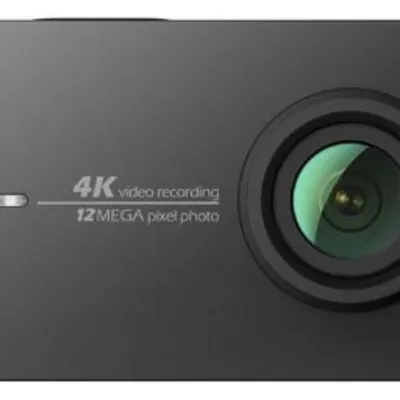
The Ultra High-Speed (UHS) Speed Class is a standardized performance metric for Secure Digital (SD) and microSD memory cards, specifically designed to denote minimum sequential read and write speeds achievable by the card when operating in UHS-I, UHS-II, or UHS-III interfaces. This classification system, promulgated by the SD Association (SDA), provides a critical benchmark for devices requiring high-throughput data transfer, such as digital cameras, camcorders, drones, and high-resolution mobile devices. It is distinct from the older Class 2, 4, 6, and 10 designations, which were based on minimum sustained write speeds regardless of interface. UHS Speed Classes are designated by Roman numerals within a ‘U’ symbol (U1, U2, U3) and specify minimum sustained sequential write speeds of 10 MB/s, 20 MB/s, and 30 MB/s, respectively. These classes are particularly relevant for applications demanding rapid buffer clearing, continuous shooting in burst modes, and recording of high-bitrate video formats like 4K and 8K, where sustained data flow is paramount.
The operational mechanism behind UHS Speed Classes hinges on the electrical signaling and protocol enhancements introduced with the UHS interfaces. UHS-I, for instance, leverages a new, higher-frequency bus (up to 104 MHz) and a single-ended clocking scheme to achieve theoretical maximum speeds far exceeding those of the older High-Speed bus (up to 50 MB/s in SDR104 mode). UHS-II and UHS-III further augment this by introducing a secondary row of pins, enabling full-duplex communication and significantly higher clock frequencies (e.g., 312 MHz for UHS-II FFDDR50), leading to theoretical speeds of several hundred megabytes per second. The UHS Speed Class, therefore, represents the guaranteed minimum performance floor under these advanced interfaces, ensuring a baseline level of data handling capability crucial for demanding multimedia applications. It is essential to differentiate the UHS Speed Class from the UHS Bus Speed, which denotes the maximum theoretical interface speed (e.g., UHS-I, UHS-II).
Mechanism of Operation and Standards
The Ultra High-Speed (UHS) Speed Class is fundamentally linked to the physical and electrical specifications of the UHS bus interfaces, primarily UHS-I, UHS-II, and UHS-III, as defined by the SD Specifications released by the SD Association (SDA). These specifications detail advancements in signaling, data transfer protocols, and pin configurations to achieve higher throughput compared to legacy SD card standards.
UHS-I Interface
UHS-I, introduced with the SD 3.0 specification, operates on a single data lane and supports multiple bus modes. Key modes include:
- SDR12: 12 MHz clock, 25.6 MB/s theoretical maximum speed.
- SDR25: 25 MHz clock, 51.2 MB/s theoretical maximum speed.
- SDR50: 50 MHz clock, 102.4 MB/s theoretical maximum speed.
- DDR50: 50 MHz Double Data Rate, 102.4 MB/s theoretical maximum speed.
- SDR104: 104 MHz clock, 208 MB/s theoretical maximum speed.
A card designated as UHS Speed Class 1 (U1) guarantees a minimum sequential write speed of 10 MB/s when operating within the UHS-I interface. A card designated as UHS Speed Class 3 (U3) guarantees a minimum sequential write speed of 30 MB/s under the same interface conditions. These speed classes are independent of the maximum theoretical bus speed of the specific UHS-I mode (e.g., SDR104).
UHS-II Interface
UHS-II, introduced with the SD 4.0 specification, significantly enhances performance by adding a second row of pins, enabling full-duplex communication and higher clock frequencies. It supports:
- Full-Duplex 312 MHz (FD312): Capable of theoretical speeds up to 624 MB/s.
Cards supporting UHS-II carry UHS Speed Class ratings U1 and U3, with the same minimum write speed guarantees (10 MB/s and 30 MB/s, respectively). However, due to the enhanced bus, UHS-II cards can achieve much higher actual sustained write speeds, often exceeding 70-80 MB/s for U3 rated cards in practice, far surpassing the minimum requirement.
UHS-III Interface
UHS-III, introduced with the SD 6.0 specification, further doubles the data transfer rate by using 8b/10b encoding on the existing dual-lane architecture and supports clock frequencies up to 624 MHz. This results in theoretical maximum speeds of up to 2.4 GB/s.
Similar to UHS-I and UHS-II, UHS Speed Classes U1 and U3 apply, guaranteeing minimum write speeds of 10 MB/s and 30 MB/s respectively, even at these elevated interface speeds. The practical performance on UHS-III cards is substantially higher than the minimums.
Industry Standards and Evolution
The evolution of SD card speed specifications reflects the escalating demands of digital imaging and data storage. Initially, the SD Association established the Speed Class (Class 2, 4, 6, 10) based on minimum sustained write speeds in MB/s, applicable to the older High-Speed bus. As digital cameras gained capabilities for higher resolution video recording (e.g., Full HD) and burst photography, a more robust performance classification became necessary.
The introduction of the UHS Speed Class marked a significant departure, tying performance minimums to the advanced UHS bus architectures. The progression is as follows:
- SD 3.0 (UHS-I): Introduced U1 (10 MB/s minimum write) and U3 (30 MB/s minimum write). This standard became prevalent for mainstream high-definition video recording and continuous shooting.
- SD 4.0 (UHS-II): Maintained U1 and U3 designations but leveraged the dual-lane interface for substantially higher real-world performance, crucial for professional photography and 4K video.
- SD 6.0 (UHS-III): Continued the U1/U3 speed class system while doubling the potential interface speeds, targeting applications requiring extremely high data throughput.
- SD Express: A more recent specification (SD 7.0 and later) that integrates NVMe and PCIe protocols, offering significantly higher speeds comparable to internal SSDs. While not directly part of the UHS Speed Class nomenclature, it represents the next generation of high-performance SD storage, effectively superseding UHS-II/III for the most demanding use cases.
It is critical to note that the UHS Speed Class is a minimum sustained write speed guarantee. Actual read and write speeds, especially sequential read speeds, can be substantially higher, depending on the card's internal controller, NAND flash quality, and the host device's interface capabilities.
Practical Implementation and Performance Metrics
Implementing cards with appropriate UHS Speed Classes is paramount for users engaging in high-demand activities. For example, recording 4K video at 60 frames per second with a high bitrate (e.g., 100 Mbps) requires a sustained write speed of at least 12.5 MB/s (100 Mbps / 8 bits/byte). However, accounting for overhead and ensuring buffer un-filling capability, a U3 card (guaranteeing 30 MB/s) is generally recommended. Similarly, professional DSLRs or mirrorless cameras utilizing high-resolution sensors and fast burst modes can generate image files at rates exceeding the capacity of lower-class cards, leading to buffer limitations and missed shots.
Performance Verification
Manufacturers typically specify maximum theoretical speeds (sequential read/write) and the guaranteed minimum UHS Speed Class. End-users can verify card performance using benchmarking software on compatible host devices (e.g., card readers, cameras with built-in testing capabilities). Factors influencing actual performance include:
- Host Device Controller: The quality and speed of the host's SD card controller.
- NAND Flash Type: The underlying NAND flash memory technology (e.g., TLC, MLC, SLC) impacts speed and endurance.
- Controller Chip: The sophistication of the card's internal controller.
- Interface Compatibility: Ensuring the host device supports the same UHS standard as the card (e.g., UHS-II host required to achieve UHS-II speeds).
Table: UHS Speed Class vs. Minimum Write Speed
| UHS Speed Class | Minimum Sustained Write Speed | Primary Application Use Case |
| U1 | 10 MB/s | Full HD (1080p) video recording, burst photography (entry-level) |
| U3 | 30 MB/s | 4K UHD video recording (up to 60fps), high-speed burst photography, professional video |
Applications
The suitability of a specific UHS Speed Class is dictated by the data throughput requirements of the application.
- Professional Photography: High-megapixel DSLRs and mirrorless cameras benefit from U3 cards to sustain rapid continuous shooting (burst mode) without buffer limitations, especially when capturing RAW files.
- Videography: Recording high-resolution video formats like 4K and 8K, particularly at higher frame rates (60fps, 120fps) and higher bitrates (e.g., H.265/HEVC), necessitates U3 or higher to ensure uninterrupted data flow.
- Action Cameras: Devices like GoPro cameras, often used for capturing high-frame-rate footage and high-resolution stills, require the sustained write speeds of U3 cards.
- Drones: Drones equipped with high-quality cameras for aerial photography and videography depend on U3 cards to handle the continuous stream of image and video data.
- High-Performance Mobile Devices: Smartphones and tablets capable of recording 4K video or utilizing advanced camera features may leverage U3 microSD cards for expanded storage and improved performance.
Pros and Cons
Pros
- Performance Guarantee: Provides a clear minimum performance threshold for demanding applications.
- Compatibility: UHS Speed Classes (U1, U3) are backward compatible with older SD standards, though they will operate at the lower speed of the host device.
- Application Specificity: Tailored to ensure reliable performance for video recording and continuous shooting.
- Standardization: The SD Association's standardization ensures interoperability and clear product differentiation.
Cons
- Minimum Specification: The stated class is a minimum; actual speeds can vary significantly and are often much higher, leading to potential confusion if not fully understood.
- Interface Dependency: True UHS speeds are only realized when both the card and the host device support the same UHS interface (UHS-I, UHS-II, UHS-III). Using a UHS-II card in a UHS-I slot will limit performance to UHS-I speeds.
- Cost: Higher speed classes and advanced interfaces (UHS-II, UHS-III) typically come with a higher price point.
- Read vs. Write: The primary metric is sustained *write* speed; sequential *read* speeds, often critical for offloading data, are not directly defined by the UHS Speed Class, though higher-tier cards generally offer better read performance.
Alternatives
While UHS Speed Classes are the standard for SD and microSD cards, other storage technologies and formats offer alternative performance characteristics:
- CompactFlash (CFexpress): Utilizes PCIe/NVMe protocols, offering significantly higher read/write speeds (multiple GB/s) suitable for the most demanding professional cinema cameras and high-end photography.
- SD Express: The successor to UHS, integrating PCIe and NVMe, providing SSD-like performance in the SD form factor, far exceeding UHS-II/III capabilities.
- Internal Storage (eMMC/UFS): Embedded MultiMediaCard (eMMC) and Universal Flash Storage (UFS) are integrated storage solutions found in smartphones and tablets. UFS, in particular, offers performance approaching that of SATA SSDs.
- External SSDs: For applications requiring massive capacity and extremely high speeds, external SSDs connected via USB 3.2 Gen 2x2 or Thunderbolt offer superior performance but lack the portability and direct integration of memory cards.
Conclusion
The Ultra High-Speed (UHS) Speed Class represents a critical evolution in removable storage performance metrics, specifically addressing the throughput demands of modern multimedia applications. By defining minimum sustained write speeds (10 MB/s for U1, 30 MB/s for U3) within the context of advanced UHS-I, UHS-II, and UHS-III bus architectures, these standards enable reliable operation for high-resolution video recording and high-speed burst photography. While the class designation focuses on minimum write performance, the underlying interface technologies offer substantial potential for much higher sequential read and write speeds. Understanding the distinction between the UHS Speed Class, the UHS Bus Speed, and ensuring host device compatibility are essential for leveraging the full capabilities of these advanced memory cards and avoiding performance bottlenecks in demanding digital workflows.