Myanmar's agricultural sector, the bedrock of its economy and a primary food source, is facing an unprecedented crisis. Farmers like Maung Nu Sein in Rakhine State are struggling with escalating costs for essential inputs such as fuel and fertilizer, critical for the approaching planting season. These rising expenses are directly linked to the global disruption of vital shipping lanes, particularly the Strait of Hormuz, which has been effectively controlled by Iran. This geopolitical instability, originating thousands of miles away, is creating a devastating ripple effect, pushing many farmers to the brink of abandoning their land due to the stark reality that the cost of production now far exceeds the income from selling their crops.
Compounding the external pressures is the protracted internal civil war that has ravaged Myanmar since the 2021 military coup. This conflict has displaced millions, fractured the nation, and severely damaged its economy and healthcare infrastructure. Farmers in regions like Rakhine state were already contending with the military's blockades of aid and supplies and the general economic downturn caused by years of fighting. The added burden of disrupted international trade, specifically the scarcity and increased cost of imported fuel and fertilizer—of which Myanmar relies on for 90% of its fuel and almost all its fertilizer—is pushing an already vulnerable population towards severe food insecurity.
Global Disruptions Fueling Local Devastation
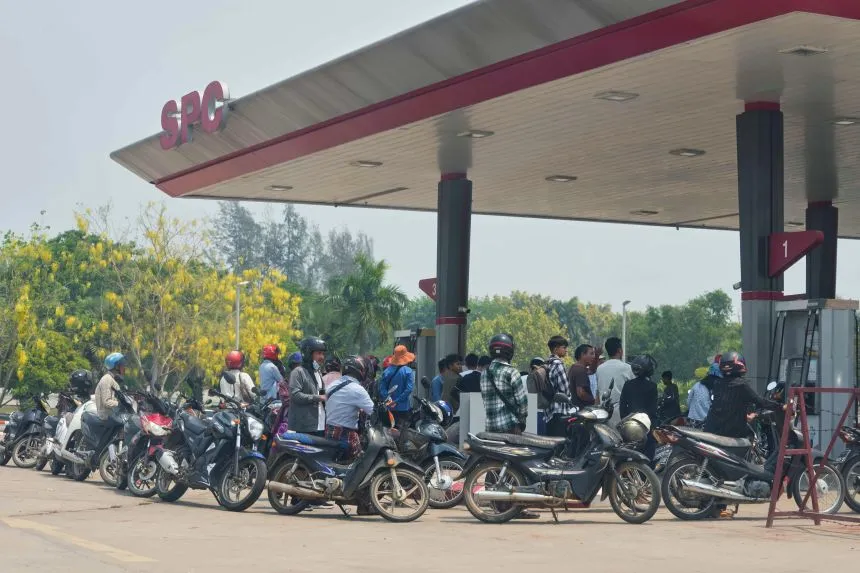
The Strait of Hormuz is a critical chokepoint for global maritime trade, with a significant portion of the world's seaborne fertilizer passing through it. For Myanmar, which imports nearly all its fuel and fertilizer, the disruption of this waterway has severe consequences. The increased cost of fuel directly impacts every stage of the agricultural supply chain, from irrigation and harvesting to transporting goods to market. This surge in operational costs, coupled with dwindling supplies, has led to a sharp rise in the prices of essential items, including food, medicine, and energy, impacting the daily lives of ordinary citizens.
Maung Nu Sein, a 72-year-old farmer, highlighted the dire situation: “The consequences of the Middle East war are having a huge impact here to people already being affected by civil war. This is far worse.” He has been forced to halve the amount of land he cultivates, noting that the cost of plowing a field has skyrocketed from $24 to over $476 due to fuel prices. The income from selling rice now barely covers the fuel cost, let alone labor expenses. This financial strain is forcing many farmers to reduce their output, jeopardizing the nation's food supply, as rice is a fundamental staple for Myanmar's population.

The agricultural sector is not only crucial for domestic food security but also a significant source of revenue through exports. Last year, rice exports generated $861 million for Myanmar. A decline in crop yields due to input shortages and rising costs poses a substantial threat to this income stream and the nation's foreign currency reserves. The World Food Programme (WFP) has cautioned that a reduction in crop yields is “absolutely critical, not just for the farmers but the general food supply within the country.” The timing of these disruptions, coinciding with the peak demand for fertilizer and the rice cultivation season, exacerbates the crisis, particularly for vulnerable regions like Rakhine.
For many, the situation has become untenable. Maung Nu Sein has had to reduce his land use by half, struggling to feed his family of seven. He faces the prospect of borrowing money or pawning his property if conditions do not improve. “This war is increasingly choking us. All we can do is storm through this by eating half a meal per day,” he expressed, underscoring the severity of the food shortage.
Humanitarian Crisis Deepens in Rakhine State
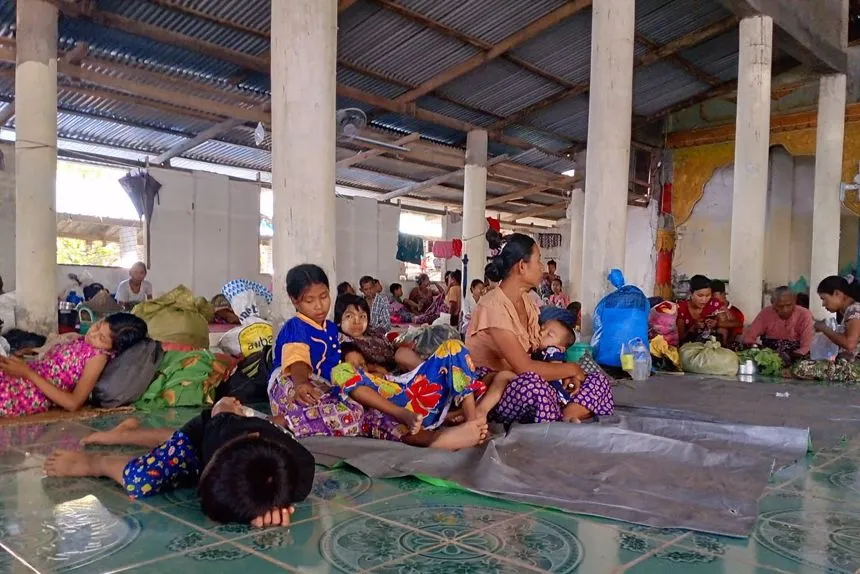
The impact is particularly devastating in Rakhine State, which has been a focal point of intense fighting between the Myanmar military and the Arakan Army (AA). This conflict has led to widespread displacement, with many, like 46-year-old Ma Khin Than, seeking refuge in makeshift displacement camps. These camps, often lacking basic amenities, become particularly precarious as the rainy season approaches.
Ma Khin Than, displaced from her home, now resorts to begging for food to survive. “Sometimes, I get some rice and cloths, sometimes I get nothing,” she recounted. The inability to afford basic necessities, including food, has led to severe malnutrition, impacting vulnerable individuals like infants. Her eldest son’s wife is unable to produce enough milk for their newborn, who required hospitalization, as the family cannot afford formula milk. This highlights a tragic cycle where escalating costs directly threaten the survival of the most vulnerable.
The WFP had previously warned of alarming levels of food insecurity in Rakhine due to the civil war and military blockades on humanitarian aid. Nine months on, the added pressures from the international shipping crisis could lead to catastrophic consequences, with the WFP warning of potential famine-like situations if aid is insufficient. The lack of access to essential items like sanitary products for young women further compounds the hardship faced by displaced families.
Even in major urban centers like Yangon, residents are feeling the economic strain. Khin Khin, a mother of two, reported that her daily expenses have doubled, making saving impossible. The rising costs of school fees and commodities force her to prioritize vegetables over more substantial meals. Her tailoring business has also suffered due to the increased cost of thread and fabric, a direct result of the shipping crisis. The pervasive sense of suffocation and struggle is palpable across different segments of society.
Broader Regional Food Security Concerns
While Myanmar faces an acute crisis due to the confluence of internal conflict and external trade disruptions, the implications extend to the broader region. Asia, a major rice-producing continent, relies heavily on stable global trade routes for both imports of agricultural inputs and the export of its produce. Last year, Asia experienced a robust rice harvest, leading to ample market supplies. However, experts caution that the situation remains fragile.
The potential impact of the disruptions in the Strait of Hormuz on regional rice production cannot be underestimated. Combined with the anticipated El Niño conditions, which typically bring hotter and drier weather to Southeast Asia, this could further strain agricultural output. Alisher Mirzabaev, a senior scientist at the International Rice Research Institute, warned of “compounding, cascading shocks” that could significantly impact food security across the region, affecting millions who depend on rice as a staple food.
In response to the escalating challenges, Myanmar's military-backed government has reportedly encouraged farmers to explore natural fertilizers as an alternative to chemical ones for the upcoming monsoon paddy season. However, for farmers like Maung Nu Sein, the immediate difficulties remain immense. Despite facing insurmountable obstacles, he expresses a profound sense of duty: “Regardless of the deepened struggles, I will continue to work as a farmer. I believe this will somehow help the community that is suffering from the war.” His sentiment reflects a collective resilience and commitment to ensuring food availability, even amidst profound hardship.
The current situation underscores the interconnectedness of global trade, geopolitical stability, and local food security. The disruptions emanating from the Strait of Hormuz, amplified by Myanmar's internal conflict, create a complex web of challenges that threaten the livelihoods of farmers and the sustenance of millions, highlighting the urgent need for global stability and effective humanitarian aid.
Impact Analysis
The ongoing disruptions around the Strait of Hormuz, coupled with Myanmar's severe internal conflict, present a significant threat to regional and potentially global food security. Myanmar's agricultural sector, already struggling with logistics and input availability due to the civil war, is now critically impacted by the rise in fuel and fertilizer costs. This could lead to reduced rice yields, affecting both domestic consumption and export revenues. For neighboring countries and the broader Asian region, a destabilized Myanmar and potential reductions in rice supply could exacerbate existing food security challenges, particularly if other nations also face agricultural impacts from global trade route instability or climatic variations like El Niño. The cascading effects of these disruptions highlight the vulnerability of global food systems to geopolitical events and the critical need for stable international trade and conflict resolution.