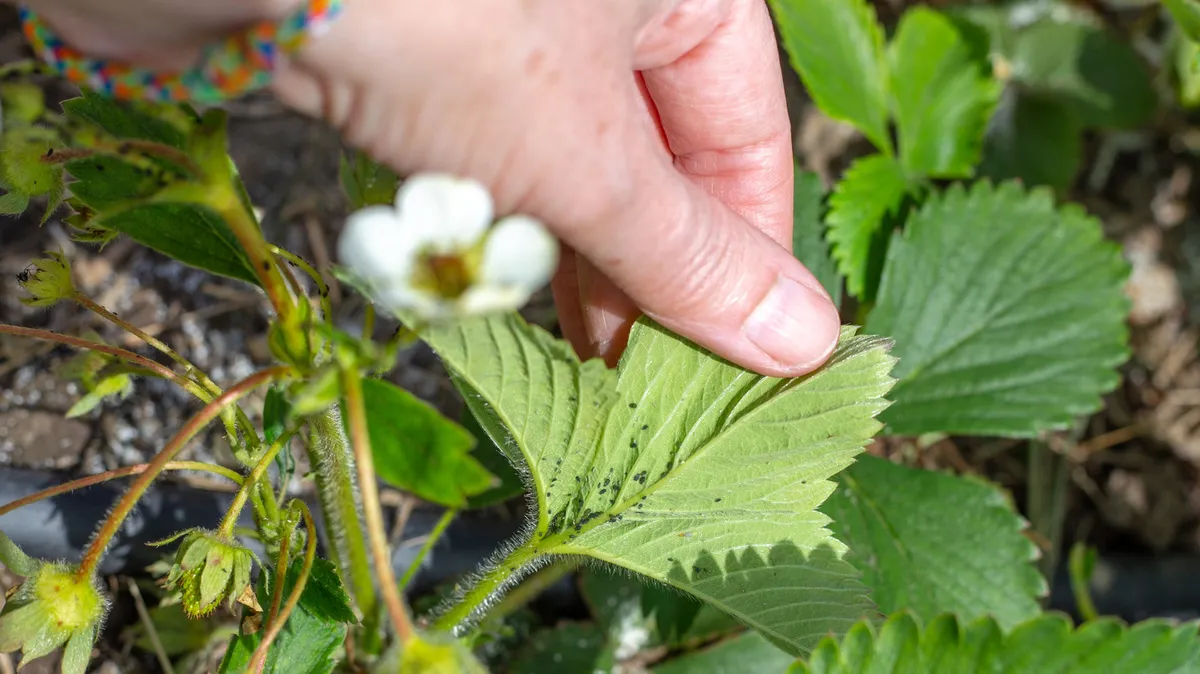
Cultivating a personal vegetable garden offers profound satisfaction, from the initial emergence of tender seedlings to the eventual harvest of homegrown produce. However, the joy of gardening can be significantly diminished by the appearance of pests that compromise the health and yield of meticulously nurtured crops. Among the most persistent adversaries are aphids, small insects capable of stunting plant growth, weakening overall plant vitality, and serving as vectors for viral diseases. Fortunately, effective aphid management does not necessitate the use of harsh chemical pesticides. An established horticultural practice, known as companion planting, presents a natural and effective strategy, particularly when introducing ginger (Zingiber officinale) into proximity with vulnerable crops.
The efficacy of companion planting stems from various biological mechanisms. Certain plant pairings attract beneficial predators that naturally control pest populations, while others emit strong olfactory signals that repel specific insects. Ginger distinguishes itself through its inherent insecticidal properties, which act as a direct repellent to aphids. The key aromatic compounds found in ginger—gingerol, shogaol, and zingiberene—are recognized for their natural pest-deterring qualities. Scientific inquiry has provided evidence supporting this interaction; a 2025 study published in Horticulturae demonstrated that the application of ginger shoot extract significantly reduced aphid populations on treated crops, thereby validating the plant's repellent capabilities. While this research and similar studies have primarily focused on concentrated extracts rather than the whole plant, they suggest that integrating ginger into gardening practices may offer a beneficial approach to aphid control when used in conjunction with other integrated pest management techniques.
The Science Behind Ginger's Repellent Properties
The primary mechanism through which ginger deters aphids lies in its volatile organic compounds (VOCs). These aromatic compounds, released from the plant's tissues, create an environment that is highly undesirable for aphids. The sharp, pungent scent is thought to interfere with aphids' olfactory senses, disrupting their ability to locate host plants for feeding and reproduction. Furthermore, some of these compounds may possess direct toxic effects at higher concentrations, acting as a mild contact insecticide. This dual action—repellency and potential toxicity—makes ginger a compelling natural agent in the ongoing battle against aphid infestations in agricultural and horticultural settings.
[IMAGE_X] The complex chemical profile of ginger, particularly its sesquiterpenoid components like zingiberene and beta-bisabolene, along with phenolic compounds such as gingerols, contributes to its pest-repelling efficacy. Research into these specific compounds aims to isolate and potentially synthesize them for more targeted pest control applications. However, the advantage of using the whole plant in companion planting lies in its ecological integration, providing a broader spectrum of benefits to the garden ecosystem, including attracting beneficial insects that may also prey on aphids.
Optimizing Companion Planting with Ginger
Strategic Placement and Root System Compatibility
When considering ginger as a companion plant for aphid management, careful evaluation of garden space, existing plant selections, and environmental conditions is paramount. Ginger's rhizomatous growth habit, characterized by shallow, horizontal spread, necessitates pairing it with plants that do not compete aggressively for superficial soil resources. For instance, planting ginger alongside other shallow-rooted crops, such as certain types of onions or shallots, could lead to competition for water and nutrients. Conversely, deep-rooted vegetables that are frequently susceptible to aphid damage, including tomatoes, peppers, and various cucurbits like squash and cucumbers, are generally well-suited to intercropping with ginger.
This compatibility arises from the differing root depths, allowing each plant to access distinct nutrient and moisture zones within the soil profile. By minimizing direct competition, both the ginger and the primary crop can thrive, while the aphid-repelling properties of ginger continue to offer protection. [IMAGE_X] The established root systems of these larger vegetables can also provide a more stable microclimate for the ginger rhizomes, further enhancing their growth and the production of repellent compounds.
Environmental Considerations for Ginger Cultivation
Ginger exhibits a degree of adaptability regarding its light requirements, thriving in either full sun or partial shade, contingent upon the intensity of the local climate. This flexibility permits its integration into diverse garden layouts. In hotter regions, partial shade is often beneficial to prevent scorching, while in cooler climates, more direct sunlight can promote vigorous growth. The key to successful companion planting with ginger involves meticulous planning of garden spacing to ensure that all plants, including the ginger, have adequate room to reach their mature size without overcrowding.
Proper spacing is critical not only for the health of individual plants but also for the efficacy of the companion planting strategy. Ginger typically requires a spacing of 6 to 8 inches between plants to allow its rhizomes to spread and its foliage to develop fully. When incorporating ginger into an existing garden plan, it is essential to consult the recommended spacing requirements for the adjacent crops. [IMAGE_X] By carefully mapping out the garden and adhering to appropriate spacing guidelines, growers can create a balanced ecosystem where ginger effectively contributes to aphid deterrence without compromising the growth potential of other vegetables.
Alternative Methods of Ginger Application
While direct companion planting by cultivating ginger rhizomes is a primary method, alternative approaches leverage ginger's repellent properties without dedicating significant garden space to the plant itself. One such method involves preparing a ginger-infused spray. This can be achieved by grating fresh ginger root and steeping it in hot water, followed by straining the liquid. This concentrated extract can then be diluted with water and applied directly to affected plants or as a preventative measure around vulnerable areas.
[IMAGE_X] Another strategy involves using dried ginger powder. Sprinkling a moderate amount of ginger powder around the base of plants can create a localized repellent barrier. However, caution is advised, as excessive application could potentially harm beneficial soil organisms. These methods offer flexibility for gardeners who may not have the ideal conditions for growing ginger or who wish to supplement existing companion planting efforts with additional layers of natural pest control.
The Broader Ecological Context of Companion Planting
Promoting Biodiversity and Soil Health
Companion planting, with strategies like incorporating ginger, extends beyond simple pest deterrence. It plays a vital role in fostering a more resilient and biodiverse garden ecosystem. Introducing a variety of plant species, each with unique characteristics and benefits, can attract a wider range of beneficial insects, including pollinators and natural predators of common garden pests. This ecological approach reduces the reliance on monocultures, which are often more susceptible to widespread pest outbreaks and diseases.
Furthermore, different plants contribute to soil health in varied ways. Some companion plants can improve soil structure, enhance nutrient cycling, or even fix atmospheric nitrogen into the soil. The presence of ginger, with its distinct root system and chemical compounds, contributes to this complex web of interactions. [IMAGE_X] By supporting a healthier soil microbiome and attracting beneficial fauna, companion planting cultivates a more balanced and self-sustaining environment, reducing the need for external interventions.
Ginger's Role in Integrated Pest Management (IPM)
Ginger's utility in aphid management aligns perfectly with the principles of Integrated Pest Management (IPM). IPM emphasizes a holistic approach, combining biological, cultural, and, when necessary, chemical methods to control pests in an economically viable and environmentally sound manner. Using ginger as a natural repellent represents a proactive cultural control method that minimizes ecological disruption. It addresses the root cause of infestation by making the garden environment less hospitable to aphids, rather than solely reacting to damage.
When combined with other IPM tactics—such as crop rotation, maintaining plant health through proper watering and fertilization, and encouraging natural predators—companion planting with ginger can significantly reduce the overall pressure from aphid populations. [IMAGE_X] This comprehensive strategy not only protects crops but also contributes to the long-term health and sustainability of the garden ecosystem, reducing the risk of pesticide resistance and safeguarding beneficial insect populations.
Impact Analysis
The integration of ginger as a companion plant for aphid deterrence represents a significant advancement in sustainable horticultural practices. It offers a scientifically validated, environmentally benign alternative to chemical pesticides, aligning with growing consumer and industry demand for organic and natural food production methods. The widespread adoption of such strategies can lead to reduced chemical runoff into ecosystems, improved soil health, and increased biodiversity within agricultural landscapes. Furthermore, by empowering gardeners with effective, accessible natural solutions, it enhances food security and promotes self-sufficiency at a local level. The ongoing research into the specific compounds responsible for ginger's repellent action may also pave the way for novel biopesticide development, further contributing to a more sustainable future for agriculture and home gardening.