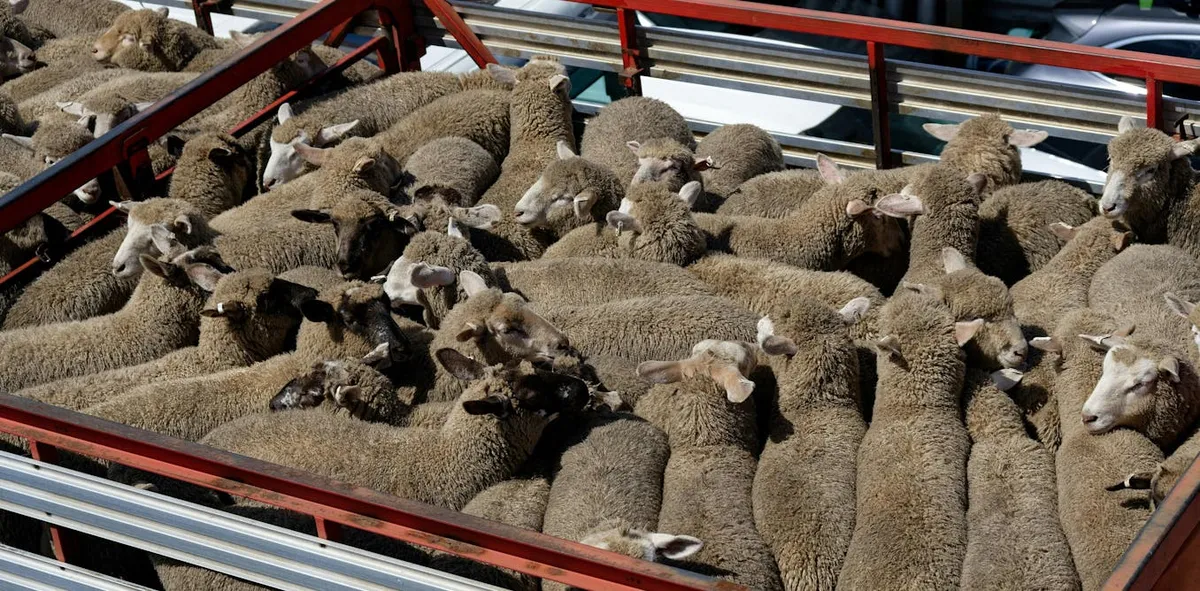
A recent study published in the journal *Animal Welfare* has brought to light critical issues regarding livestock mortality rates within New South Wales saleyards. The research, which marks the first comprehensive documentation of cattle and sheep deaths at these facilities, underscores significant animal welfare and economic concerns within the Australian livestock industry. The findings come in the wake of high-profile incidents, such as a semi-trailer fire transporting cattle in northern New South Wales, which tragically resulted in animal deaths and highlighted the inherent risks faced by livestock during transport and handling.
Transporting livestock over long distances, whether from farms to saleyards, between properties, or to processing plants, is a routine but inherently stressful process for animals. The study aims to fill a crucial gap in scientific research by detailing the fate of livestock post-arrival at saleyards, addressing a problem that impacts animal well-being, industry economics, and public perception.
Investigating Livestock Losses at Saleyards
The study, a collaborative effort with veterinarians from the NSW Department of Primary Industries, utilized data from the National Livestock Identification System (NLIS). This system mandates that saleyard managers report any animal deaths occurring during or shortly after sale days. Researchers analyzed mortality data for cattle and sheep sold across a selection of New South Wales saleyards between January 2021 and December 2024. The investigation also sought to identify potential risk factors contributing to these deaths, including prevailing weather conditions, the scale of the saleyard, and its geographical location.
Sale mortality rates, as defined in the study, encompass animals found deceased upon arrival in transport vehicles, those requiring euthanasia due to severe illness or injury sustained during transit, and any that succumb while being held within the saleyard premises. The findings indicate an average sale day mortality rate of 0.016% for cattle and 0.096% for sheep. When extrapolated to an annual equivalent, these figures suggest a concerning rate of approximately 34.9% for sheep and 5.8% for cattle, based on current sales volumes in New South Wales.
Factors Influencing Livestock Mortality
The research identified specific environmental and logistical factors that correlate with increased mortality. For cattle, higher daily temperatures were significantly linked to elevated death rates. The size and location of the saleyard also played a role. In contrast, for sheep, colder minimum temperatures and the saleyard's location were associated with a greater risk of mortality. These findings suggest that environmental conditions, coupled with the infrastructure and management of saleyards, are critical determinants of animal survival and well-being.
Further examination of the data revealed that specific conditions during transport or at the saleyard contribute to animal stress, which can have fatal consequences. The study points to the need for a more nuanced understanding of how these factors interact to impact different species and breeds. Understanding these correlations is essential for developing targeted interventions to mitigate risks.
Enhancing Welfare Standards and Practices
While Australia has established standards and guidelines for livestock welfare at saleyards, their application and enforcement can vary significantly due to the devolved nature of animal welfare legislation across different states and territories. The study advocates for the implementation of reforms similar to those in the European Union, where consistent regulations apply across all member countries. These often include provisions for shorter journey times and mandatory feeding and watering stops for animals on extended transports.
The authors recommend that Australian animal welfare standards be uniformly enforced across all states and territories. Additionally, comprehensive training programs for all stakeholders involved in the livestock production chain are crucial. These programs should focus on low-stress handling techniques, recognizing signs of stress and fear in animals, and ensuring adherence to minimal welfare standards throughout the entire process, from farm to sale.
Economic Implications and Industry Confidence
Beyond the ethical imperative, the death of livestock at saleyards represents a significant economic loss for the industry. The potential market value of a single cow can range from A$1,800 to A$2,000. Furthermore, stress experienced by animals during transport and handling can negatively impact meat quality, diminishing its value for consumers. High-profile incidents, such as the truck fire, not only result in direct financial losses but also erode public trust in the livestock industry, potentially undermining its social license to operate.
Investing in further research to identify safer transport practices and improved saleyard management protocols is vital. Such initiatives can lead to reduced losses, enhanced product quality, and a strengthened, more confident livestock industry. The study's call for better standards and practices is therefore not just about animal welfare but also about ensuring the long-term economic viability and public acceptance of Australian agriculture.
Impact Analysis
This study provides crucial data that can inform policy changes and industry practices aimed at reducing livestock mortality. The quantified mortality rates and identified risk factors offer a scientific basis for advocating stricter regulations, improved infrastructure, and enhanced training for handlers. The findings highlight a direct link between animal welfare, economic outcomes, and public perception, suggesting that improvements in saleyard management and transport conditions could yield substantial benefits for the Australian livestock sector.