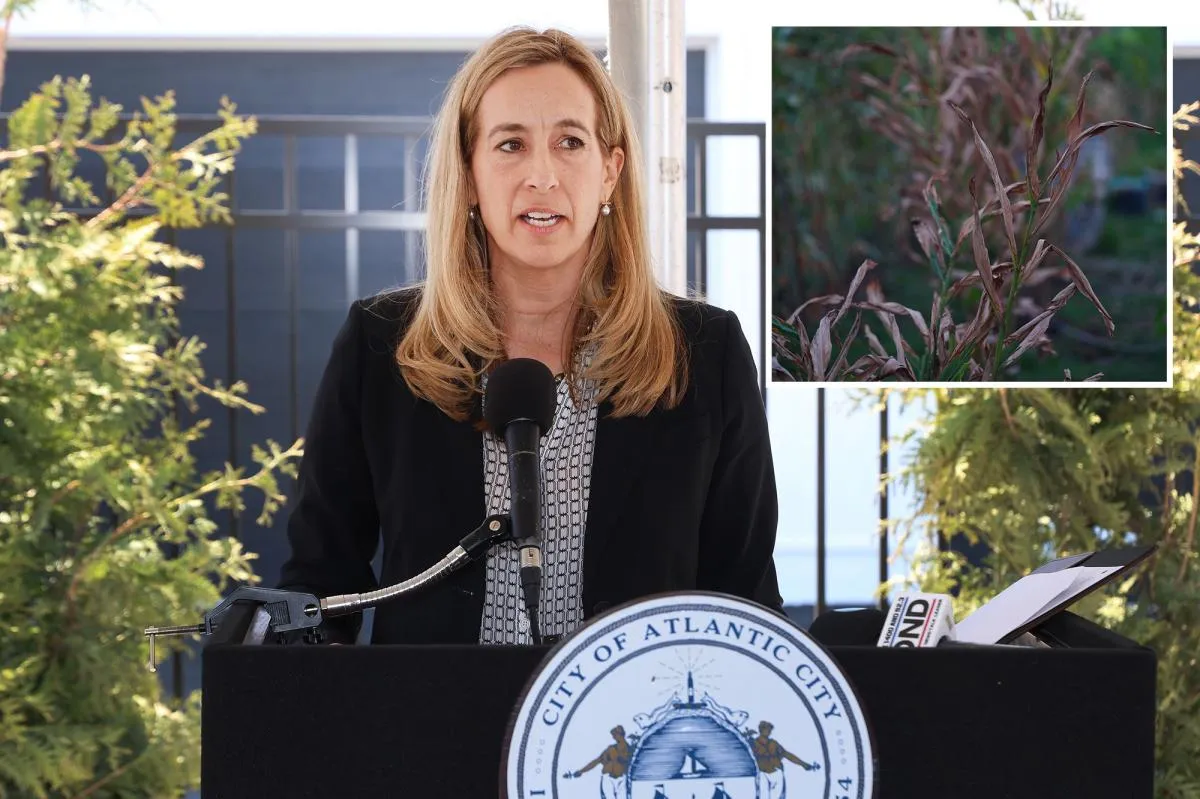
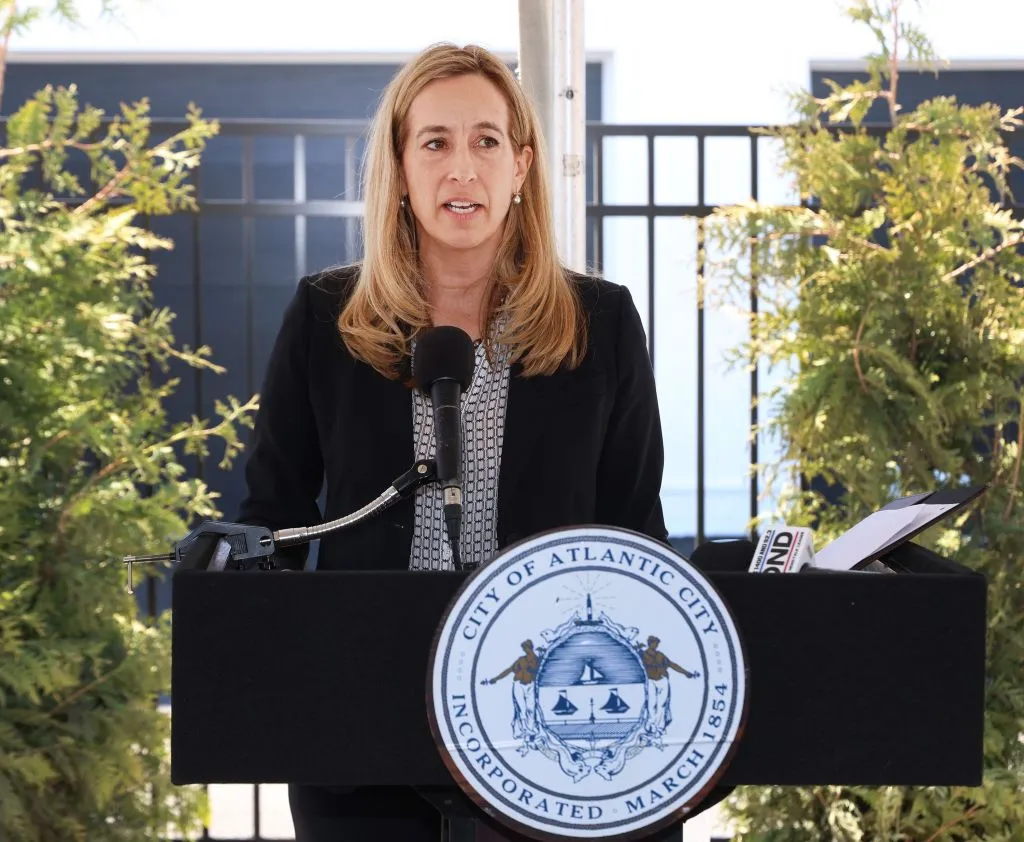
Governor Mikie Sherrill of New Jersey has officially declared a state of emergency following a severe cold snap that caused an estimated $300 million in agricultural damage. The extreme weather event, characterized by unseasonably warm temperatures in early April followed by a sharp drop below freezing, has had a devastating impact on the state's vital farming sector, particularly on crops that had prematurely bloomed due to the initial warmth. This declaration is a critical step towards securing federal aid for the affected growers.
In conjunction with the executive order, Governor Sherrill has formally requested a Disaster Designation from U.S. Secretary of Agriculture Brooke Rollins. This designation is essential for unlocking federal relief programs and financial assistance, which are crucial for helping New Jersey farmers recover from substantial losses. The state's agricultural industry, a significant contributor to its economy and identity as the "Garden State," is facing unprecedented challenges due to these erratic climatic conditions.
Impact of April's Extreme Weather on New Jersey Agriculture
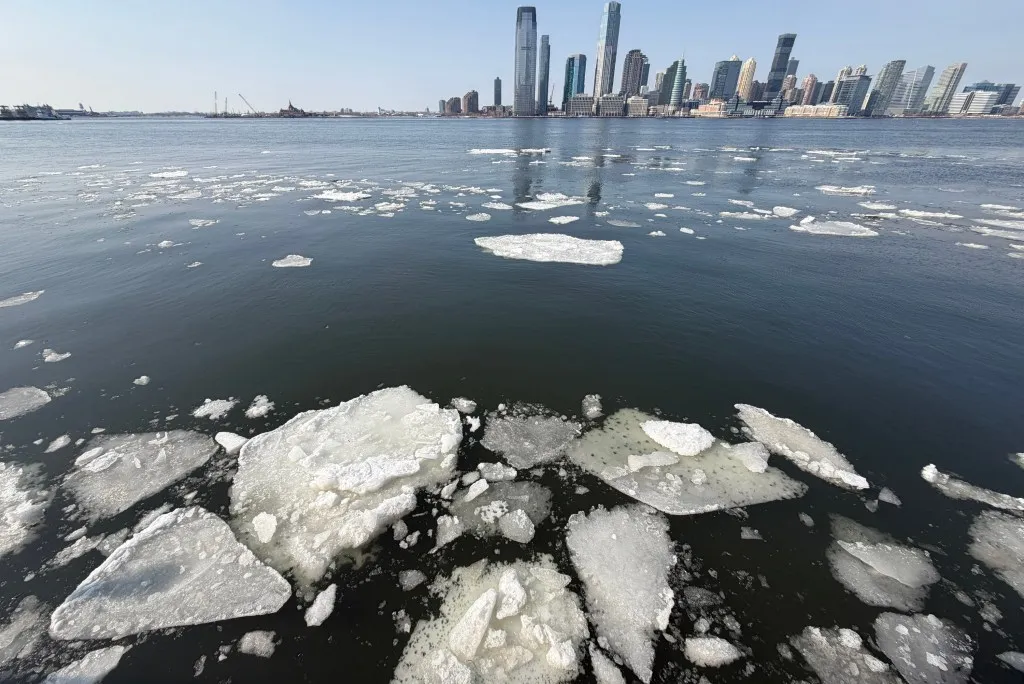
The unusual weather patterns in April created a precarious situation for New Jersey's farmers. An initial period of summer-like temperatures prompted many crops, especially fruit varieties, to bud and flower weeks ahead of their typical schedule. This early development left them highly vulnerable. Subsequently, a deep freeze descended upon the region between April 19 and April 22, with temperatures plummeting below freezing. This sudden and severe drop in temperature was catastrophic for the developing crops, leading to widespread damage and significant financial losses.
 The executive order detailed that nearly all fruit crops were severely affected. Blueberries, which represent the state's highest-selling agricultural product, experienced losses estimated at up to 90% in some areas, effectively ending the growing season for many producers. The financial implications are profound, with the total estimated crop loss reaching $300 million, underscoring the severity of the freeze's impact on the state's agricultural output.
Specific Crop Losses and Farmer Testimonies
The damage extended across a wide range of agricultural products, with particular devastation to fruits. Orchards reported significant impacts on crops like peaches and apples. John Hurff, owner of Schober Orchards, shared with local news outlets that his peach crop was already "hurt pretty bad" even before the main freeze due to the preceding drought conditions. The combination of early warmth, subsequent frost, and underlying dry spells put immense stress on the plants, affecting their growth and yield.
 Hurff emphasized the critical need for water in agriculture, noting that "Everything needs water" and that drought conditions, coupled with temperature extremes, "puts a lot more stress on the plant, puts a lot more stress on you." This highlights the complex interplay of environmental factors that farmers must contend with. The widespread nature of the losses suggests that many farms across the state have experienced similarly dire outcomes, necessitating immediate support measures.
Government Response and Support Measures
Governor Sherrill's administration is mobilizing a comprehensive, "whole-of-government" recovery effort to address the crisis. The executive order aims to expedite the process of providing aid and support to the agricultural community, cutting through bureaucratic hurdles to deliver results efficiently. The governor stressed her commitment to supporting farming families during this difficult period, stating that their struggles require "decisive action" and that she will not "stand by and let it happen."
 The declaration of a state of emergency and the request for federal disaster designation are pivotal in activating resources that can help mitigate the financial fallout for New Jersey's farmers. The state's agricultural sector generates over $1.5 billion in wholesale value annually, making its resilience crucial for the broader state economy. The immediate aftermath of the freeze has cast a shadow over the current season, but the coordinated response aims to provide a pathway toward recovery and future stability for the industry.
Impact Analysis
The severe crop losses in New Jersey underscore the increasing vulnerability of agricultural systems to extreme weather events, which are becoming more frequent and intense due to climate change. The economic repercussions extend beyond individual farm incomes, potentially affecting food supply chains, consumer prices, and the overall economic health of agricultural regions. This event serves as a stark reminder of the need for enhanced climate resilience strategies in agriculture, including advanced forecasting, protective infrastructure, and adaptive farming practices. Furthermore, it highlights the critical role of government support and disaster relief mechanisms in safeguarding the agricultural sector against unpredictable climatic shocks.