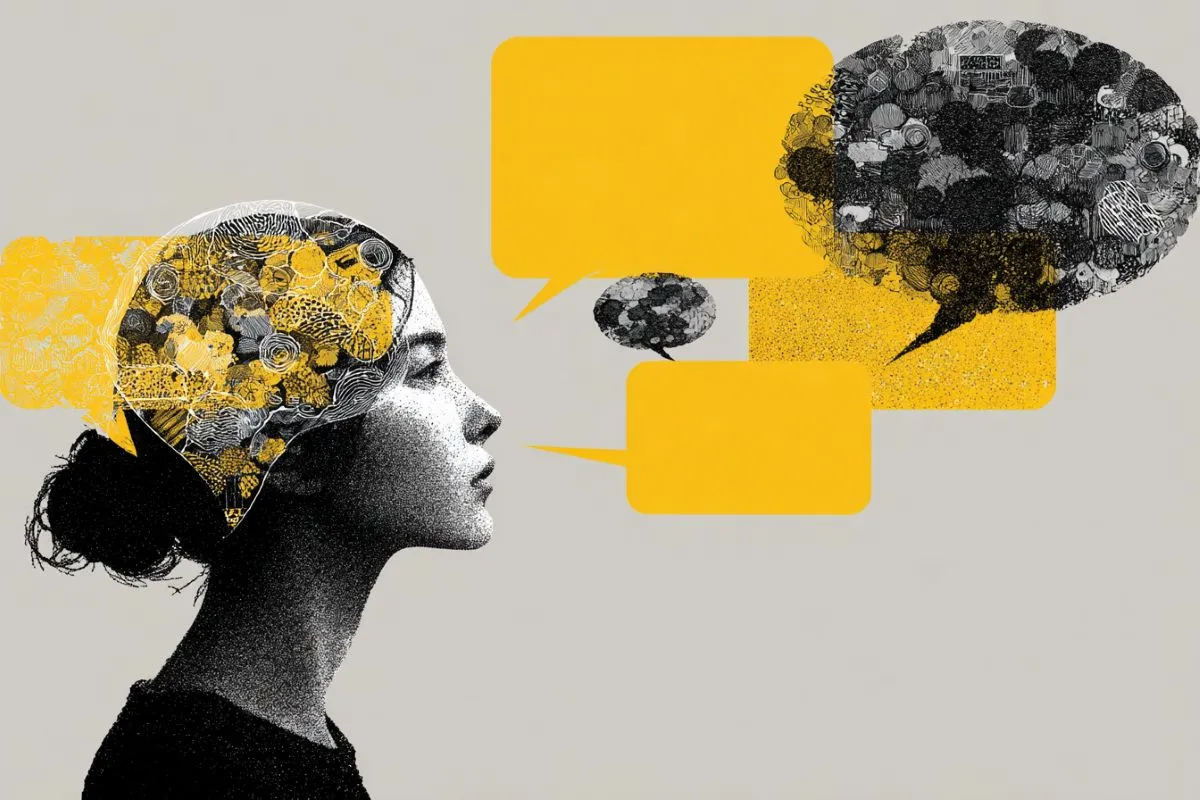
A recent study from the University of the Witwatersrand has uncovered fundamental principles governing how both children and artificial intelligence learn language, highlighting the concept of "iterated learning." This process describes how language evolves over generations to become more structured and, consequently, easier to learn. Researchers built a neural network modeled after a child's learning stages, demonstrating that communication pressures and transmission errors lead to the emergence of linguistic regularities.
The study found that language adapts to be more learnable through the filtering of 'non-arbitrary mistakes'—predictable errors children make that help refine language structure over time. Crucially, deep learning networks with multiple processing layers were necessary to capture these structures, while shallow networks failed. This research bridges cognitive linguistics and AI, suggesting that the underlying principles driving human language acquisition are also fundamental to the advanced capabilities of modern generative AI models.