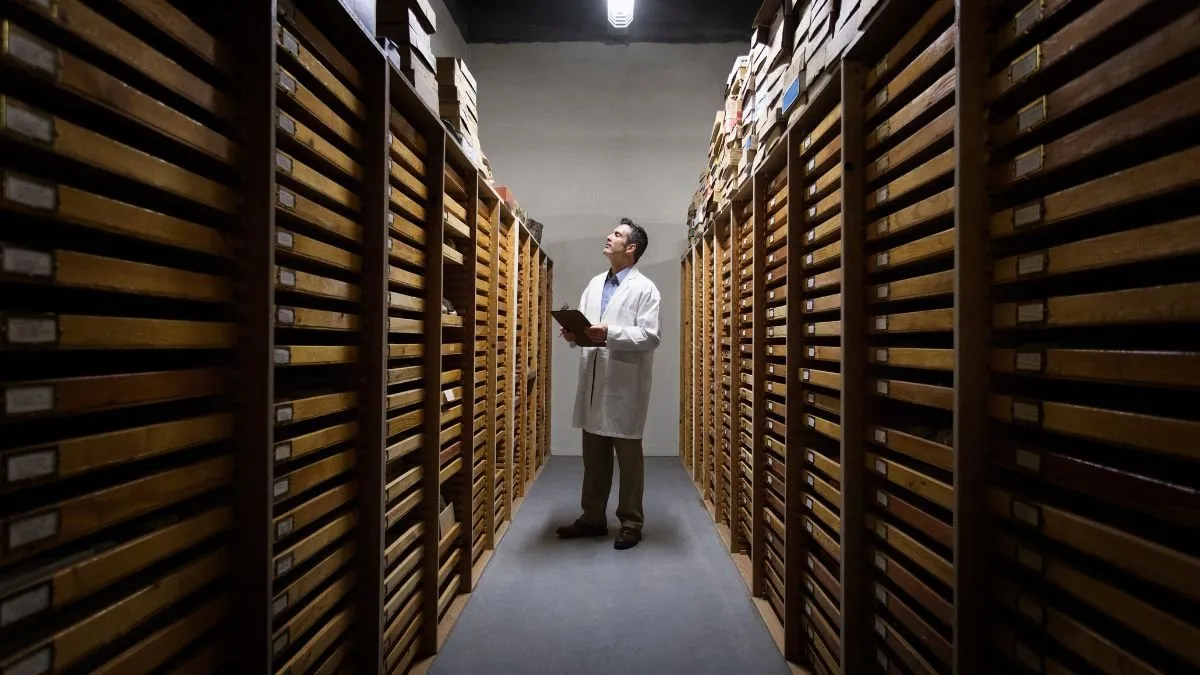
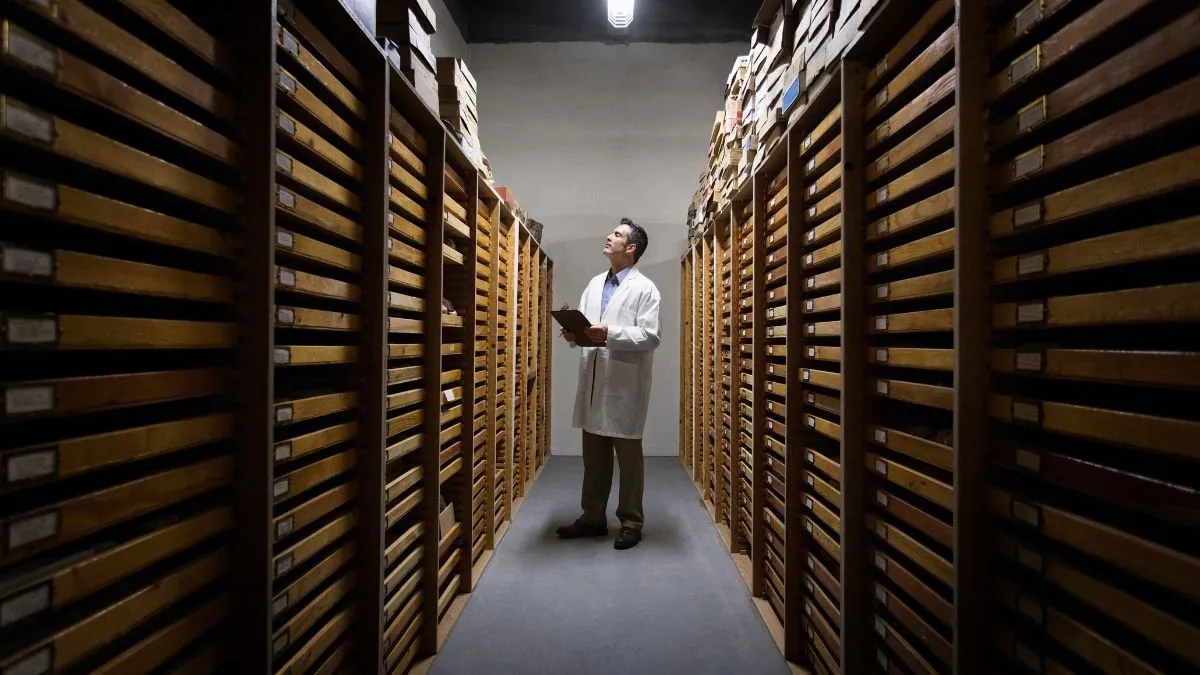
Museums worldwide house vast collections of artifacts, many of which remain uncatalogued and unstudied due to sheer volume and limited resources. These repositories of human history and natural heritage are not just display spaces; they are fertile grounds for new scientific insights. Recent trends highlight how researchers, often revisiting archived materials, are making significant discoveries that were previously overlooked amidst the sheer scale of these collections. This phenomenon underscores the immense, often untapped, scientific potential residing within museum backrooms.
The process of scientific advancement is not always confined to expedition sites or cutting-edge laboratories. For many disciplines, including paleontology, archaeology, and biology, the true treasure trove lies in the carefully preserved specimens and artifacts housed in museums. These items, collected over centuries, represent a static yet invaluable record of the past. When examined with modern analytical techniques and fresh perspectives, these 'forgotten wonders' can yield data that reshapes our understanding of history, evolution, and the natural world.
Discoveries Resurfacing from Museum Archives
The narrative of discovery in science is often portrayed as a linear progression of field research and experimentation. However, a closer look reveals a significant number of groundbreaking findings originating from the meticulous study of existing museum collections. Researchers are increasingly turning to these archives, leveraging advanced imaging technologies, genetic analysis, and material science to re-examine specimens that have been in storage for decades, or even centuries.
These re-examinations are yielding remarkable results across various scientific fields. For instance, detailed analysis of fossilized remains, initially cataloged and stored, has led to a re-evaluation of evolutionary timelines and the identification of previously unknown species. Similarly, archival biological samples, preserved for long periods, are providing crucial data for studies on climate change impacts, biodiversity shifts, and disease evolution. The sheer volume of material means that even a small percentage yielding new information represents a significant contribution to scientific knowledge.
Paleontological Revelations in Storage
Fossil collections represent a significant portion of many natural history museums' holdings. These collections, amassed through extensive fieldwork over many years, often contain specimens that were not fully understood or appreciated with the scientific knowledge of their time. Modern non-invasive imaging techniques, such as CT scanning and synchrotron-based X-ray microscopy, allow scientists to peer inside these fossils with unprecedented detail, revealing internal structures, soft tissues, and even microscopic features without damaging the specimens.
One notable area of research involves avian evolution. The study of fossils like Archaeopteryx, for example, has benefited immensely from new imaging technologies that highlight feather imprints and skeletal details, providing crucial evidence in the ongoing debate about the evolution of flight. Beyond fossils, other paleontological finds, like ancient preserved fish or even insect specimens trapped in amber, are being re-examined for molecular data or subtle morphological details that can offer insights into ancient ecosystems and evolutionary pathways.
Biological Insights from Preserved Specimens
Museums are custodians of an immense diversity of biological specimens, from taxidermied animals and pinned insects to fluid-preserved tissues and dried plants. These collections serve as a historical record of life on Earth, documenting species that may now be extinct or have significantly changed due to environmental pressures. Analyzing these specimens can provide critical data for understanding historical biodiversity, the impact of human activities, and patterns of disease transmission.
Recent studies have utilized ancient DNA extracted from preserved specimens to trace evolutionary lineages and understand the genetic diversity of past populations. Furthermore, the re-examination of archived samples, such as expired cans of salmon or preserved animal tissues, has led to surprising discoveries. For example, these samples have been used to study ancient pathogens, understand the effects of environmental toxins on wildlife populations over time, and even to identify the diet of extinct animals. This approach provides a temporal dimension to biological research that is otherwise difficult to obtain.
Archaeological and Anthropological Treasures
The study of human history within museum archives also yields fascinating discoveries. Artifacts ranging from ancient tools and pottery to human remains offer direct evidence of past human behavior, culture, and societal development. Advanced techniques like radiocarbon dating, stable isotope analysis, and DNA sequencing are being applied to museum collections to uncover new information about ancient trade routes, migration patterns, diets, and even the presence of ancient diseases or tattoos on mummified remains.
The re-analysis of mummies, for instance, has revealed previously undetected tattoos, providing insights into ancient symbolic practices and beliefs. Similarly, the study of ancient human remains, often stored for decades, can offer detailed information about lifestyle, health, and cause of death, contributing to our understanding of human evolution and the history of medicine. These findings emphasize that the past is not static and that our understanding of it is continually refined through new analytical methods applied to existing historical records.
Technological Advancements Enabling New Research
The resurgence of interest in museum collections is largely driven by technological innovation. Tools that were once unavailable or too rudimentary are now enabling scientists to extract more information from specimens than ever before. Digital archiving, 3D scanning, and high-resolution imaging allow for detailed virtual exploration and sharing of collections, facilitating collaboration among researchers worldwide.

Technological advancements extend to analytical methods as well. The development of more sensitive DNA sequencing techniques allows for the retrieval of genetic material from degraded samples. Similarly, advanced chemical analysis methods can reveal details about the composition of ancient materials, the diet of ancient organisms, or the presence of specific environmental markers. These tools transform museum backrooms from passive storage sites into dynamic research environments.
The Enduring Value of Museum Collections
Museum collections are irreplaceable scientific resources. They represent a cumulative record of biodiversity, cultural heritage, and environmental change that cannot be replicated. As scientific methodologies evolve, the value of these collections only increases, offering ongoing opportunities for new research and discovery.

The work of re-examining and re-cataloging these vast archives is crucial. It not only leads to new scientific knowledge but also helps to ensure the long-term preservation and accessibility of these invaluable historical and scientific assets. Museums play a vital role in safeguarding this legacy for future generations of researchers and the public alike.