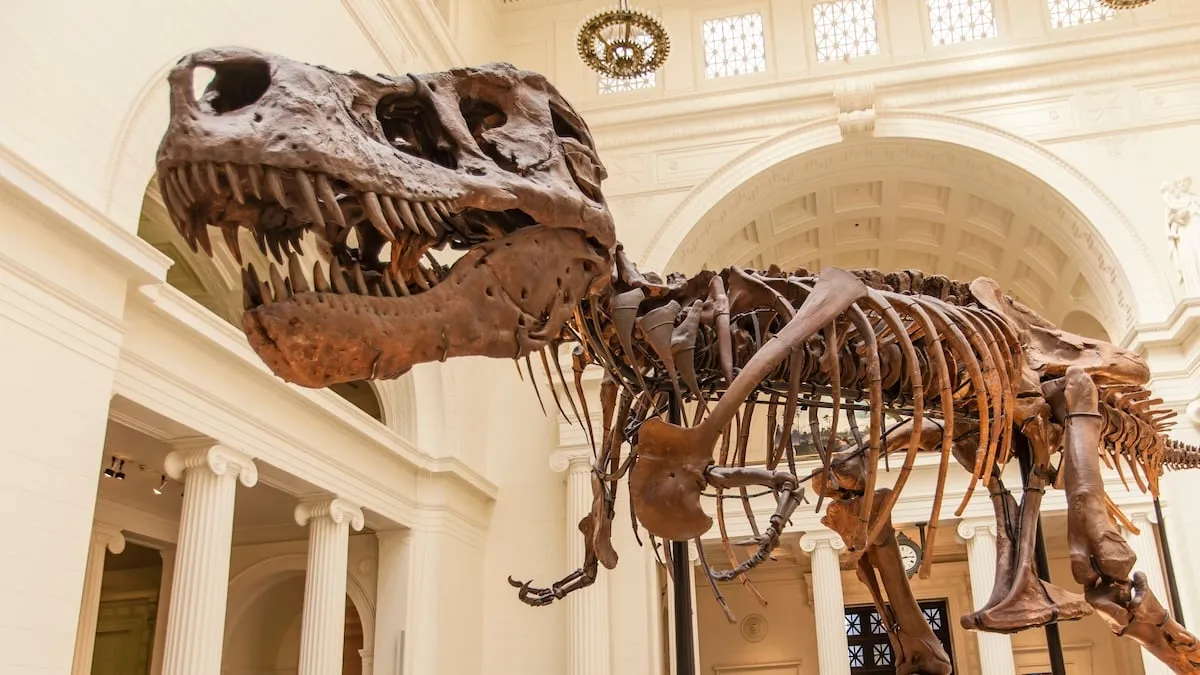
The diminutive arms of the Tyrannosaurus rex have long been a source of amusement, but new scientific research proposes a compelling evolutionary explanation. A recent study suggests that as large predatory dinosaurs like T. rex evolved to hunt increasingly massive prey, they developed exceptionally powerful jaws and skulls, rendering their forelimbs less critical for predation.
This evolutionary shift, driven by the principle of 'use it or lose it,' led to a significant reduction in arm size over millennia. The research found a strong correlation between reduced forelimbs and robust skull structures across multiple theropod families, indicating a convergent adaptation to the changing dynamics of their ecosystem. While the exact functions of these vestigial arms remain debated, theories include aiding in rising, mating stabilization, or even close-range slashing.