Local authorities in British Columbia, Canada, are intensifying efforts to secure sustainable funding for critical dredging operations along the Fraser River. The City of Delta and the City of Richmond are spearheading initiatives to address escalating sediment accumulation in secondary channels, which is significantly impacting navigation, marine infrastructure, and local economies. Both municipalities are advocating for a shift from one-off project funding to a stable, long-term maintenance-based model, underscoring the economic imperative for clear and accessible waterways.
The core issue revolves around the natural and climate-exacerbated buildup of sediment, which obstructs vessel passage, damages waterfront properties, and hinders access for emergency services. Recognizing these detrimental effects, Delta has commissioned updated reports to quantify the economic benefits of regular dredging and to present a compelling case to provincial and federal ministers. This proactive stance aims to secure financial commitments necessary for a consistent dredging program, ensuring the continued economic health of the region.
Economic Imperative for Dredging Maintenance
Delta's Renewed Push for Funding
The City of Delta is once again highlighting the economic rationale behind maintaining navigable waterways through regular dredging. A recently commissioned report, titled The Economic Benefits of Dredging Ladner Harbour and Lower Fraser Secondary Channels, serves as a cornerstone of their advocacy. This report will be formally submitted to provincial and federal ministers and senior officials, alongside Delta's formal request for the establishment of a sustainable dredging program specifically for the city's lower Fraser secondary channels. The urgency is amplified by ongoing sediment accumulation, which has been further exacerbated by climate-related events such as major floods and landslides within the Fraser River watershed, leading to increased sediment loads.
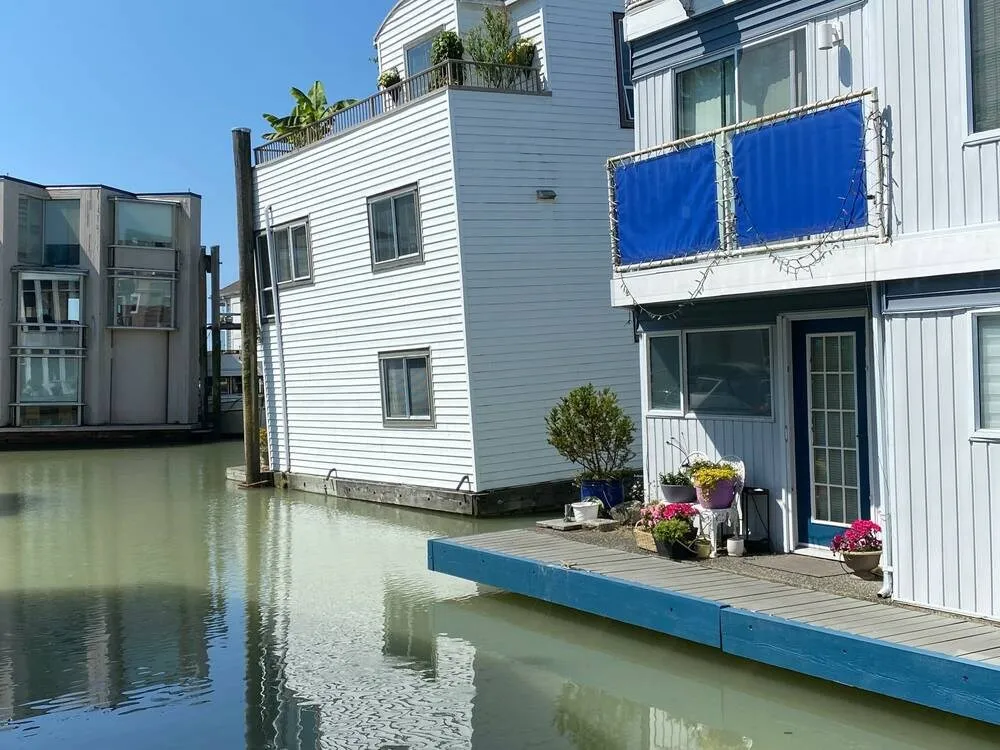
The latest analysis, commissioned to reflect current conditions, reiterates findings from a 2012 report that assessed various dredging options and their associated economic, environmental, and social benefits. A staff report to the Delta council emphasizes that continued sediment buildup is not only impairing navigation and safety but also stifling economic activity. At low tide, vessels frequently run aground, float homes are subjected to structural damage and tilting, and access for crucial emergency and service vessels is severely restricted. Without consistent, proactive dredging, these issues are projected to intensify, posing a significant threat to the region's maritime infrastructure and economic functions.
Historical Context and Financial Contributions
In 2013, a collaborative effort saw the Province, the City of Delta, the City of Richmond, the Steveston Harbour Authority, and the Vancouver Fraser Port Authority enter into a joint funding agreement for dredging local Fraser River channels near Ladner and Steveston. Delta made a substantial contribution of $2 million towards this initiative, which was successfully completed in 2015. However, a subsequent Delta staff report on the financial pressures of government downloading onto local taxpayers highlighted that this was the last comprehensive dredging of the local channels. Notably, Delta funded over 30 percent of that project despite not having official authority or jurisdiction over the Fraser River itself.
This historical context suggests that future dredging programs may necessitate another significant financial commitment from the City of Delta. The reliance on local contributions, even without direct jurisdiction, underscores the city's vested interest and the potential financial burden it continues to shoulder to maintain vital regional waterways. The current campaign for sustainable funding seeks to alleviate this recurring financial strain and ensure a more equitable distribution of responsibility among all stakeholders.
Richmond's Strategic Approach to Dredging
Expanding Scope and Long-Term Vision
The City of Richmond faces similar challenges and has adopted a strategic approach to managing its waterways. City staff recently recommended expanding the scope of the ongoing Steveston Cannery Channel Dredging Project to encompass a fourth phase. This proposed phase would cover the Imperial Landing and Britannia Shipyards city waterlot landside frontages, areas critical for maritime access and adjacent commercial activities. This expansion reflects a commitment to addressing sediment issues comprehensively across key waterfront areas.
The current multi-phase dredging program, a cooperative venture involving the Steveston Harbour Authority, the provincial government, and the federal government, is on track for completion by 2027. Its primary objective is to ensure safe navigation through the Steveston Cannery Channel. A report from the City of Richmond indicates that ongoing collaboration among the city and its partners is focused on developing a more efficient, long-term maintenance-based model. This model is intended to be supported by stable annual funding, moving away from the less predictable nature of stand-alone, one-time projects. The report advocates for the continuation of efforts toward establishing a formal four-party dredging contribution agreement.
Projected Financial Commitments
The estimated cost for the proposed fourth phase of the Steveston Cannery Channel dredging project is $1.5 million. City staff are exploring options such as reallocating remaining funds from the second phase of the project and submitting a one-time funding request through the 2027 budget process to cover these expenses. This indicates a pragmatic approach to immediate needs while seeking long-term financial solutions.
Looking forward, the City of Richmond's projected annual financial contributions to a comprehensive, long-term dredging strategy are significant. The city anticipates contributing approximately $365,000 annually towards the broader channel partnership. Additionally, an estimated $300,000 per year is earmarked for maintaining the city's own waterlot channel and landside frontages. These figures underscore Richmond's substantial financial commitment and its dedication to securing the future navigability of its vital waterways.
Impact Analysis
The concerted efforts by Delta and Richmond to secure sustainable dredging funding have significant implications beyond their immediate jurisdictions. A consistent and adequately funded dredging program is crucial for maintaining the economic viability of the Fraser River's secondary channels, which are vital arteries for commercial fishing, recreational boating, and transportation. Failure to address sediment buildup risks increasing operational costs for businesses, potentially leading to supply chain disruptions and reduced economic activity. Furthermore, the enhanced navigability improves safety for all vessel operators and ensures reliable access for emergency services, a critical factor in disaster preparedness and response. The push for a collaborative, long-term funding model also sets a precedent for inter-governmental cooperation on critical infrastructure maintenance, potentially influencing similar initiatives in other regions facing comparable challenges.