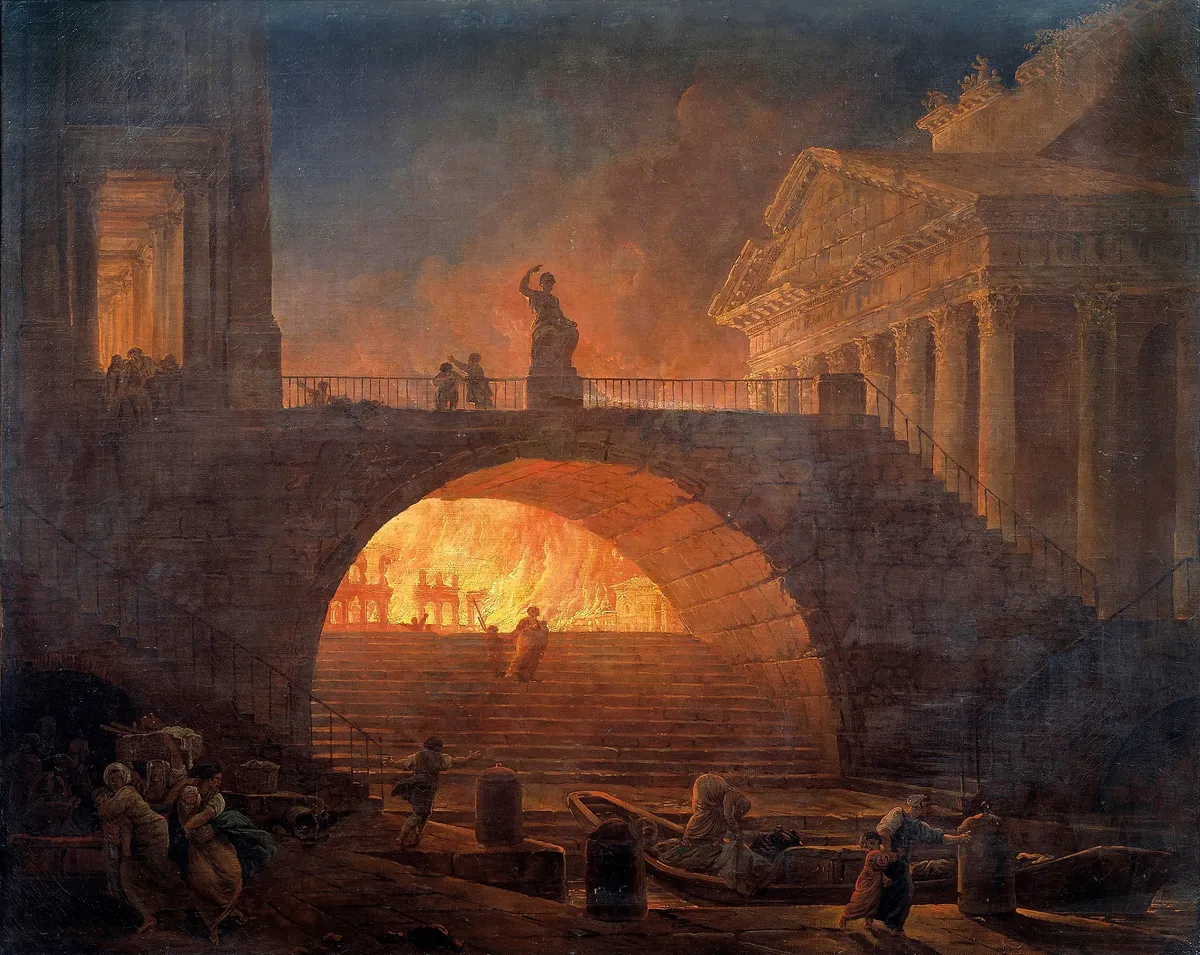
The fall of the Western Roman Empire in 476 CE, often seen as an inevitable decline, was driven by complex systemic issues. Its vast territorial expanse created unsustainable military costs and communication challenges, while political instability, marked by frequent civil wars and unclear succession, weakened central authority.
Economic problems, including depleted treasuries from internal conflicts and heavy taxation, further strained the empire. However, the continued existence of the Eastern Roman Empire for another thousand years and Rome's historical capacity for reform suggest that its fall may not have been entirely predetermined. Analyzing these factors provides crucial insights into the dynamics of imperial power and decline.
[IMAGE_1]