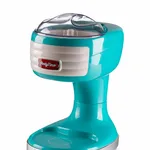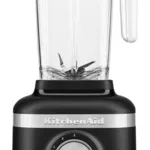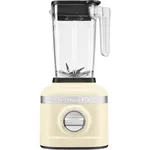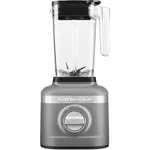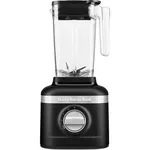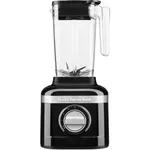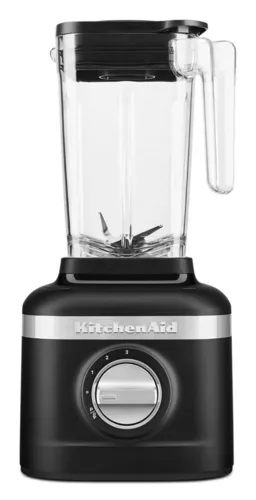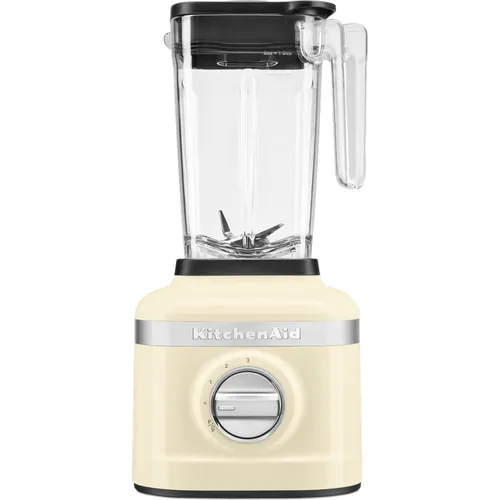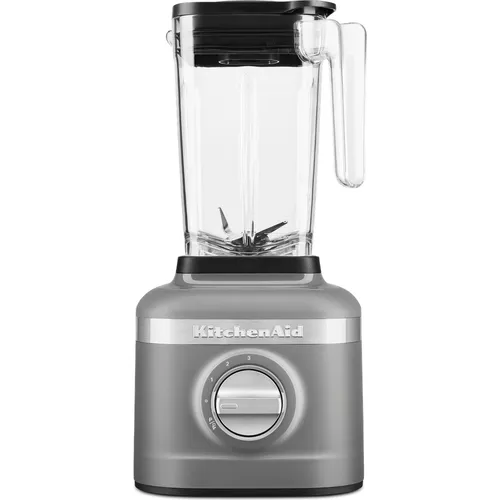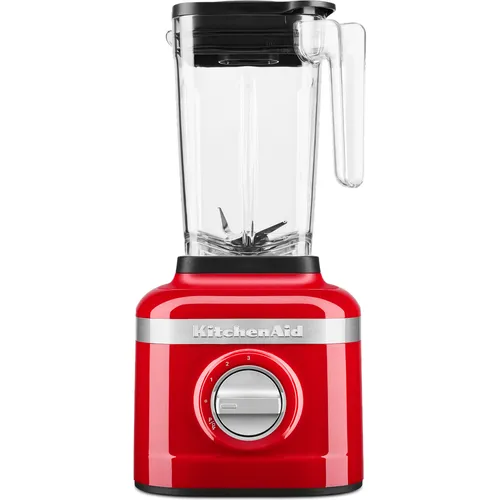


KitchenAid 5KSB1325 Ice Crusher Blender
Specifications
Features
Features
| Product colour |
Red
|
|---|---|
| Capacity |
1.4 L
|
| Rotational speed |
11500 RPM
|
| Number of speeds |
3
|
| Housing material |
Plastic
|
| Blade material |
Stainless steel
|
| Non-slip feet |
Yes
94% have it
|
| Easy to use |
Yes
80% have it
|
| Easy to clean |
Yes
92% have it
|
| Detachable lid |
Yes
73% have it
|
| Type of ice crusher |
Electric
|
Power
Power
| AC input voltage |
220 - 240 V
|
|---|---|
| AC input frequency |
50 - 60 Hz
|
Weight & dimensions
Weight & dimensions
| Width |
180
mm
59% better than others
|
|---|---|
| Depth |
216
mm
18% better than others
|
| Height |
376
mm
30% better than others
|
| Weight |
3.17
kg
51% better than others
|
Packaging data
Packaging data
| Package width |
260
mm
63% better than others
|
|---|---|
| Package depth |
286
mm
68% better than others
|
| Package height |
443
mm
83% better than others
|
| Package weight |
3.63
kg
16% better than others
|
Other features
Other features
| Warranty period |
2 year(s)
|
|---|
Disclaimer: Information on this page may need review. If you notice any discrepancies, please report them

The KitchenAid 5KSB1325 Ice Crusher stands as a specialized appliance within the high-end blender market, targeting users who prioritize efficient and consistent ice crushing capabilities. While many blenders offer ice crushing as a secondary function, this model is engineered with this specific task in mind, suggesting a robust motor and blade design optimized for breaking down ice into fine, snow-like consistency or coarser fragments as needed. Its utility extends beyond simple beverage preparation, potentially serving culinary applications where perfectly crushed ice is essential for texture and presentation.
In a landscape often dominated by multi-functional blenders, the KitchenAid 5KSB1325 carves out a niche by focusing on a core competency. This specialization often translates to superior performance in its primary function compared to more generalist appliances. For enthusiasts of frozen cocktails, slushies, or even chefs requiring precise ice textures for dishes, this ice crusher blender represents a dedicated tool. Its integration into the KitchenAid ecosystem implies a commitment to build quality, durability, and thoughtful design, hallmarks of the brand. Evaluating its place in the market requires understanding the trade-offs between dedicated functionality and the broader capabilities offered by competitors.
Pros & Cons
Pros
What we love about this product
- Dedicated Ice Crushing: Engineered specifically for efficient and consistent ice pulverization, offering superior performance for this task.
- Versatile Ice Textures: Capable of producing both fine, snow-like ice and coarser crushed ice, catering to various beverage and culinary needs.
- Robust Motor Power (Implied): Designed for ice crushing, it suggests a powerful motor capable of handling the demanding task of breaking down frozen water effectively.
- KitchenAid Build Quality: Expected to benefit from the brand's reputation for durable construction and reliable performance.
Cons
Points to consider before buying
- Specialized Functionality: Primarily focused on ice crushing, potentially offering fewer features or less versatility than a full-fledged multi-function blender.
- Counter Space Requirement: As a dedicated appliance, it occupies counter space that might otherwise be used for a more integrated or compact solution.
- Noise Level (Potential): High-speed motors designed for crushing ice can often generate significant noise during operation.