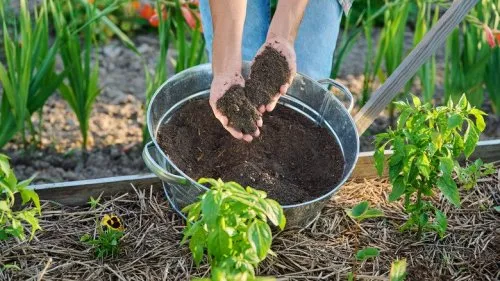
Composting is a cornerstone of sustainable gardening, transforming kitchen scraps and yard waste into a nutrient-rich amendment for soil. While many gardeners are familiar with basic ingredients like banana peels and coffee grounds, optimizing the composting process involves a deeper understanding of material balance, microbial activity, and environmental conditions. Achieving truly 'better compost' means creating a balanced ecosystem within the compost pile that efficiently breaks down organic matter, yielding a product teeming with beneficial microorganisms and essential plant nutrients.
The success of composting hinges on maintaining the correct ratio of carbon-rich 'browns' (like dried leaves, straw, and cardboard) to nitrogen-rich 'greens' (such as vegetable scraps, grass clippings, and manure). An imbalance can lead to slow decomposition, foul odors, or a pile that fails to heat up, which is crucial for killing pathogens and weed seeds. Expert composters meticulously manage these inputs, often layering them to ensure aeration and consistent moisture levels. Beyond the standard kitchen and yard waste, specific materials can significantly boost compost quality, offering unique benefits to soil health and plant growth.
Enhancing Compost with Specialized Additives
While the foundation of good compost lies in balancing carbon and nitrogen, certain additions can elevate its nutritional profile and beneficial microbial content. For instance, incorporating crushed eggshells provides a slow-release source of calcium, essential for cell wall development in plants and preventing blossom-end rot in fruiting vegetables. Similarly, adding wood ash from untreated wood fires can introduce potassium and other trace minerals, although it should be used sparingly due to its alkaline nature, which can alter soil pH.
Another overlooked yet highly beneficial additive is rock dust or mineral powder. These finely ground minerals, often derived from volcanic rock, contain a broad spectrum of micronutrients that are typically lacking in standard compost. When added to the compost pile, these minerals become bioavailable as the organic matter breaks down, creating a truly comprehensive soil amendment. The presence of these trace elements can significantly improve plant vigor, disease resistance, and overall crop yield, addressing deficiencies that commercial fertilizers often miss.
The Role of Aeration and Moisture Management
Effective composting is as much about managing the environment within the pile as it is about the materials added. Proper aeration is critical for the aerobic microorganisms that drive decomposition. Turning the compost pile regularly with a pitchfork or compost aerator introduces oxygen, preventing the anaerobic conditions that lead to unpleasant odors and slow down the composting process. Without adequate airflow, the pile can become waterlogged and compacted, hindering microbial activity.
Moisture levels are equally vital. The compost pile should feel like a wrung-out sponge – damp but not saturated. Too little moisture will halt decomposition, while too much can lead to anaerobic conditions. Gardeners can monitor moisture by squeezing a handful of compost; if water drips out freely, it's too wet and needs more brown materials or turning. If it crumbles apart, it's too dry and requires watering. Covering the compost pile can help regulate moisture, protecting it from excessive rain while allowing for some air exchange.
Accelerating Decomposition with Composting Activators
For gardeners seeking faster results, specific composting activators can significantly speed up the decomposition process. These activators often contain a concentrated blend of beneficial microbes, enzymes, and nitrogen-rich materials that kick-start the thermophilic (heat-generating) phase of composting. This initial heating phase is crucial for rapidly breaking down organic matter and killing off weed seeds and pathogens.
Commercial compost activators are readily available, but gardeners can also create their own by incorporating a layer of finished compost or actively working garden soil into a new pile. These introduce a diverse population of microorganisms that begin the breakdown process immediately. Additionally, including nitrogen-rich materials like fresh grass clippings, manure, or even blood meal can provide the fuel needed for these microbes to multiply and accelerate decomposition, reducing the time it takes to achieve usable compost.
Advanced Composting Systems
Beyond the traditional static pile or bin, various advanced composting systems cater to different needs and scales. Tumbler composters, for instance, offer a sealed environment that can speed up decomposition through regular turning and heat retention, ideal for smaller gardens or faster composting cycles. These systems often have divided chambers, allowing one batch to cure while another is actively being filled and turned.
For larger-scale operations or for those dealing with a significant volume of organic waste, methods like vermicomposting (using earthworms) or Bokashi composting (an anaerobic fermentation process) offer alternative pathways. Vermicomposting produces nutrient-dense worm castings, highly prized by gardeners. Bokashi, while anaerobic, ferments waste using specific microbes, creating a 'pre-compost' that then breaks down rapidly when added to a traditional compost pile or directly to soil, effectively pre-digesting tough materials like meat and dairy scraps which are usually avoided in aerobic composting.
Troubleshooting Common Composting Issues
Even with careful management, compost piles can sometimes present challenges. A common issue is odor, often indicating an anaerobic environment due to overwatering or lack of aeration. Adding carbon-rich materials like shredded paper or sawdust and turning the pile thoroughly can rectify this. If the pile is not heating up, it likely needs more nitrogen-rich 'green' materials or a larger volume to build sufficient mass for thermophilic activity. Alternatively, it might be too dry, requiring the addition of water.
Another problem is the presence of pests. While some creatures like earthworms and beneficial insects are welcome, rodents or flies can be a nuisance. Ensuring the compost bin is enclosed and has a lid, avoiding the addition of meat, dairy, and oily foods, and maintaining proper moisture and temperature can deter unwanted visitors. Burying fresh food scraps in the center of the pile also helps mask odors and makes them less accessible to pests.
Impact Analysis
The meticulous application of advanced composting techniques has a profound impact on agricultural and horticultural practices. By optimizing the breakdown of organic matter and enriching compost with a diverse range of nutrients and microorganisms, gardeners and farmers can significantly enhance soil health. This leads to improved soil structure, increased water retention, reduced reliance on synthetic fertilizers, and a more robust plant immune system, ultimately contributing to higher crop yields and more sustainable food production systems. The ability to effectively manage organic waste also plays a critical role in reducing landfill burden and mitigating greenhouse gas emissions.