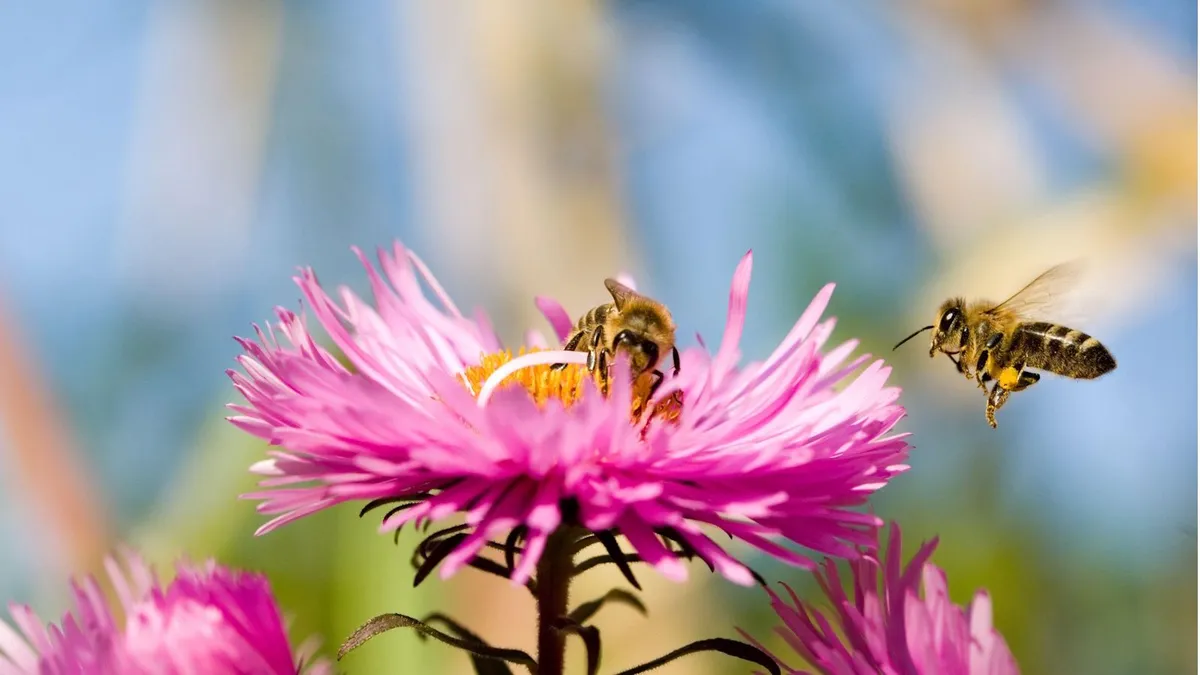
World Bee Day, observed on May 20th, serves as a vital reminder of the multifaceted contributions of bees to our environment. While their role in pollinating plants is widely acknowledged, bees perform several other crucial functions within garden ecosystems that often go unnoticed. These include improving soil structure, supporting wildlife through seed and berry production, and actively recycling plant materials for their nesting needs. The collective impact of these activities is profound, contributing to a healthier, more vibrant, and more resilient garden landscape.
From mining bees that aerate the soil to specialist pollinators ensuring the proliferation of food sources for other creatures, the diligent work of bees underpins ecological balance. Their activities, though subtle, are indispensable for maintaining the diversity and vitality of our green spaces. Understanding these lesser-known roles highlights the importance of protecting bee populations and fostering environments where they can thrive, benefiting not just the plants but the entire garden ecosystem.
The Unsung Contributions of Bees in Garden Health
Soil Aeration and Drainage
A significant, yet often overlooked, contribution of certain bee species is their role in soil health through nesting habits. A substantial portion of bee species, estimated at nearly 70%, are ground-nesting, including many common bumblebees and solitary bees. These insects excavate tunnels and nests beneath the soil surface, a process that naturally aerates the earth. This aeration improves the soil's structure, allowing for better oxygen penetration to plant roots and enhancing the capacity of the soil to absorb rainwater.
This natural tilling by ground-nesting bees, particularly species like mining bees, leads to improved drainage and reduced surface water runoff, especially after heavy rainfall. As Jen Rose, founder of Bee Cups, explains, "Far from harming your garden, these tiny tunnel builders actually improve it. As they dig, they naturally aerate the soil, helping oxygen reach plant roots and allowing rainwater to soak in more effectively." The result is a healthier environment for plant growth and a more robust garden ecosystem.
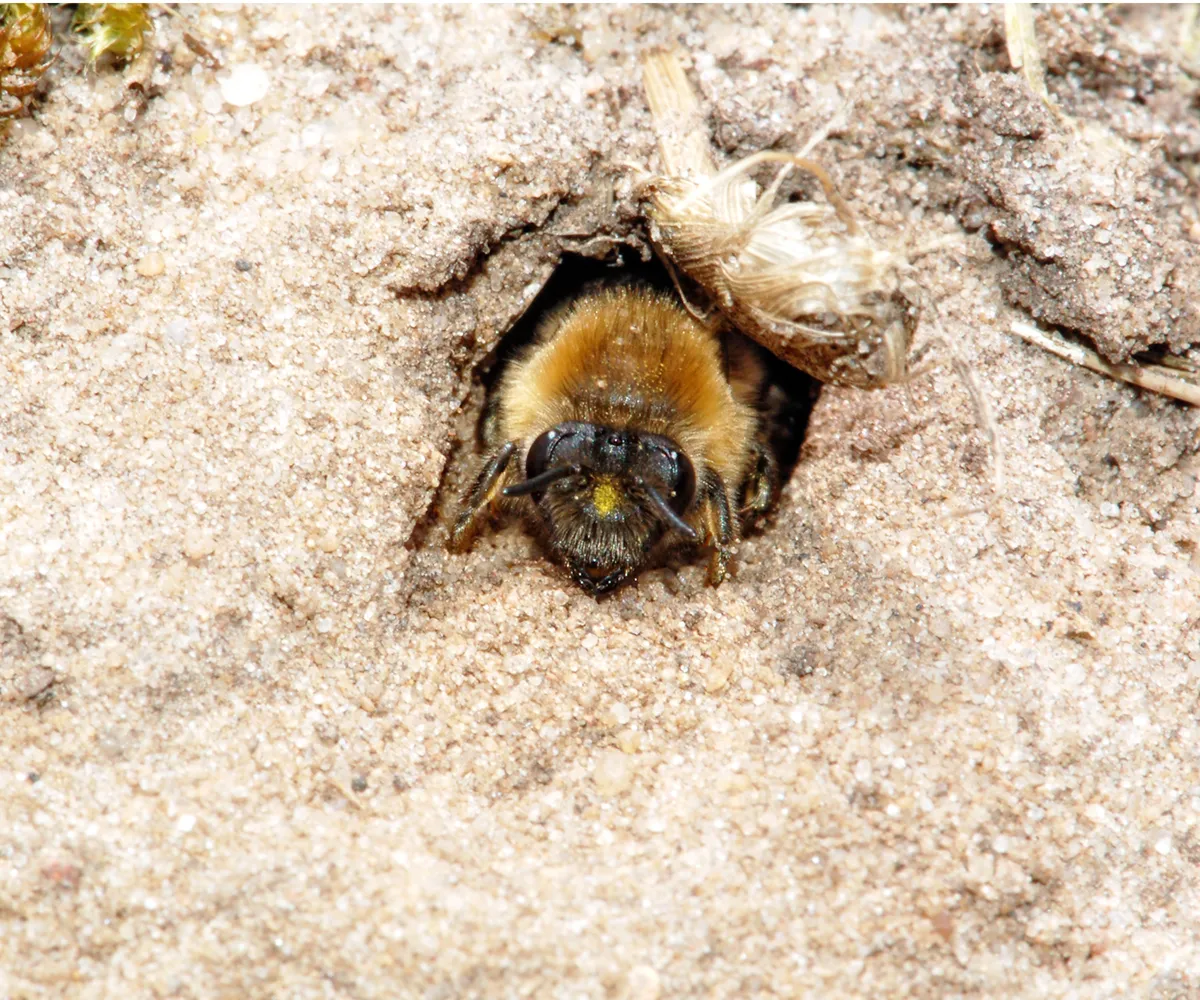
Providing undisturbed areas of bare or sparsely vegetated ground can significantly support these ground-nesting species. In return for suitable nesting sites, these bees are exceptionally efficient pollinators. It's estimated that mining bees can pollinate up to 15 times more flowers in a single day than honeybees, contributing significantly to plant reproduction.
Supporting Wildlife and Food Webs
Bees are fundamental to the establishment of a balanced wildlife garden and a thriving ecosystem. Their pollination efforts are directly responsible for the production of berries, seeds, and fruits, which serve as critical food sources for a wide array of garden inhabitants, including birds, small mammals, and other beneficial insects. Lindsey Chastain, homesteader and founder of The Waddle and Cluck, emphasizes this interconnectedness: "Without the bees, your plants wouldn't produce berries and seeds. Birds and squirrels are drawn in by those tasty treats, so are many beneficial insects. Without the bees, that wildlife wouldn't be supported."
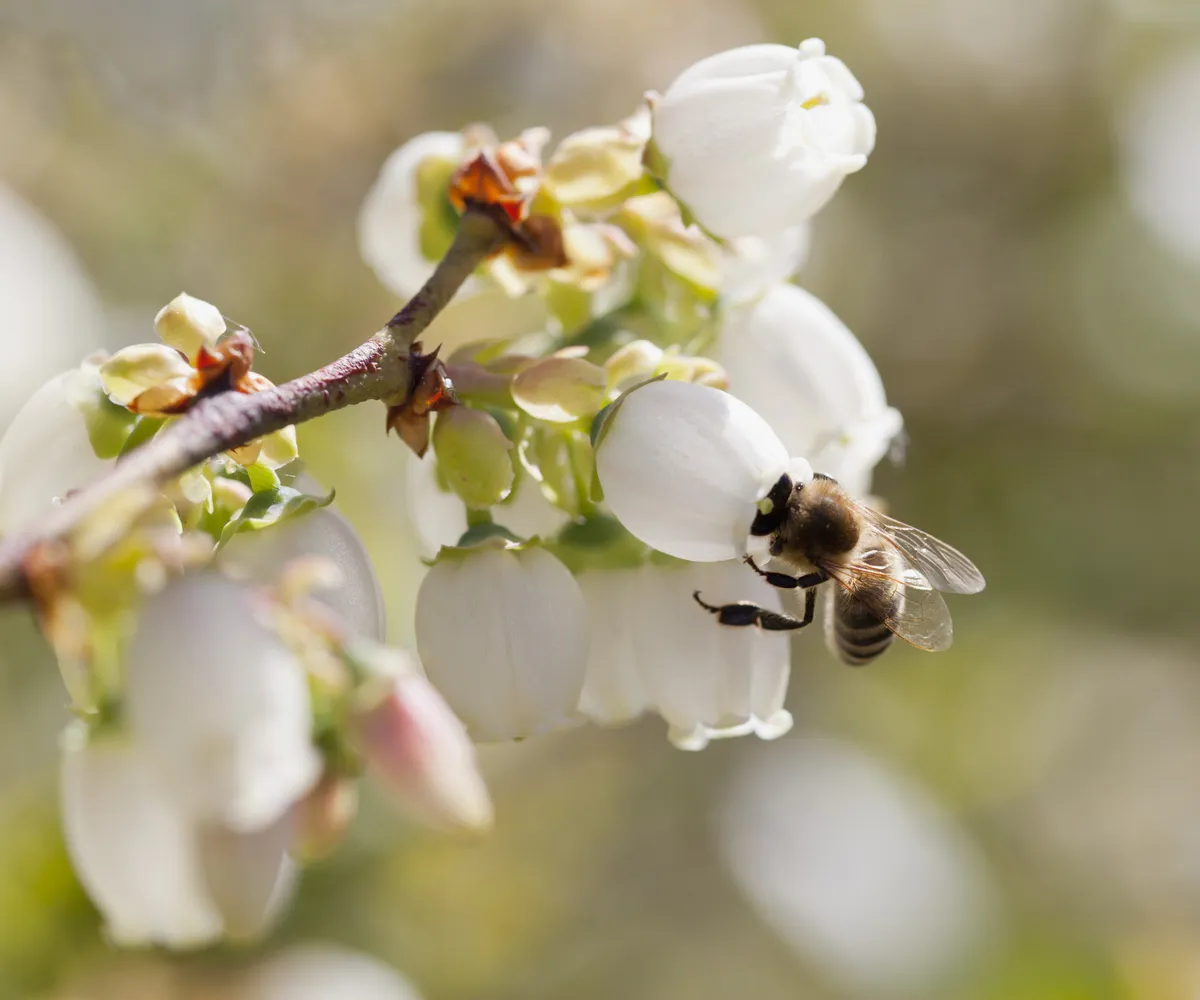
This support is particularly vital for native plants and wildflowers that rely on bee pollination to produce seeds and berries that sustain wildlife through leaner seasons, such as winter. Furthermore, the seed production facilitated by bees aids in the natural propagation and spread of these essential plant species, contributing to biodiversity. Encouraging bee populations through practices like planting nectar-rich flowers and avoiding pesticides is therefore crucial for maintaining these food webs and ensuring the survival of numerous garden species.
Recycling Plant Material for Nest Construction
The resourcefulness of bees extends to their nest-building behaviors, where they actively repurpose plant materials, integrating them into the natural cycle of decomposition and renewal. Many bee species, particularly solitary ones, utilize various plant components for constructing and lining their nests. For instance, leafcutter bees meticulously cut circular or oval sections from leaves to create cells within their nests, providing a protective lining.
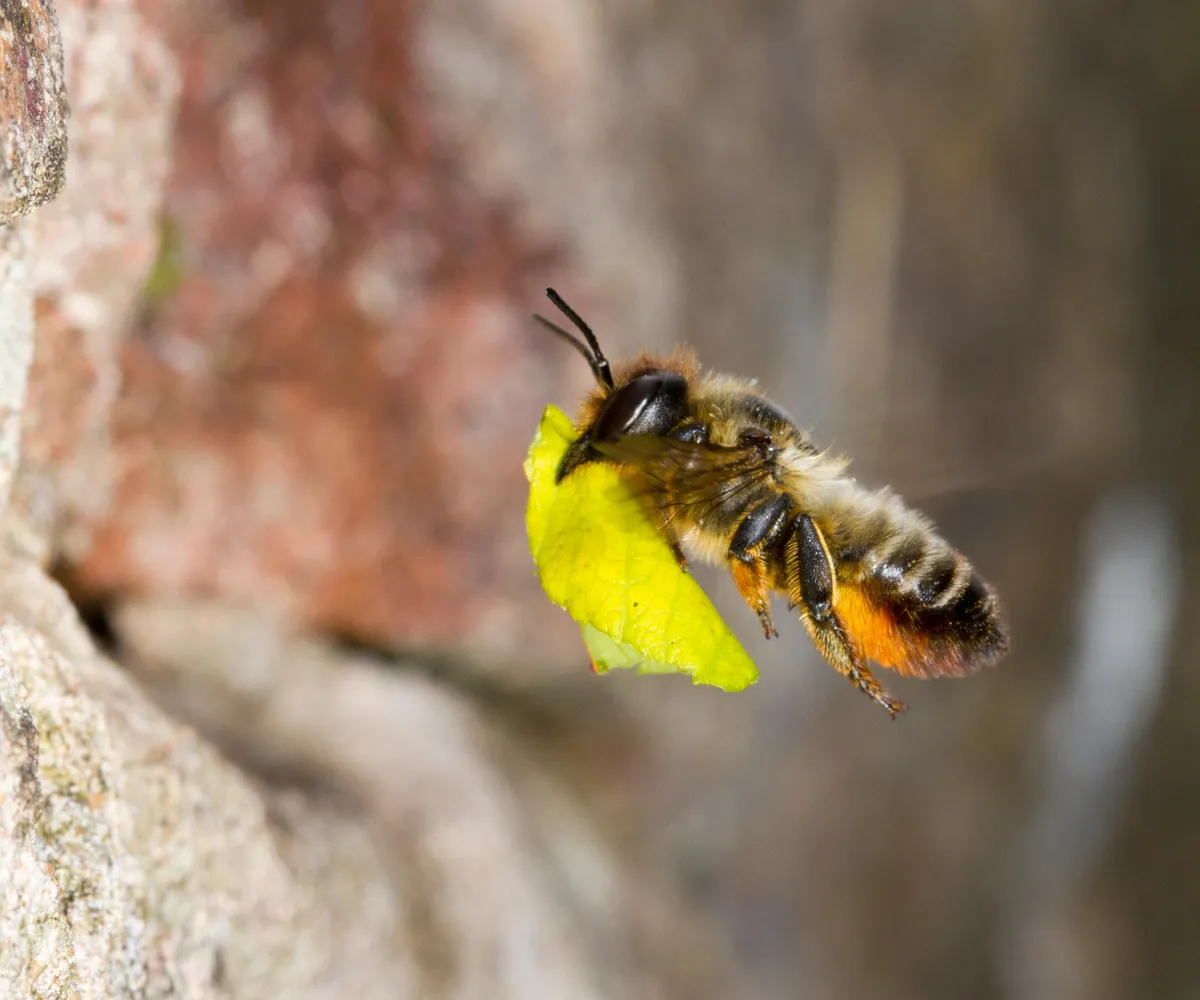
Other species, such as certain mason bees and stingless bees, collect plant resins. These sticky substances are used to seal their nests, offering crucial protection against moisture and external elements. This natural recycling process not only benefits the bees by providing secure habitats but also contributes to the decomposition of plant matter within the garden. In return for these nesting materials and their diligent work, these bees are highly effective pollinators, ensuring the production of seeds, fruits, and vegetables. Gardeners can support this behavior by leaving piles of fallen leaves, maintaining standing dead stems of perennials, and generally delaying extensive spring clean-ups, thereby providing essential resources for bee nesting and reproduction.
Encouraging Bee Activity in Your Garden
To foster a bee-friendly environment, consider incorporating plants with colors known to attract bees, such as purple varieties. Providing a safe water source, such as a shallow dish with pebbles or a dedicated bee watering station, is also beneficial. Crucially, refraining from the use of pesticides is paramount, as these chemicals can be highly detrimental to bee populations. Creating nesting habitats, such as undisturbed patches of soil for ground-nesters or leaving hollow stems, further supports bee diversity and abundance.
By understanding and supporting the diverse roles bees play, gardeners can cultivate more ecologically sound and vibrant outdoor spaces. These practices ensure not only the well-being of bees but also the health and productivity of the entire garden ecosystem.