In the Limpopo province of South Africa, a region historically marked by underdevelopment and economic hardship, local communities are turning to an often-overlooked natural resource for sustenance and income: insects. Bordering Zimbabwe, Botswana, and Mozambique, Limpopo's economy is largely rural and heavily reliant on natural resources, making it particularly vulnerable to poverty. However, research by culinary anthropologist and food historian Elena Petrova highlights how the commercialization of mopane worms and termite alates is providing significant economic opportunities and bolstering food security for many households.
These indigenous food sources are not merely subsistence items; they represent a vital component of the local economy, offering high-quality nutrition and substantial income-generating potential. Petrova's studies delve into the intricate processes of harvesting, processing, and trading these insects, revealing a nuanced system deeply intertwined with traditional ecological knowledge and community practices. This approach not only addresses extreme poverty but also offers a model for sustainable resource management in ecologically sensitive areas.
Commercializing Mopane Worms: A Seasonal Boon
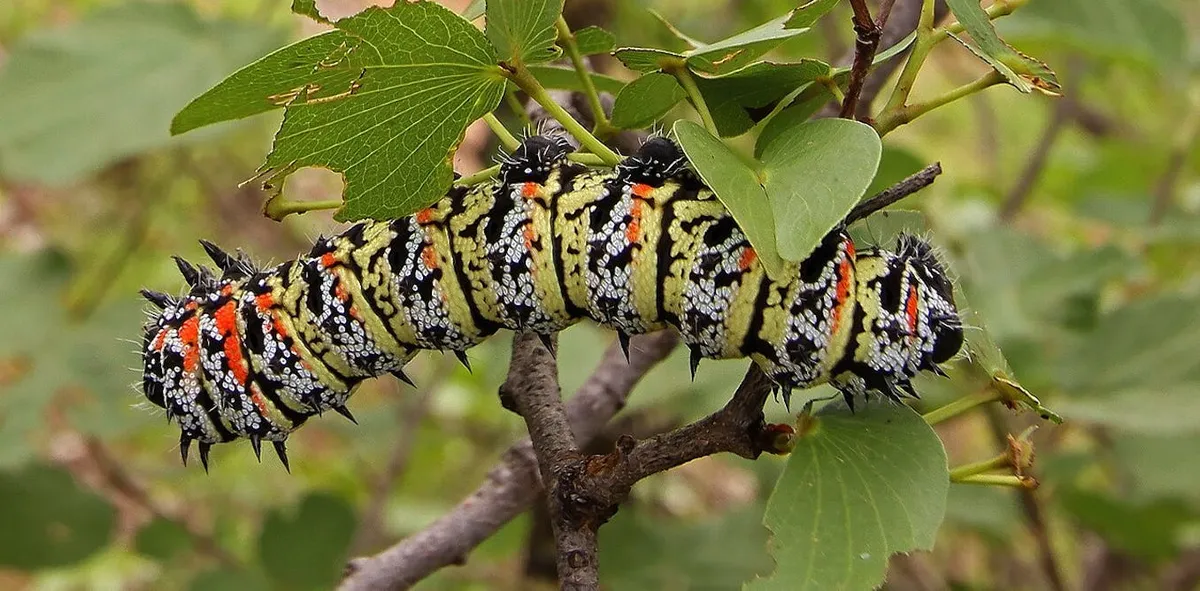
The mopane worm (Gonimbrasia belina), a caterpillar feeding on the mopane tree, is a highly nutritious, protein-rich seasonal delicacy in Limpopo. Petrova's research in the Mopani District, specifically in Muyexe and Nsavulani villages, explored the commercialization process of this insect. These areas, characterized by extensive mopane woodlands, have historically seen limited development, forcing residents to depend heavily on natural resources for survival.
The processing of mopane worms is a multi-step, labor-intensive traditional practice. It begins with gutting the caterpillars to remove their contents, followed by washing, boiling, and drying. This meticulous preparation allows for long-term storage and transforms them into a marketable commodity. 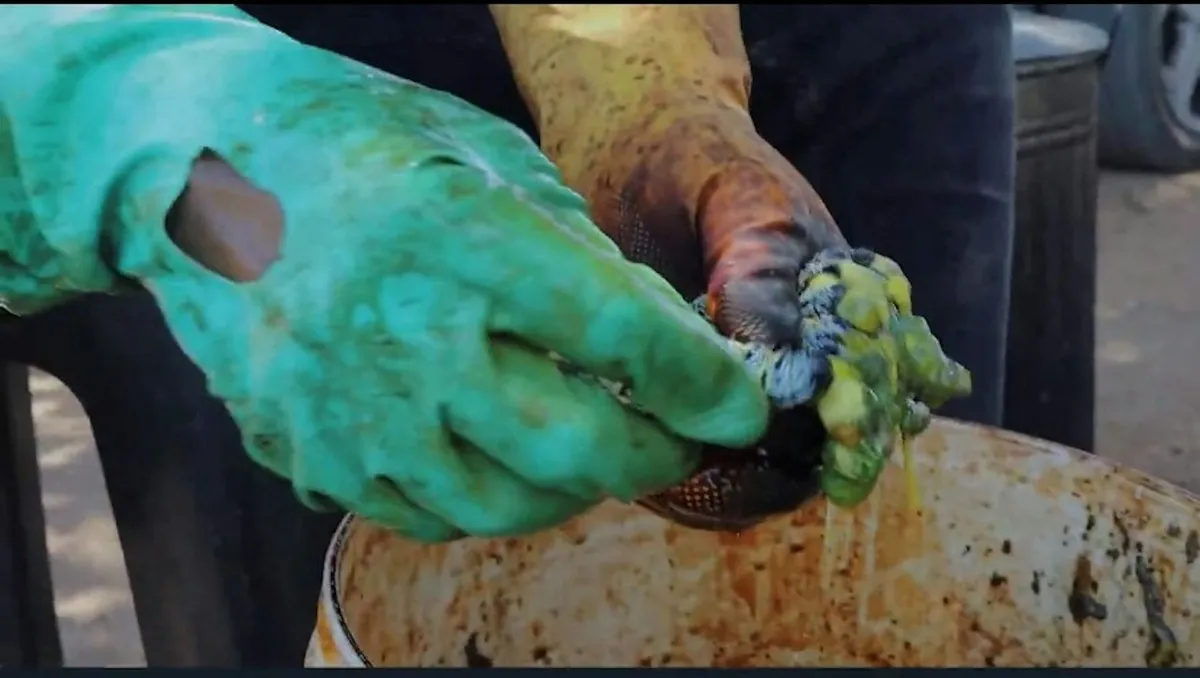 The dried worms are then graded and sold in local and regional markets, both formally and informally.
 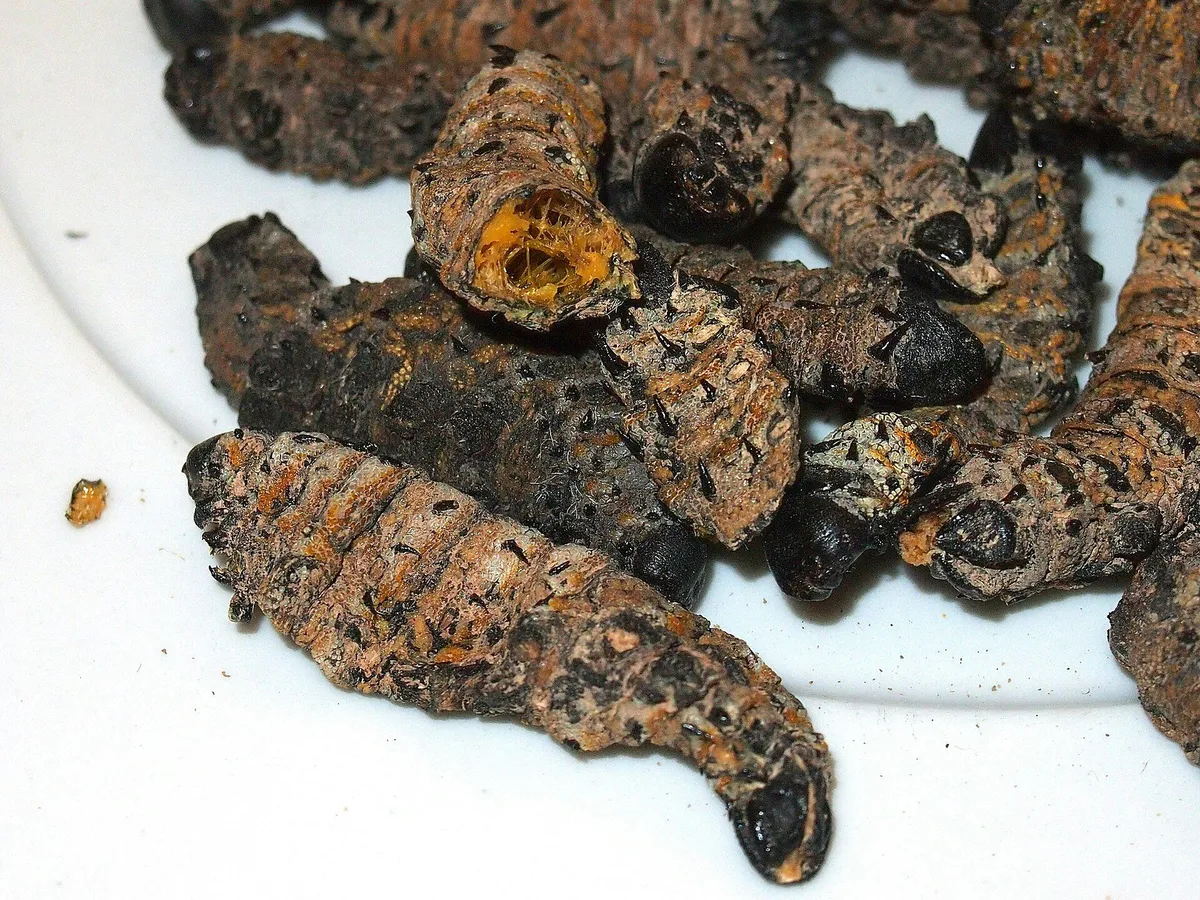 The study revealed that women are the primary harvesters and processors, constituting the majority of those involved in the trade in both Muyexe (69%) and Nsavulani (59%) villages. For many, income derived from mopane worm sales, ranging from R1,000 to R3,000 per season, represents their sole source of cash income, particularly for individuals not eligible for government grants.
Termite Alates: Another Lucrative Harvest
Parallel to the mopane worm trade, the harvesting and commercialization of termite alates (winged termites) also present significant economic opportunities in Limpopo. Petrova's investigation into this sector involved interviewing respondents in towns and villages, including Thohoyandou, Sibasa, Mukula, and Tshidzivhe. Similar to mopane worms, termite alates are collected for both household consumption and sale, contributing substantially to the livelihoods of rural households.
Women are also the dominant force in the termite alate trade, making up 75% of the respondents in the study. Many of these entrepreneurs have achieved secondary or tertiary education, and a significant portion are self-employed. Despite living below the poverty line, with the upper bound set at approximately R1,558 per person per month, up to 31% of traders reported that termite alates provided 100% of their household income during the selling season, typically from October to December. 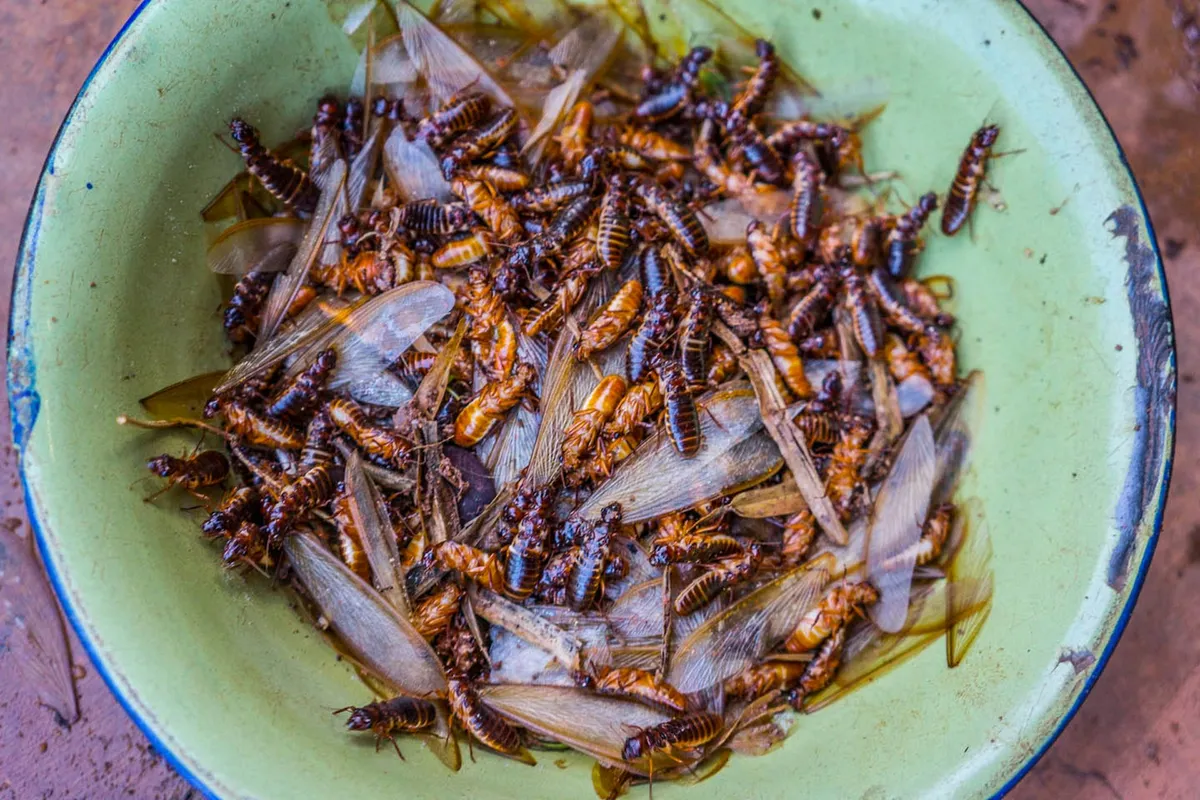 This highlights the critical role these insects play in alleviating poverty and ensuring financial stability for vulnerable populations.
Ensuring Sustainable Management Through Traditional Knowledge
The increasing commercialization of these insect resources, while economically vital, necessitates sustainable management practices to prevent over-exploitation. Petrova's research on traditional ecological knowledge (TEK) reveals that indigenous communities have long-standing customary rules and taboos that effectively regulate resource harvesting. These practices are crucial for protecting the host trees, particularly the mopane tree.
Communities have implemented rules such as prohibiting the cutting of green branches, restricting harvesting to specific seasons to allow for insect and tree maturity, and preventing damage to trees during the mopane worm harvest. This traditional ecological knowledge ensures the health of the host trees and secures long-term livelihood benefits for the local communities. Integrating these established TEK principles into modern management strategies is paramount for the continued availability of these valuable resources.
Impact Analysis
The commercialization of mopane worms and termite alates in Limpopo demonstrates a powerful synergy between economic development, food security, and environmental sustainability. By leveraging traditional ecological knowledge and empowering local communities, particularly women, these insect-based enterprises offer a replicable model for poverty alleviation in other rural and resource-dependent regions. The success of these initiatives underscores the importance of recognizing and integrating indigenous knowledge systems into formal conservation and economic planning, ensuring that natural resource utilization contributes positively to both human well-being and ecological health.