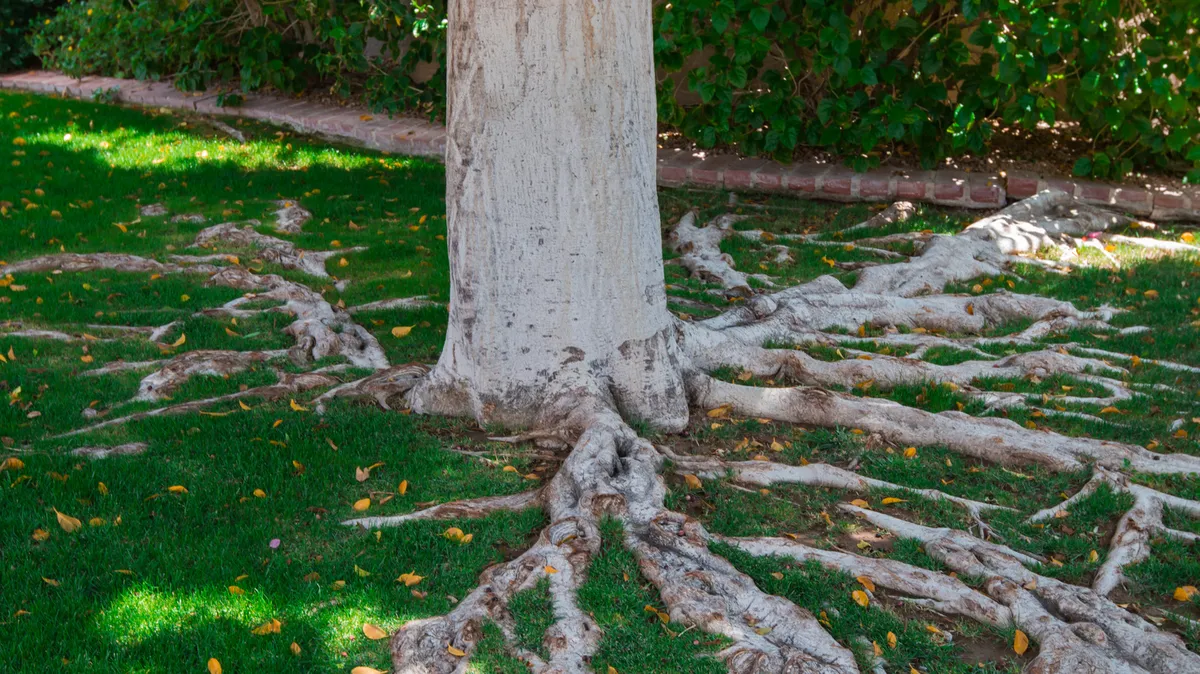
The aesthetic appeal of a yard is often compromised by the unsightly presence of tree roots emerging from the soil. While trees provide valuable shade and natural beauty, their root systems can become a landscaping challenge, particularly when they surface. Addressing these exposed roots requires careful consideration to avoid harming the tree itself. Simply covering them with thick layers of soil, concrete, sand, or gravel can suffocate the roots and lead to the tree's decline. Similarly, planting grass directly over these roots is ill-advised, as repeated contact with lawnmowers can damage both the roots and the equipment. The key lies in employing strategies that disguise or mitigate the visibility of these roots without impeding their access to air and moisture.
Preventative measures can also play a role in minimizing the formation of surface roots. Issues such as soil erosion, which exposes shallow root systems, can be addressed through methods like mulching or the installation of retaining walls. Furthermore, surface roots can sometimes indicate underlying soil problems, such as compaction, waterlogging, or a lack of oxygen. In such cases, improving soil conditions is crucial for the tree's long-term health, though it may not immediately rectify existing exposed roots.
Strategies for Disguising and Managing Tree Roots
Applying Organic Mulch
One of the most effective and tree-friendly methods for concealing surface roots is the application of organic mulch. Materials such as shredded bark or fallen leaves provide a natural aesthetic while allowing essential air and water to reach the roots. Mulch also offers a protective layer, insulating the roots from extreme temperatures and discouraging foot traffic, which can cause damage. As organic mulch decomposes over time, it enriches the soil, contributing to the tree's overall health. Techniques for securing mulch, especially in windy conditions, can enhance its longevity and effectiveness.
The depth of the mulch layer should be appropriate for the specific tree and root structure, typically several inches deep to effectively cover the roots. It is important to avoid piling mulch directly against the tree's trunk, as this can promote rot and disease. Regular replenishment of organic mulch may be necessary as it breaks down.
Utilizing a Thin Layer of Soil
While excessive soil can be detrimental, a carefully applied thin layer of soil can effectively hide minor surface roots without compromising the tree's health. This method involves covering the roots with a layer no more than half an inch thick, ensuring they are minimally concealed. For larger or more prominent roots, this approach might need to be supplemented with other techniques. Combining a thin soil layer with mulch or groundcover can provide a more complete and aesthetically pleasing solution. Ongoing monitoring and potential addition of soil may be required as the tree continues to grow.
It is crucial to ensure that the soil used is well-draining and does not compact easily. Introducing a compost-rich soil mix can offer added benefits to the underlying root system. This strategy is best suited for smaller, less intrusive roots and requires careful execution to avoid damaging the tree's bark or cambium layer.
Planting Groundcover Species
Certain groundcover plants are ideal for integrating into the landscape around trees, effectively hiding surface roots. Frogfruit (Phyla nodiflora) is a resilient native groundcover that thrives in partial shade and grows only a few inches tall, making it suitable for camouflaging smaller roots without the need for frequent mowing. It is hardy in USDA zones 7 through 11 and can withstand both drought and waterlogged conditions. Its flowers attract pollinators, adding ecological value to the garden.
Another excellent option is partridge berry (Mitchella repens), a native vine hardy in zones 3 through 8. It tolerates deep shade and spreads densely, creating a thick mat that conceals roots effectively. While it spreads slowly, multiple plantings can cover larger areas. Its small flowers are followed by bright red berries, which are a food source for birds. Both frogfruit and partridge berry offer attractive, low-maintenance solutions that enhance biodiversity.
Incorporating Decorative Stones
Strategically placed decorative stones can serve as an effective visual barrier to hide tree roots. Rather than covering the entire area, larger stones can be positioned to obscure the most visible roots. This approach can be adapted to various aesthetic preferences, from a natural, sporadic arrangement of rough-hewn rocks to a more formal, circular border of smoother stones around the tree's base. This method provides a durable and low-maintenance solution for concealing exposed roots.
When selecting stones, consider their size, shape, and texture to complement the surrounding landscape design. Ensure that the stones are stable and do not pose a tripping hazard. Adequate spacing should be maintained to allow for air circulation and prevent excessive moisture retention around the root collar.
Creating Seating Areas
For less prominent surface roots, a charming seating area can serve a dual purpose: providing a functional space and artfully concealing the roots. Placing a bench or chairs strategically so that their legs straddle the roots can effectively hide them from view. Adding a small table and additional seating can create an inviting outdoor room. This method leverages natural landscaping elements to create a focal point that distracts from the underlying root structures.
To enhance the concealment, consider using decorative skirts on benches or chairs. The area beneath the seating should be kept clear of excessive debris to maintain airflow. This solution is particularly effective in areas where the roots are not excessively large or numerous.
Installing Fencing or Low Walls
When surface roots are substantial or widespread, installing a decorative fence or low wall can provide a robust solution for hiding them. A wide array of materials and styles are available, from classic picket fences to elegant stone walls, or natural wood posts. Such barriers not only conceal the roots but also prevent foot traffic and protect the roots from accidental damage by lawn care equipment.
The design of the fence or wall should harmonize with the overall garden aesthetic. Ensuring proper construction and stability is paramount. This method offers a permanent and effective way to manage significant root exposure, transforming a potential eyesore into a structured landscape feature.
Planting Taller Flowering Plants
A living barrier of taller flowering plants can serve as an attractive alternative to traditional fencing for hiding tree roots. Shade-tolerant species can be planted closer to the tree's trunk, while sun-loving varieties can be used in a circular bed established at the perimeter of the root zone and canopy. This creates a vibrant border that visually masks the exposed roots.
Consider perennials like agapanthus (hardy in zones 8-11) or lupines (hardy in zones 4-8), which offer blooms and add color throughout the season. The selection of plants should be based on the local climate, sunlight conditions, and desired aesthetic, ensuring they do not compete excessively with the tree for resources.
Integrating Roots into Decor
Instead of solely focusing on concealment, exposed tree roots can be cleverly incorporated into the garden's decorative scheme. Small garden ornaments, such as figurines or miniature houses, can be placed amongst the roots to create whimsical scenes, like a fairy village. Potted plants strategically positioned can also serve to shield roots from view, blending them into the overall garden composition.
This creative approach transforms a potential problem into a unique design element. By embracing the natural contours of the roots, a distinctive and enchanting garden feature can be developed, adding character and charm to the outdoor space.
Establishing a Mini Moss Garden
Moss can be an effective groundcover for areas with tree roots, particularly in shady environments. It spreads naturally, creating a soft, verdant carpet that hides the roots without requiring mowing. While moss growth can be slow, establishing a small patch can gradually expand to cover the desired area.
Consistent moisture is key to successful moss cultivation. Regular watering may be necessary, especially during dry periods, to prevent the moss from drying out. This low-maintenance option provides a natural and visually appealing solution for root coverage.
Addressing Underlying Soil Issues
Surface roots can signal underlying soil problems, such as compaction or poor drainage, which limit oxygen availability. Improving soil aeration and drainage can prevent further root emergence and promote healthier growth. Aeration involves loosening compacted soil, while improving drainage might require amendments or modifications to the landscape's grading.
Corrective measures should be undertaken cautiously to avoid damaging the existing root system. Soil testing can provide valuable insights into nutrient deficiencies or pH imbalances that may need to be addressed to support optimal tree health and mitigate root proliferation.
Impact Analysis
The effective management of unsightly tree roots offers multifaceted benefits beyond mere aesthetics. By employing suitable landscaping techniques, property owners can enhance the visual appeal of their yards, creating more inviting and functional outdoor spaces. Furthermore, implementing root-friendly strategies contributes to the long-term health and vitality of mature trees, preserving their ecological and environmental contributions. Addressing surface roots proactively also mitigates potential hazards, such as tripping risks, and reduces the likelihood of damage to property and equipment.